15 Minutes Read
Creating A Winning Business Model
We see many entrepreneurs come to us with brilliant ideas an inventions, but the business model is lacking in some…


Last Updated: 12/17/2023
Are you pursuing your dream of opening your own clothing store? Starting a retail business is exciting but also challenging. The key to success is creating a solid business plan. A good plan provides a roadmap for your business, helping you determine financials, choose a location, develop a marketing strategy, and anticipate risks.
A business plan is essential for any new clothing retailer. It gives you an advantage over competitors and helps you secure funding from investors. The plan helps ensure you utilize resources like location, staff, and marketing budget effectively. It also helps you identify and mitigate risks. Ultimately, a strong plan helps set realistic goals and a path to achieve them.
Need a Clothing Retail Business Plan?
Create a custom business plan with financial projections and market research in minutes with ProAI’s business plan generator.
A comprehensive business plan has several components:
The executive summary introduces your plan. It includes essential details like your mission statement, business concept, strategy, costs, and expected return on investment. Keep this part concise and easy to understand. Provide an engaging yet high-level overview of your business, its potential, and expected ROI. Tailor the summary to your audience and clearly explain your concept, goals, and methods to achieve them. The executive summary is critical and should convey an accurate sense of your entire plan.
This section fully describes your company. Provide details like business name, location, contact information, ownership, and experience. Discuss the business’ legal structure and short/long-term goals. Include a brief market analysis showing your understanding of industry trends and why your business will succeed. Describe your target customer base and demographic.
Analyze your industry and competition. Discuss trends, competitors’ offerings, and how to differentiate yourself. Explain your marketing strategy, how you’ll attract customers, and stand out. Discuss how you’ll measure marketing success.
Analyze your industry’s size, trends, major players, and regulations affecting your business. If entering a crowded market, demonstrate your competitive advantage. Research your target customers’ needs, wants, and shopping behaviors to develop an effective marketing strategy.
Identify your target market and customer base. Discuss their preferences to determine what clothing, styles, and designs to offer. For example, target teens and young adults with trendy, stylish options. Target older adults with more classic, timeless styles. Research your market to refine products and services to match their needs.
Compare your strengths/weaknesses to competitors’. Consider the number/scope of competitors. Evaluate customer service, offerings, technology use, and opportunities to differentiate yourself.
Define sales and marketing goals, strategies to achieve them, required resources, and budgets. Include:
•Target market/customer analysis
•Distribution channels/strategies
•Pricing/promotion strategies reflecting customer needs/budgets
•Detailed marketing budget/timeline
•Customer satisfaction/loyalty program
•Online marketing (SEO, social media) plan
•Traditional marketing (print, TV, radio) plan
•Trade show/events plan
The financial plan includes:
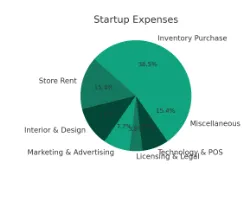
•Startup costs (rent, equipment, legal fees)
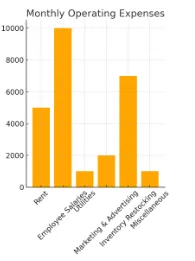
•Operating costs/expenses (wages, inventory, taxes, insurance)
•Income statement — income/expenses for a period
•Cash flow statement — cash in/out for a period
•Breakeven analysis — when you’ll become profitable
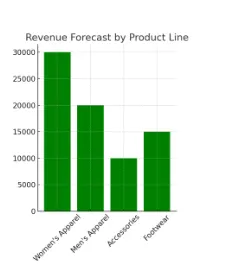
Provide financial forecasts and assumptions about the market, sales, expenses.
The operational plan outlines daily operations like hiring/training staff, setting up POS systems. Discuss:
•Store departments (sales, inventory, customer service) and responsibilities
•Policies ensuring quality service and inventory management
•Costs (rent, utilities, wages) and how you’ll minimize them
Analyze risks (cost of goods, customer demand), likelihood of occurrence, and plans to mitigate them. Consider potential costs and strategies to minimize risks like choosing a busy mall location. Discuss protecting from theft/fraud. Include a risk management section assessing all risks and proposed solutions. This reassures investors you can handle challenges.
Discuss how you’ll eventually exit the business, e.g. selling to another retailer or moving on to new ventures. Plan how you’ll structure the sale, manage customer service/inventory during transition, and employee compensation/severance. Although difficult, planning your exit strategy helps ensure its success.
Need a Clothing Retail Business Plan?
Create a custom business plan with financial projections and market research in minutes with ProAI’s business plan generator.
Here are some frequently asked questions about writing a clothing retail business plan:
Q: How long should a business plan be?
A: A clothing retail business plan should be 15–30 pages. Keep the executive summary around 2 pages. Be concise yet compelling.
Q: Do I need professional help to write a business plan?
A: You can write a business plan yourself but consider hiring a consultant or business plan writer. They provide an objective perspective and help ensure you address important issues. They can also help make your plan as compelling as possible for investors.
Q: How often should I update my business plan?
A: Review and revise your business plan periodically, ideally every 6–12 months. Key things to update include financial projections, costs, risks, opportunities, and market conditions. Make sure your plan continues reflecting your business’s actual progress and growth.
Q: What software can I use to write a business plan?
A: Useful business plan software includes:
•LivePlan — Web-based, good for beginners. Offers step-by-step guidance.
•Business Plan Pro — Popular, easy to use with useful financial forecasting tools.
•PlanGuru — Especially useful for established businesses. Robust financial planning and forecasting functionality.
•Bizplan — Streamlined interface, useful for basic business plans. Free trial available.
•Word or Google Docs — Simple yet effective. Make a thorough outline to keep yourself on track. Include headings and formatting to make the plan visually compelling and easy to read.
Does this sound like an improvement? Let me know if you would like me to clarify or expand my answer in any way. I’m happy to revise this further.