15 Minutes Read
Creating A Winning Business Model
We see many entrepreneurs come to us with brilliant ideas an inventions, but the business model is lacking in some…

Last Updated: 12/17/2023
Are you ready to pursue your dream of launching your own custom quilt artist business? As a lifelong quilter or someone newly inspired, creating a comprehensive business plan is key. A custom quilt artist business plan helps map the steps to start your business, including products, services, target customers, financing, and marketing. Read on for everything needed to write a custom quilt artist business plan, along with samples and tips.
A custom quilt artist business plan is crucial for success in 2023. Without a solid plan, funding and managing the business may prove difficult. A well-crafted plan clearly defines business goals and the roadmap to achieve them. It also allows researching the current market to identify threats and opportunities. With a comprehensive plan, you’ll have the tools to make your custom quilt artist business thrive.
Need a Custom Quilt Artist Business Plan?
Create a custom business plan with financial projections and market research in minutes with ProAI’s business plan generator.
A custom quilt artist business plan is essential for any quilter starting a business. It outlines objectives, strategies, and action plans to achieve desired results. A good plan should be comprehensive, including an executive summary, company description, market analysis, marketing plan, and financial analysis.
When writing a custom quilt artist business plan, include:
An executive summary introduces the plan and summarizes the concept. It should attract readers and draw them in. Elements include:
– Mission statement
– Description of the proposed concept
– Execution of the concept
– Overview of potential costs
– Expected return on investment
An executive summary is crucial for securing funding. Rather than reading the entire plan, investors can read the summary to get the key points.
Introduce the name, location, contact details, and background of the custom quilt artist. Describe experience, education, short and long-term goals, understanding of market trends, and legal standing.
Divide the market analysis into three parts:
Explain the custom quilt artist industry and target demographics. Discuss why customers will choose your services.
Research the competition to highlight how your services differ in price, design, and offerings. Explain to investors how you stand out.
Describe how your marketing campaigns will reach and engage target customers in ways that differ from the competition. Discuss the strategies for securing customers.
Your quilting style sets you apart and defines your unique approach. Share your style, materials, techniques, and finishes in a portfolio of your work. Explain how you bring a unique quilting approach and why your business will succeed.
Identify your target market, including age, interests, gender, location, and other details. See what similar artists do to find your base. Create a marketing plan based on how your market uses media. Develop a customer profile to determine what quilts they want. Consider a loyalty program with discounts and incentives for repeat customers. Knowing your target market and reaching them is key.
Choose a business model: custom orders crafted to fit customer needs or quilts marketed to customers. For custom orders, consider managing workflow, customer communication, order tracking, feedback, and satisfaction. For ready-made quilts, consider marketing, promotion, pricing, differentiation, and reaching potential customers. Include your model in the plan.
Reach your target audience through social media like Instagram, Facebook, and YouTube. Showcase quilts and introduce your business. Ask for reviews and feature customer stories. Partner with fabric stores, quilt guilds, or online stores. Invest in Facebook, Google, and search engine ads to increase website traffic and sales.
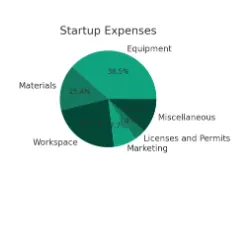
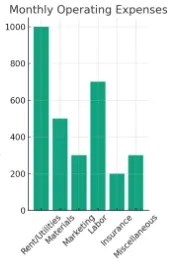
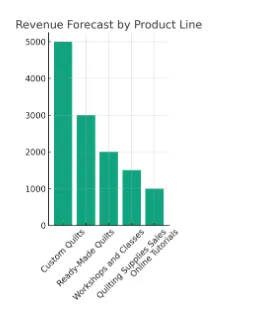
Understand your financial plan, including startup costs, operating costs, and expected revenue. Estimate the costs of supplies, space, marketing, advertising, and unexpected expenses for the first year. Estimate revenue from the number and cost of quilts sold, factoring in return policies. Plan costs and revenue for the next five years so investors know what to expect.
An action plan ensures success. Create a timeline for researching the market, acquiring materials, and equipment. Use time blocking to break down activities for reaching goals. Develop a marketing plan to research your target market, reach them, and measure success. Include a budget to track progress and goals.
Consider risks like financial risk from custom orders, customer dissatisfaction, and other impacts. Set order size limits or have resources to cover unexpected costs. Have a clear return and exchange policy to include in your plan. Be open and honest about timelines and quality. Address other risks and plan accordingly.
Need a Custom Quilt Artist Business Plan?
Create a custom business plan with financial projections and market research in minutes with ProAI’s business plan generator.