15 Minutes Read
Creating A Winning Business Model
We see many entrepreneurs come to us with brilliant ideas an inventions, but the business model is lacking in some…


Last Updated: 12/17/2023
Data loss is a major concern for businesses of all sizes, and having a solid data recovery plan in place is essential. Writing and maintaining an effective data recovery business plan is critical for any organization that provides data recovery services, and can help minimize the risk of data loss while maximizing success. In this article, we’ll discuss what a data recovery business plan is, why it’s important, and provide some tips on how to write an effective plan in 2023.
A data recovery business plan is crucial for the success of any data recovery services provider. Without a well-thought-out plan, staying on track and anticipating challenges can be difficult. A data recovery business plan helps identify goals, track progress, ensure profitability and allows you to identify risks, allocate resources, develop growth strategies. It also helps set objectives and measure success, identifying areas for improvement. Furthermore, a data recovery business plan is essential for convincing potential investors and lenders to finance your business. Writing a data recovery business plan is challenging but essential for success.
Need a Data Recovery Business Plan?
Create a custom business plan with financial projections and market research in minutes with ProAI’s business plan generator.
A data recovery business plan outlines goals, objectives, and how to achieve them, measuring success. It’s essential for data recovery business success. When creating a data recovery business plan, include:
The executive summary introduces your business plan and summarizes your idea. It should draw in readers and include:
– Mission statement
– Proposed concept
– Execution
– Potential costs
– Expected return on investment
– Data recovery’s importance and impact
The executive summary allows investors to quickly understand your idea and potential returns.
Introduce your company by including the name, location, owner details and experience. Describe services, target market, competitive advantages, short and long-term goals, strategies to achieve them and market analysis. Discuss potential pitfalls affecting the business.
– Discuss the market size and opportunities, specifically underserved areas and how you’ll capitalize on them.
– Identify target audiences, their needs and how you’ll meet them.
– Research competitors and compare your services. Discuss competitive advantages.
– Explain your pricing strategy and how you’ll remain competitive.
Outline specific services for your target market that differentiate you. If targeting the public, discuss on-site/remote service options and whether you’ll focus on data recovery, backup, storage or all. If targeting businesses, discuss on-site/remote service options and whether you’ll focus on data recovery, backup, storage or all. Services should meet customer needs. Carefully consider services to create a comprehensive plan and pitch to investors.
Technology is critical for data recovery business success. Research and invest in effective data recovery software and hardware. Learn data recovery protocols and practices. Look for ways to automate processes and save time. Invest in authentication, encryption and backup software to protect data. Stay up-to-date with trends to provide high quality service.
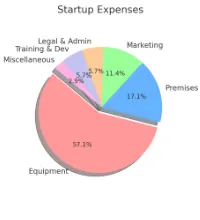
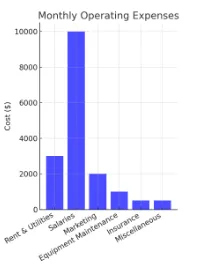
Your financial plan should outline capital, how it will be used and repaid. Factor in equipment, software and service costs. Include a break-even analysis and cash flow projection with one-time startup costs, monthly operating costs and anticipated future expenses. Adjust spending as needed. Include a marketing budget to reach new customers and increase profits.
A risk management plan helps protect you, your business and investors. Consider risks like data loss, corruption, attacks and downtime. Discuss safeguards like encryption and backup. Have a data breach response plan. Develop strategies for disasters e.g. backup power, redundant systems and restoring lost data. A risk management plan shows investors potential risks and your solutions.
Your operations plan outlines daily operations and processes to run your business. Include employee numbers, equipment needs and data security like encryption, backup and disaster recovery. Discuss customer service via communication methods, complaint handling and other processes. Explain managing incoming data e.g. verifying, storing and protecting data.
Your staffing plan depends on your business size and cases. You may need IT technicians and an office manager. The more cases, the more staff you need. Consider outsourcing or hiring freelancers if needed. Factor in costs for wages, benefits and training. Plan for contingencies like hiring more staff if demand increases.
Your marketing plan focuses on your target market and how to reach them. Develop a budget for marketing materials and promotions. Create a timeline with specific goals and objectives, giving you an idea of resources and time needed for success. Use technology and data to track campaigns and make adjustments.
Your implementation plan should include a timeline, budget and information for success. The timeline outlines steps to launch and grow your business, including marketing start, service launch and other dates. Develop a budget covering software, hardware and other resource costs. Consider risks and mitigation strategies like backup systems and emergency planning. An implementation plan allows you to launch with confidence.
Need a Data Recovery Business Plan?
Create a custom business plan with financial projections and market research in minutes with ProAI’s business plan generator.