15 Minutes Read
Creating A Winning Business Model
We see many entrepreneurs come to us with brilliant ideas an inventions, but the business model is lacking in some…

Last Updated: 12/17/2023
Direct mail marketing is an effective tool for reaching potential customers and boosting sales. However, without meticulous planning, your campaigns could be doomed to fail. A direct mail business plan provides the framework you need to turn your ideas into reality. It guides you in planning and forecasting all elements of your direct mail campaigns, from target audience to budget to design and more. In this article, we’ll cover everything you need to know about writing a direct mail business plan, along with tips and samples.
A direct mail business plan is essential for any business utilizing direct mail to reach customers. It maps out the marketing and sales activities you intend to pursue and how you will measure success. It is also key to forecasting return on investment for direct mail campaigns. Without a business plan, you may end up spending money on campaigns that don’t reach your target audience or generate revenue. A good business plan should analyze the target market, overview the competitive landscape, and plan to manage customer relationships. With a well-made business plan, you can ensure direct mail campaigns are as effective and profitable as possible.
Need a Direct Mail Business Plan?
Create a custom business plan with financial projections and market research in minutes with ProAI’s business plan generator.
Writing a direct mail business plan can seem daunting. To simplify things, here are the main components of a successful direct mail business plan. Depending on the audience, you can adjust the order of sections to prioritize information.
Here are the key elements of a direct mail business plan:
– Executive Summary
– Company Description
– Market Analysis
– Target Audience
– Mailing List
– Mailing Materials
– Message Strategy
– Budget
– Analytics
– Competitor Analysis
– Financial Analysis
The executive summary should always begin any direct mail business plan. This section should be concise and provide a brief overview of the main points of the business plan. It’s important to include the mission statement, proposed concept, execution plan, potential costs, and expected return on investment in the executive summary.
The mission statement should be specific and concise, explaining the direct mail business plan’s purpose. It should include the goals the business aims to achieve and how. The proposed concept should explain the type of direct mail business plan developed, the target market, and intended audience.
The execution plan should detail how the business will execute the plans, including resources used, timeline for implementation, and budget.
The executive summary should also briefly overview potential costs associated with the direct mail business plan, like materials, labor, and other expenses.
Finally, the executive summary should include the expected ROI. This could include potential profits expected and any risks associated with the direct mail business plan.
This section fully introduces your company in the direct mail business plan. Start with the purpose, main services/products, and target audience. Outline any existing customer base and competitive advantages.
The second part should explain the legal structure, like sole proprietorship, partnership, or corporation. Include owner names, key player names, and their roles. The third part should provide a brief market study showing you understand trends in the direct mail industry and why your business will succeed.
Before creating an effective direct mail campaign, you must understand your target market — who they are, their problems, needs, etc. To create a successful direct mail campaign, you need to understand your target market’s unique needs and how best to address them.
Once you’ve identified your target market, segment it into smaller groups by age, gender, location, income, or other characteristics affecting purchasing decisions. Market segmentation helps create personalized direct mail campaigns that will be more effective.
Understanding the competition is important when planning a direct mail campaign. See what other businesses in your industry do to reach their target market. What works and doesn’t work for them? Understanding your competition will help you create an effective direct mail campaign strategy.
To create an effective direct mail business plan, you must deeply understand your target audience — who they are, where they live, ages, interests, etc. Knowing this will help you craft the right message and design for your direct mail campaigns.
You should also research local demographics for your target area. Are there any population trends or changes you should know? This can help determine how best to target your audience.
Finally, identify the people most likely to respond to your direct mail, like those already expressing interest in your product/service and willing to purchase. Knowing your target audience will enable you to create the most effective direct mail campaigns.
While digital marketing is popular, direct mail is still great for reaching potential customers. To get the most from your direct mail campaign, build an effective mailing list. Gather names and contact info from current customers and consider purchasing a list from a broker. Depending on your budget, you may also want to target potential customers.
Once you have your list, consider the mailing piece design. Take time to create an appealing, effective piece with a clear call-to-action creating urgency to encourage a response.
Finally, use mailing list data to track your direct mail campaigns. This allows you to measure effectiveness and determine what strategies work best.
A direct mail business plan should include a detailed budget for mailing materials like mail pieces, address labels, postcards, envelopes, stamps, etc.
You should also include estimated costs for materials like paper, ink, postage. If using a mailing house or vendor, include those costs.
If offering promo items with mailings like coupons or samples, include those costs. Also consider additional costs to produce promo items like printing and packaging.
Finally, consider any mailing list rental fee costs. This budget should be comprehensive, covering all anticipated costs for each mailing.
Your direct mail business plan should include a detailed message strategy with the message sent to potential customers and call-to-action.
For the message, focus on your product/service’s value proposition. Keep it brief but provide enough info to interest the potential customer. Also include a call-to-action like “call now” or “visit our website.”
Your message strategy should also include the medium used to send direct mail like postcards, letters, or email. Each has advantages and disadvantages to consider.
Finally, consider how often you’ll send direct mail. Send enough for the desired response rate but not so much that it overwhelms potential customers.
The budget is an essential part of a successful direct mail business plan. You should include estimates for materials and services to produce the mailer like printing, postage, list-building, mailing services, etc.
You should also consider the cost of creative elements for your mailer like design, copywriting, photography, etc. Remember to factor in your time as well when budgeting for these.
Finally, determine a realistic budget for your direct mail campaign. Factor in both initial and follow-up mailing costs to reach your target audience. This helps determine how much to invest to reach your target audience.
Now that you’ve created your direct mail campaign, you need to measure success. In a direct mail plan, consider metrics like open rate, click-through rate, and response rate.
You’ll also want to track direct mail cost versus revenue to determine profitability.
Consider using an analytics tool like Google Analytics or Hotjar to collect data and track metrics. You can also use surveys and questionnaires for customer feedback on your campaign. This information can then be used to adjust your campaign and improve performance.
Whether sending postcards, flyers, or letters, always be aware of competitors. Conducting a competitor analysis helps understand the market and opportunities available.
Start by researching competitors, their offers, and methods you could use. Knowing competitors and strategies helps create an effective marketing plan.
Your analysis should also understand how competitors use direct mail, like campaign types, response rates, frequency, etc. This helps develop your strategies for when to send mailers, messages to use, and frequency.
By understanding the direct mail industry and competitors, you can create a comprehensive, effective direct mail business plan.
Financial analysis is critical for any business plan, not just for investors but for you too. You need to know how much you’re spending and making.
Start by creating a detailed budget for your direct mail campaign including printing, postage, mailing list costs, etc. Include any other costs you can think of.
Develop short- and long-term forecasts for your direct mail campaign. This helps determine potential ROI. Factor in variables like seasonality, target audience, market trends, etc.
Finally, include a breakeven analysis showing where you’ll start making a profit, especially helpful when growing your business.
Need a Direct Mail Business Plan?
Create a custom business plan with financial projections and market research in minutes with ProAI’s business plan generator.
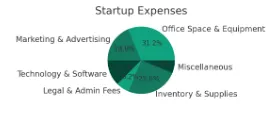
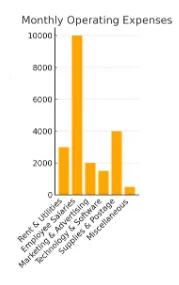

How much does it cost to start a direct mail business?
The cost to start a direct mail business can vary significantly depending on factors like:
● Size and scope of your campaigns: The more mailers you send and the larger your target audience, the higher your costs.
● Design and content creation: If you hire designers and copywriters, costs will be higher than doing it yourself. Printing high-quality mailers with lots of color.