15 Minutes Read
Creating A Winning Business Model
We see many entrepreneurs come to us with brilliant ideas an inventions, but the business model is lacking in some…

Last Updated: 12/17/2023
The event planning industry has become increasingly competitive as more people look to take advantage of the unique and creative services offered by event planners. As a result, having a comprehensive business plan is essential to ensuring the success of your event planning business. A well-crafted plan can help you secure financing and provide a roadmap for growing your business. In this article, we will give you a step-by-step guide on writing an event planning business plan in 2023. We will cover the key parts of a business plan, including the executive summary, market analysis, competitive analysis, and financial projections. We will also provide tips and sample plans to help get you started.
A solid business plan is crucial for any new event planning business. It gives your company the resources and direction it needs to succeed. A good plan can help you get funding from investors and map out how to grow your business. It will also help you spot market opportunities, anticipate challenges, and develop strategies to address them. A comprehensive plan can also help you create clear pricing and marketing strategies, develop ways to train and manage employees. An event planning business plan is essential for any successful event planning company.
Need a Event Planning Business Plan?
Create a custom business plan with financial projections and market research in minutes with ProAI’s business plan generator.
Writing an event planning business plan can be daunting. To help you get started, here are the key parts you need to include:
The executive summary is one of the most important parts of an event planning business plan. It introduces your plan by summarizing the main points and giving an overview of your business. A good executive summary should grab the reader’s attention while providing the key information they need to understand your business’s scope and vision.
Common parts of an executive summary include:
• Your mission statement
• Your business concept
• How you will execute your concept
• Potential costs
• Expected return on investment
• Market analysis
• Services offered
• Competitive analysis
Your executive summary should be concise yet comprehensive, giving a clear snapshot of your event planning business. It should be the first thing investors and lenders read, so make sure it stands out.
The company description section of your plan should give a detailed overview of your business. This includes your business’s name, location, and contact information. You should also briefly describe the services you offer and the owner’s experience.
The second part of the company description should outline your business’s legal structure and short- and long-term goals. You should also include a short market analysis showing you understand trends in the event planning industry and why your business is positioned to succeed. Additionally, summarize your competitive edge, like any specialized services you offer or unique features of your business.
The market analysis section of an event planning business plan typically has three parts:
Industry Analysis: Give an overview of the event planning industry and discuss current trends. Also analyze available market opportunities and explain why they fit your business.
Competition Analysis: Provide an in-depth analysis of your competitors and how they market themselves. This will help you see how to differentiate yourself.
Marketing Analysis: Explain how you will market your event planning business. What strategies and tactics will you use to reach your target audience? How will you stand out from the competition? Answer these questions in this section.
In the event planning services section of your plan, list the services you offer in detail. Include any specialty services as well as general event planning services.
Also briefly describe each service and its pricing. This will show potential investors and lenders the scope of your business and your pricing strategy. Additionally, include any partnerships or affiliations with other businesses or organizations that could benefit your event planning business.
Your target market is an important part of any event planning business plan. In this section, explain who your ideal customer is and why they would likely use your services. Also provide a detailed profile of your target market, including their demographics, behaviors, interests, and other relevant information.
Explain how you will reach your target market. What strategies and tactics will you use to connect with them? Additionally, include any research on market size and trends. This will help investors understand your business’s potential and likelihood of success.
The competitive analysis section of your plan is key to showing you understand the industry and how your business fits in. Provide a detailed analysis of your competition and how they market themselves. This will help you see how to differentiate yourself.
Include a comprehensive overview of your competitors, their services, pricing, and marketing strategies. Also analyze each competitor’s strengths, weaknesses, risks, and opportunities. Understanding what your competitors are doing and how they position themselves will help you develop an effective strategy to succeed.
The financial plan is a crucial part of your event planning business plan. It gives a detailed overview of your projected income and expenses and outlines how you will finance your business.
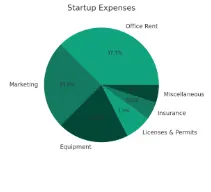
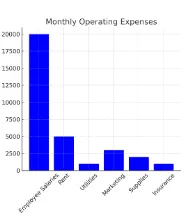
This section should include estimates of your startup costs and detailed projections of your income and expenses for the next three to five years. Your financial plan should have an income statement, balance sheet, cash flow statement, and any other relevant financial information. It should also include detailed budgets for marketing, staffing, and other expenses. Additionally, provide a breakeven analysis showing investors when your business expects to breakeven and become profitable.
Your marketing plan is crucial to any successful event planning business. In this section, outline the strategies and tactics you will use to reach your target market and build your brand. Your marketing plan should provide details on how you will position your business and reach your target market to generate leads.
Include a comprehensive overview of your target market and competitors. Also outline the specific tactics you will use, like digital marketing, social media, advertising, and events. Provide a timeline of milestones and deadlines as well as a budget to ensure your marketing plan is achievable and effective.
The operational plan section of your plan should clearly outline how you will run your business, from daily tasks to larger goals.
Include information such as your staff’s roles and responsibilities, the systems and processes you will use, equipment and technology you will need, and required resources. Also include a timeline for implementing your operational plan.
A detailed operational plan will help you spot potential problems before they happen and develop strategies to address them. This will ensure your event planning business’s success.
A risk analysis is an important part of any event planning business plan. Here, outline the potential risks of starting and running a business in the event planning industry. This includes factors like market changes, competition, and operational issues. Explain how you will mitigate those risks and handle them if they arise.
Be honest and realistic about your business’s potential risks. This will give investors an accurate picture of the risks they are taking. A risk analysis will also provide a framework to evaluate and manage risks, ensuring you take steps to protect your business and investments.
An exit strategy is a plan for how you will exit your business when the time comes. Include an exit strategy in your event planning business plan, even if you do not plan to sell soon. Having a strategy prepared will ensure you are ready for whatever the future brings.
Your exit strategy should include a plan to sell your business and handle tax and legal matters. Consider how you will address any liabilities and debts, and how long the process may take. Finally, outline any contingency plans in case the sale does not go as planned.
Need a Event Planning Business Plan?
Create a custom business plan with financial projections and market research in minutes with ProAI’s business plan generator.
Why do I need a business plan for my event planning company?
A business plan is essential for any new company. It helps you:
• Clarify your vision and mission.
• Outline strategies to reach your goals.
• Identify risks and anticipate challenges.
• Secure financing from investors and lenders.
• Map out how to manage day-to-day operations.
How long should an event planning business plan be?
There is no standard length for a business plan, but most are 15 to 30 pages. Your plan should be comprehensive but concise. Include all the key parts like the executive summary, company description, market analysis, and financial plan without unnecessary details.
Do I need experience as an event planner to start my own business?
Experience as an event planner is helpful but not always required to start your own event planning company. More important are soft skills like organization, communication, problem-solving, and customer service. You can gain experience by interning with a planner, volunteering to help with events, and getting certifications. Starting small by focusing on a specific niche or type of event is also a good way to gain experience.
What certifications or education do I need?
Certifications and education are not legally required to become an event planner but can be helpful. Some options include:
• Certified Special Events Professional (CSEP) certification. This is the event industry’s top credential.
• Wedding planning certification from an organization like the American Association of Certified Wedding Planners.