
15 Minutes Read
Creating A Winning Business Model
We see many entrepreneurs come to us with brilliant ideas an inventions, but the business model is lacking in some…


Last Updated: 12/17/2023
Have you been thinking about starting your own animal rescue? Fantastic! Helping our furry (and feathered!) Friends in need is such a rewarding thing to do. But it’s also a big responsibility — you want to make sure you do it right.
Let me walk you through the key steps so you can make your dream of running an animal rescue into a reality!
First things first — get crystal clear on exactly what you want to achieve. Do you want to focus on rescuing dogs, cats, wildlife, farm animals? Make sure your mission is sharply defined. Set some tangible goals too — how many animals do you want to help each year? In what area? This clarity will guide all your decisions down the road.
Need a Animal Rescue Business Plan?
Create a custom business plan with financial projections and market research in minutes with ProAI’s business plan generator.
Now it’s time to put on your detective hat and sleuth out the lay of the land. What other rescues are operating locally? What communities have the greatest need? Gather intel to shape your strategy. Learn from seasoned rescues about challenges they face. Research is the key to creating the right game plan.
There are a few options here — nonprofit, for-profit, LLC. Consult with advisors to select the best legal structure for your goals. Nonprofit status has lots of benefits but also oversight requirements. Make sure you understand the pros and cons of each.
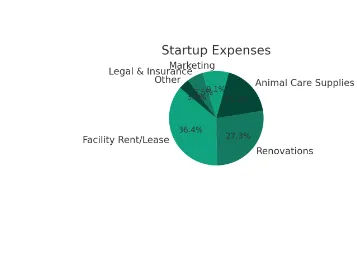
Every good adventure needs a map! Plot out all the elements to bring your rescue to life. Outline your mission, marketing plan, startup budget, operating costs, fundraising strategy — all the nitty gritty details. This will be your roadmap for success.
Register your business and get the required licenses for your area. There are often regulations about safety, sanitation, zoning, etc — especially if animals will be on site. Do your homework to make sure you comply with local laws. Dot those i’s and cross those t’s!
Who will help make your dream team? Vets, animal caregivers, adoption coordinators, admin staff all play key roles. Find folks as passionate as you are about your mission. Bonus points if they have experience in animal welfare.
Find a space meets the needs of the animals in your care. Make sure it has proper ventilation, enough room to move, outdoor access if needed, separation if aggressive animals are involved. Their wellbeing has to be priority #1.
A solid adoption process ensures animals find their forever homes. Require applications, do background checks and interviews, follow up after adoption. Take the time to make the right match between pet and parent.
Rescues operate on lean budgets. You’ll need to fundraise constantly through donor campaigns, events, crowdfunding, grants. Get creative! Build a community of supporters as passionate about your mission as you are.
Marketing is critical for reaching potential adopters and volunteers. Share your story far and wide on social media. Attend community events. Partner with local businesses. Promote your mission every chance you get!
And those are the 10 key steps to launching your own animal rescue! It will take plenty of passion and hard work — but how rewarding to be able to expand your lifesaving impact. Wishing you tremendous success on your journey to help more furry friends find their happy tails! Let me know if you have any other questions.
Need a Animal Rescue Business Plan?
Create a custom business plan with financial projections and market research in minutes with ProAI’s business plan generator.


Q1: What qualifications do I need to start an animal rescue business?
A: While formal qualifications aren’t mandatory, having experience or training in animal care, rescue, or veterinary medicine can be incredibly valuable. Equally important is a genuine passion for animal welfare and the determination to make a positive impact on their lives.
Q2: Can I start an animal rescue business from my home?
A: Starting a small-scale rescue operation from your home is possible, but it depends on local regulations and the number of animals you can accommodate safely. Always check with your local authorities and ensure your property meets the necessary standards for animal welfare.
Q3: How much funding do I need to start an animal rescue business?
A: The funding required varies based on the scale of your operation and the services you plan to offer. Costs may include shelter facilities, medical expenses, staff salaries, and administrative fees. Creating a detailed business plan will help you estimate the necessary funds.
Q4: Should I consider starting a nonprofit or for-profit animal rescue business?
A: The decision between a nonprofit and for-profit structure depends on your goals. Nonprofits are typically eligible for tax exemptions and may attract more donors, while for-profit ventures have more flexibility in generating revenue. Choose the structure that aligns best with your mission and long-term vision.
Q5: How do I find suitable adoptive homes for rescued animals?
A: Developing a comprehensive adoption process is crucial. Create an application form, conduct background checks and interviews, and consider home visits to ensure the potential adopters are committed to providing a loving and safe environment for the animals.
Q6: How can I raise funds for my animal rescue business?
A: Fundraising is essential for sustaining your rescue efforts. You can organize events, seek donations from individuals or businesses, set up crowdfunding campaigns, and engage with the community to raise awareness and support for your cause.
Q7: Can I rely solely on volunteers, or do I need paid staff?
A: Volunteers play a vital role in animal rescue businesses, and many successful organizations rely heavily on them. However, depending on the size and complexity of your operation, you might need some paid staff members, particularly for specialized roles like veterinary care or administration.
Q8: What are some effective marketing strategies for promoting my animal rescue business?
A: Social media platforms are powerful tools for reaching a broader audience and showcasing your rescue efforts. Additionally, participating in community events, collaborating with other animal welfare organizations, and establishing partnerships with local businesses can enhance your visibility and outreach.
Q9: How can I ensure the safety and well-being of the rescued animals?
A: Providing a safe and nurturing environment is paramount. Regular veterinary care, proper nutrition, enrichment activities, and appropriate shelter conditions are essential for ensuring the well-being of the animals in your care.
Q10: How do I handle emergencies or urgent situations involving animals?
A: Being prepared for emergencies is crucial. Create a protocol for handling urgent situations, including medical emergencies, natural disasters, or rescuing animals from dangerous situations. Have a contact list of veterinarians and emergency services to assist when needed.