
15 Minutes Read
Creating A Winning Business Model
We see many entrepreneurs come to us with brilliant ideas an inventions, but the business model is lacking in some…


Last Updated: 12/17/2023
If you have a deep appreciation for art and a desire to enable creative expression, opening an art supply store might be the perfect venture for you. The demand for quality art materials continues to rise across generations. An art supply business allows you to immerse yourself in this vibrant world and make a living by fueling creativity.
While launching any small business requires passion and diligence, following some fundamental steps can set you on the path to success. Let’s explore the key ingredients for stirring up an art supply store that will thrive in today’s landscape.
Envision what you want your art supply store to represent. Are you seeking to offer specialty supplies that inspire fine art? Or provide affordable basics for casual hobbyists? Defining your niche and ideal customer is the first stroke.
Next, decide whether you want a physical store, online presence, or both. A brick-and-mortar location allows for an engaging in-person shopping experience. An online store grants you access to a wider reach. Many successful art supply businesses opt for an omni-channel approach.
Conduct in-depth market research to truly understand your audience. Reach out to fellow artists, creative businesses, schools, and community groups to learn about their needs. Familiarize yourself with current trends, including medium preferences and spending habits. These insights will inform your inventory, pricing, and customer service approach.
Need a Art Supply Store Business Plan?
Create a custom business plan with financial projections and market research in minutes with ProAI’s business plan generator.
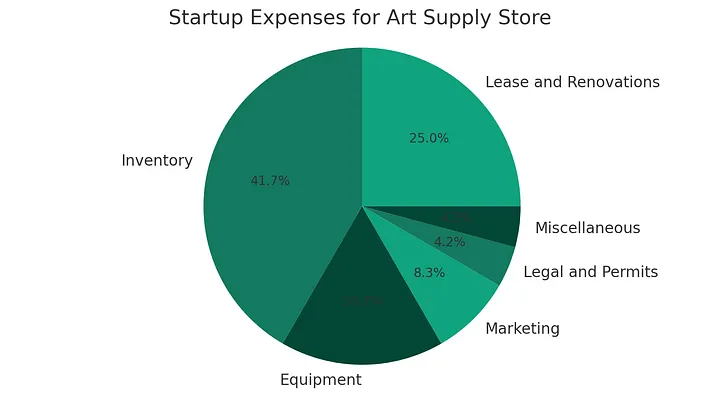
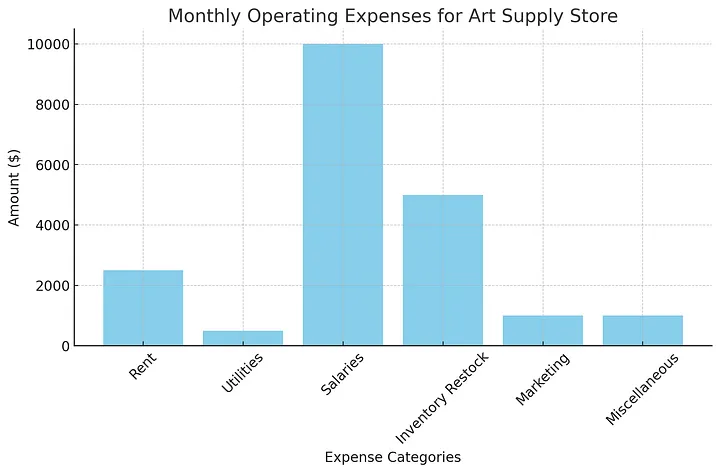
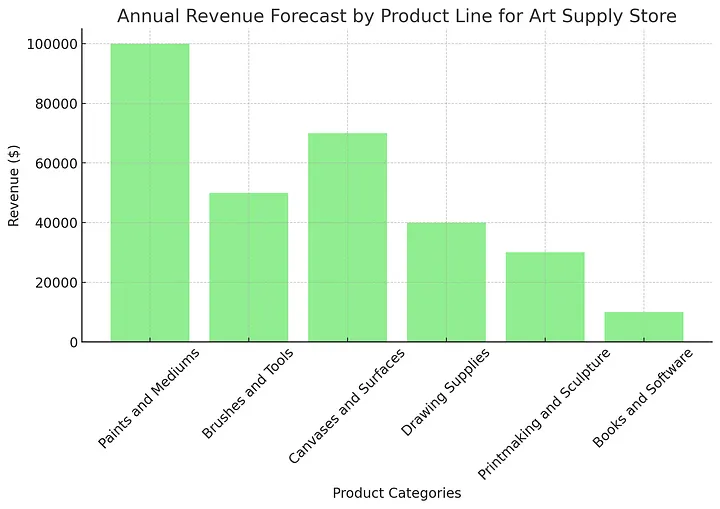
Every painting starts with a sketch. Drafting a comprehensive business plan provides a framework to make your art supply store vision a reality. Define your startup and operational costs, inventory budget, marketing plan, revenue goals, and long-term strategy. Outline the capital you need and how you will obtain it. Refer back to this plan as your guide.
Don’t forget the essential logistical steps for getting your business off the ground. Choose and register your store’s legal name and structure. Apply for necessary permits and licenses. Open a separate business bank account and get accounting software. While these tasks may seem tedious, properly setting up the backbone of your store is crucial.
At the heart of every great art supply store is an expertly curated selection of products. Seek out reputable brands and wholesale suppliers known for quality. Opt for variety to meet diverse artistic needs. Keep up with the latest tools and mediums. Display products creatively to inspire customers as they shop.
For a physical storefront, design an aesthetically pleasing and functional space. Organize products logically, incorporate visual elements to set the artistic mood, and ensure aisles are clear and lighting is optimal. For e-commerce, choose a user-friendly platform that allows for an engaging online shopping experience.
Implement multifaceted marketing and advertising strategies to introduce your store to local artists and reach new audiences. Leverage social media and collaborations to build organic word-of-mouth interest. Run targeted digital and print promotions. Sponsor classes or events that align with your brand. Excellent customer service and community involvement will also boost your visibility.
Building lasting relationships with customers must be a priority. Train staff to provide informed, friendly assistance. Offer perks like loyalty programs to show appreciation for regular shoppers. Actively seek feedback and aim to address concerns quickly. When customers feel valued, they will eagerly promote your store to the creative community.
Continuously track sales and monitor industry shifts to keep your business relevant. Watch for hot new mediums gaining popularity or fading trends to adjust your inventory mix accordingly. Refine your product selection and marketing over time based on customer data. Staying nimble as the market evolves will ensure your art supply store remains a destination for years to come.
With passion, commitment and strategic planning, you can undoubtedly tap into the growing art supply market. Let your entrepreneurial spirit shine through a store that fuels creativity and makes art more accessible. The canvas awaits your unique vision!
Need a Art Supply Store Business Plan?
Create a custom business plan with financial projections and market research in minutes with ProAI’s business plan generator.
Q1: Do I need to be an artist to start an art supply store?
A: While having a passion for art can be a significant advantage, you don’t need to be an artist yourself to start an art supply store. What matters most is your enthusiasm for art and creativity, as well as your dedication to providing quality supplies to fellow artists.
Q2: How much initial investment is required to start an art supply store?
A: The initial investment can vary depending on factors like the size of your store, location, and inventory size. On average, you should budget for sourcing inventory, securing a storefront (if applicable), marketing expenses, legal fees, and operational costs. Creating a detailed business plan will help you estimate the total investment required.
Q3: How can I find reliable art supply suppliers?
A: Researching and identifying reputable art supply suppliers is crucial for the success of your store. Attend industry trade shows, browse online directories, and read customer reviews to find established suppliers with a track record of delivering quality products. You can also network with other art store owners or artists to get recommendations.
Q4: Should I have a physical store, an online store, or both?
A: The decision to have a physical store, an online store, or both depends on your target audience and budget. Having a physical storefront can create a tangible shopping experience and allow you to connect with local artists. An online store expands your reach to a global audience and can be a cost-effective option. Consider starting with an online presence and then expanding to a physical location if feasible.
Q5: How can I effectively market my art supply store?
A: Embrace various marketing strategies to promote your art supply store. Utilize social media platforms like Instagram, Pinterest, and YouTube to showcase art creations, offer tutorials, and engage with potential customers. Collaborate with local artists and influencers to expand your reach. Traditional advertising methods like flyers and local events can also be effective in attracting customers.
Q6: Can I offer discounts or loyalty programs to customers?
A: Absolutely! Providing discounts, loyalty programs, or rewards to your customers is an excellent way to build customer loyalty and encourage repeat business. Consider offering special deals for bulk purchases or frequent shoppers to show your appreciation.
Q7: How can I stand out in the competitive art supply market?
A: Differentiate your art supply store by focusing on your unique selling proposition. This could be offering niche products, curating exclusive collections, providing exceptional customer service, or organizing workshops and events to engage the artistic community. Be attentive to customer feedback and continuously adapt your offerings to meet their needs.
Q8: Is it essential to have a website for my art supply store?
A: In today’s digital age, having an online presence is vital for any business. A website allows you to showcase your products, provide information about your store, and even offer online shopping for a broader customer base. An e-commerce platform enables customers to make purchases conveniently, making it an excellent addition to your brick-and-mortar store.
Q9: How can I ensure I am offering the right products for my target audience?
A: Thorough market research is the key to understanding your target audience’s preferences. Engage with artists, art schools, and creative communities to learn about their needs and the types of products they use most frequently. Keep track of industry trends and regularly update your inventory to cater to evolving demands.
Q10: What should I do if my art supply store isn’t performing as expected?
A: If you encounter challenges or your store isn’t performing as expected, don’t be discouraged. Analyze your sales data and customer feedback to identify areas for improvement. Be open to making necessary changes, such as adjusting your inventory or refining your marketing strategies. Persistence, adaptability, and a genuine passion for art will lead you toward success in the long run.