

FAQ — Starting an Assisted Living Facility Business
Q: What qualifications or experience do I need to start an Assisted Living Facility business?
A: While specific qualifications may vary based on local regulations, a background in healthcare or gerontology can be beneficial. However, a strong passion for providing compassionate care and a willingness to learn are equally important. Collaborating with experienced professionals and attending relevant workshops can enhance your knowledge and confidence in running an ALF.
Q: How much capital do I need to start an Assisted Living Facility business?
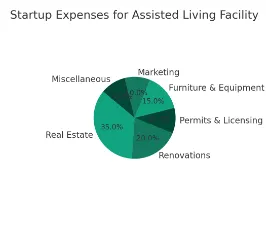
A: The capital required to start an ALF can vary widely depending on factors such as location, facility size, and services offered. Generally, you’ll need to budget for property acquisition or lease, facility renovation, staffing costs, licensing fees, insurance, and initial operational expenses. Creating a detailed business plan and consulting with financial advisors can help you determine a more accurate estimate.
Q: Is it necessary to have a medical staff on-site at all times in an Assisted Living Facility?
A: The staffing requirements for an ALF depend on local regulations and the needs of your residents. While having medical staff on-site 24/7 may not be mandatory, you should have sufficient qualified personnel to handle medical emergencies and assist with daily activities. Hiring licensed nurses and training staff in first aid and emergency response will contribute to providing a safe environment for residents.
Q: How can I market my Assisted Living Facility and attract potential residents?
A: Building a strong reputation is vital for attracting residents and their families. Create a user-friendly website that showcases your facility, staff, and services. Utilize social media platforms to share engaging content and testimonials from satisfied residents and families. Collaborate with local healthcare providers, senior centers, and community organizations to build referral networks. Hosting open house events can also allow prospective residents and their families to experience the warmth of your ALF firsthand.
Q: Can I include memory care services in my Assisted Living Facility?
A: Memory care services cater to individuals with dementia or Alzheimer’s disease. Depending on local regulations, you may be allowed to include memory care as part of your ALF’s services. However, memory care often involves specialized training and a secure environment to ensure residents’ safety. Check with local authorities and consider consulting with memory care experts to implement these services effectively.
Q: How can I ensure the happiness and well-being of residents in my Assisted Living Facility?
A: Creating a nurturing and engaging environment is essential for the well-being of your residents. Encourage socialization, plan meaningful activities, and maintain open communication with both residents and their families. Regularly seek feedback from residents to address their concerns and preferences. Fostering a sense of community and treating each resident with dignity and respect will contribute to their happiness and overall satisfaction.
Q: What are the main challenges I may face in running an Assisted Living Facility business?
A: Running an ALF comes with its share of challenges, such as ensuring compliance with regulatory requirements, recruiting and retaining qualified staff, and managing operational costs. Dealing with the emotional aspect of caring for seniors and handling family dynamics can also be demanding. Staying resilient, seeking support from industry peers, and continuously learning and adapting to changes will help you overcome these challenges and grow as a successful ALF operator.
Q: How do I ensure confidentiality and privacy for the residents in my Assisted Living Facility?
A: Respecting residents’ confidentiality and privacy is of utmost importance. Implement strict policies regarding the handling of personal information and medical records. Train staff on the importance of maintaining confidentiality and ensure that only authorized personnel have access to sensitive information. Creating private living spaces and common areas that respect residents’ personal boundaries will further protect their privacy.