15 Minutes Read
Creating A Winning Business Model
We see many entrepreneurs come to us with brilliant ideas an inventions, but the business model is lacking in some…


Last Updated: 12/17/2023
If helping others discover their professional purpose sounds rewarding, consider starting a career coaching business. With proper planning and dedication, you can launch a practice that makes an impact while earning sustainable income.
Pinpoint the specific groups you’re most passionate about serving. Executives navigating leadership transitions? Recent grads starting their first jobs? By identifying a target audience, you can tailor your services and marketing. Over time, your niche may evolve organically based on your interests and client experiences.
While formal training isn’t required, classes demonstrate you’re serious about offering quality coaching. Programs covering assessments, counseling strategies, resume writing, etc. build valuable skills. Credentials like Certified Career Coach also lend credibility with prospective clients.
Need a Career Coaching Business Plan?
Create a custom business plan with financial projections and market research in minutes with ProAI’s business plan generator.
A detailed business plan maps out your vision and strategy. Outline your objectives, ideal client profile, services offered, marketing tactics, projected expenses and revenue goals. Build in ample time to generate consistent income. Having a financial roadmap helps you budget wisely as you get started.
Determine your coaching philosophy and process. Will your style be more flexible or prescriptive? Which assessments and tools align with your values? Establishing methodology upfront ensures consistency across client engagements.
Your website, logo, and marketing materials convey professionalism and expertise. Invest time in developing a brand identity that resonates with your target audience and builds credibility. Leverage platforms like LinkedIn to network and market your services.
Decide your hourly fees or package rates based on experience, overheads, and industry benchmarks. Upfront deposits and defined payment schedules help avoid misunderstandings. Transparent rates and terms posted on your website or contract allow prospective clients to evaluate value.
Consult a lawyer when creating client agreements that outline your services, rates, billing practices, and policies around confidentiality, refunds, and more. Setting expectations proactively protects your business and clients if any issues emerge.
Launching requires dedication to self-promotion. Network in-person at local associations, give career-related talks, write guest blogs, partner with recruiters and schools, and run ads. Reach out to your existing contacts, too, to spread the word organically.
Online scheduling, video conferencing, email marketing, and client portals help streamline operations and scale your reach. With the right technology mix, you can coach more clients efficiently as a solopreneur.
Continually invest time in advancing your knowledge and skills through training, conferences, peer groups, and more. Staying abreast of the latest coaching techniques and career trends allows you to elevate your client impact over time.
Launching a solo career coaching practice requires significant effort, especially upfront. But guiding others to meaningful work can be tremendously fulfilling. With strategic preparation and dedication, you can turn your passion for coaching into a thriving business making a difference.
Need a Career Coaching Business Plan?
Create a custom business plan with financial projections and market research in minutes with ProAI’s business plan generator.
How long does it take to get a career coaching business up and running?
It usually takes at least 6–12 months to get an independent career coaching practice off the ground. It takes time to get proper training and certifications, establish your processes, develop marketing channels and build up a regular client base. Be prepared for it to take a year or more before your business is financially sustainable.
What are the costs involved in starting a career coaching business?
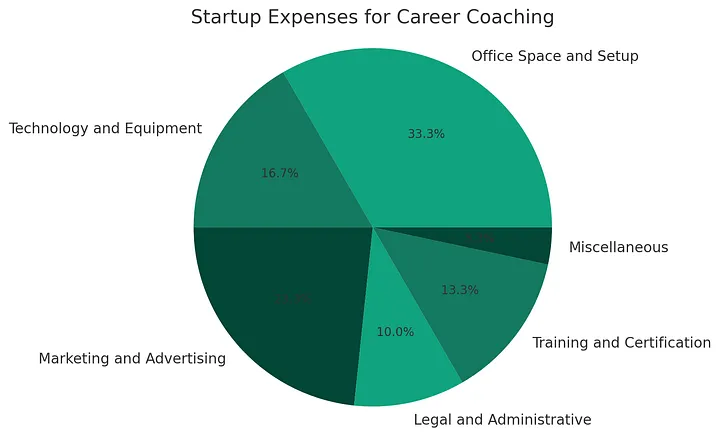
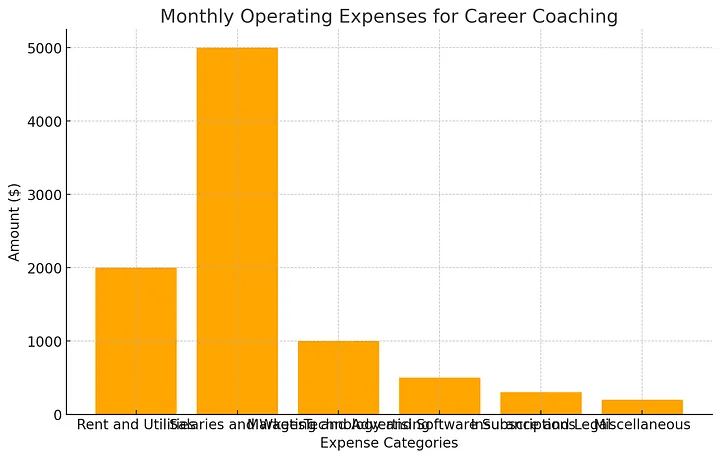
Initial costs may include training courses, certifications, website development, branding, marketing materials, office supplies, legal/insurance fees, and more. Budget for at least $5,000-$10,000 in start-up costs. Ongoing expenses will include liability insurance, marketing, professional development, subscriptions/tools, office space, etc.
Do I need a certification to become a career coach?
While there are no legal requirements, having a recognized certification like CCDP, GCDF or NCDA certification will give you credibility. Many clients will look for certifications when choosing a career coach. Ongoing training is highly recommended as well.
What marketing strategies work best for attracting coaching clients?
Networking, social media marketing, SEO optimization, speaking engagements, guest blogging, partnering with recruiters/colleges, and asking for referrals are some of the most effective marketing strategies for attracting career coaching clients.
How much do career coaches charge?
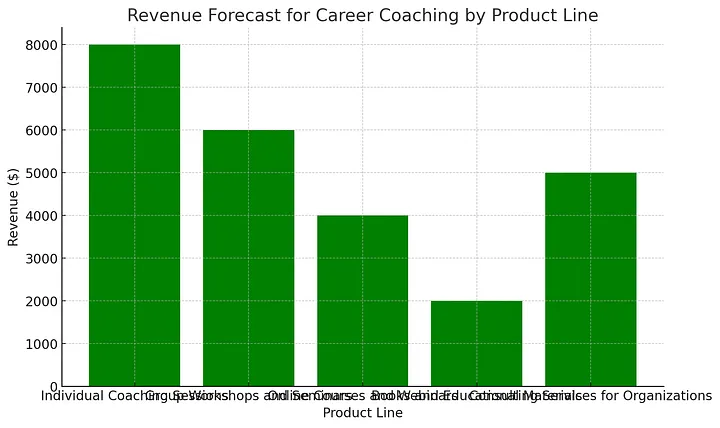
Career coaches typically charge $100-$250 per hour for individual clients, with executive coaching commanding even higher rates. Packages usually range from $800-$2500. Group workshops and self-study programs can also provide revenue streams. Set rates based on your experience level and target clientele.
What is the income potential as a career coach?
It varies widely but six-figure incomes are possible depending on your niche, credentials, experience level and business acumen. However, it takes 1–2 years to build a consistent client base and income stream. View it as a long-term investment.
What is the best part of owning a career coaching business?
The rewards of doing meaningful work and making a real impact in clients’ careers and lives. The flexibility to control your schedule and be your own boss. Achieving financial success in an industry you enjoy.