Frequently Asked Questions
What is a charter school?
A charter school is a publicly funded, independently operated school that has greater flexibility around curriculum, budget, staffing, and other operations. Charter schools function according to a “charter” or contract with a sponsor such as the state or school district. They are held accountable for academic results and risk closure if they fail to meet the terms of their charter.
Who can start a charter school?
Charter schools are often started by educators, community groups, non-profit organizations, or for-profit entities. The application process varies by state but generally requires detailed plans for every aspect of the proposed school, including curriculum, financial management, operations, and more. Strong applications demonstrate the team’s capacity to successfully operate a school.
How is a charter school funded?
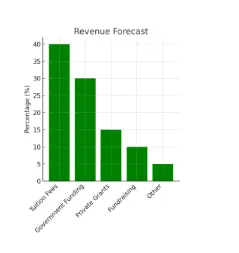
Charter schools receive public funding similar to traditional public schools. This generally comes from a mix of state funding based on student enrollment and federal grants. Charter schools sponsored by school districts may also receive funding from those districts. Charters may supplement public funding through grants and private donations.
What kind of approval and oversight is required?
Charter school applications must be approved by authorized chartering entities, often local school districts or state boards of education. If approved, charter schools are held accountable through periodic renewal of their charters, usually every 3–5 years. Their charters can be revoked if they fail to meet academic performance standards and other contractual obligations.
Can charter schools teach religion?
As publicly funded schools, charter schools cannot provide religious instruction. However, charter schools may have a religious affiliation or faith-based mission as long as their programs and admission policies don’t discriminate based on religion. There are some exceptions for parochial charter schools in certain states.