Frequently Asked Questions
What type of property do I need to start a chicken rental?
You’ll need adequate space for multiple chicken coops and enclosures, including at least 2–4 square feet per chicken inside coops and 8–10 square feet per bird in open runs. Ensure the property is zoned for agricultural use and chickens specifically. Easy access to electricity and water is ideal.
What are the start-up costs for a chicken rental business?
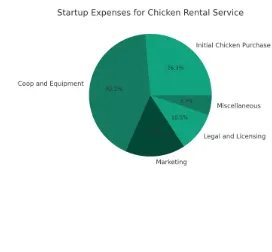
Start-up costs typically range from $2,000-$5,000. Biggest expenses are building high-quality coops, buying an initial flock of chickens, supplies like feed and bedding, and marketing costs. Create a detailed budget and get estimates to determine actual costs.
How much can I charge for chicken rentals?
Common rental fees range from $25-$50 per month per chicken. Factor in your costs and desired profit margin. Offer package discounts for multiple chicken rentals and long-term rentals. Be competitive with other livestock rental pricing in your area.
What chicken breeds work best for renting out?
Opt for productive dual purpose breeds that lay well and tolerate handling. Docile breeds like Orpingtons, Australorps, Wyandottes, Easter Eggers, and Plymouth Rocks are typically best. Avoid flighty breeds. Prioritize health and temperament.
How many chickens do I need to get started?
Aim for at least 10–20 chickens in your starter flock, with a mix of younger hens for eggs and older chickens for renting. Scale up as your customer base grows. Ensure you have capacity should some chickens be unavailable for rent temporarily.
What are the steps for renting out chickens?
Have rental applications, contracts, waiver forms, and policies in place. Thoroughly vet customers. Provide housing and care guidance. Transport chickens carefully to their new home. Schedule regular check-ins and provide backup assistance as needed. Collect chickens promptly upon rental end.
How often do I need to care for rental chickens?
Provide daily feed, water, egg collection, coop cleaning, and observation at your property when not rented. Schedule at least biweekly check-ins with renters to replenish supplies, address issues, and monitor health onsite. Be available for emergencies.
What are the keys to running this business successfully?
Excellent chicken care, high-quality flocks, detailed contracts, responsive communication, outstanding customer service, and proper insurance/licensing of your business. Starting small, reinvesting revenue, and growing steadily over time leads to sustainability.