Frequently Asked Questions
What is the most important first step when starting a clothing line?
The most critical first step is identifying your target customer and choosing a niche. Decide what styles you want to design and who you want to reach. Research competitors in your niche and identify gaps in the market your clothing line can uniquely fill.
How much funding is needed to start a clothing business?
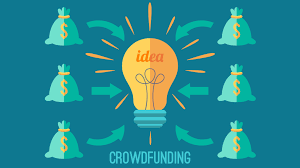
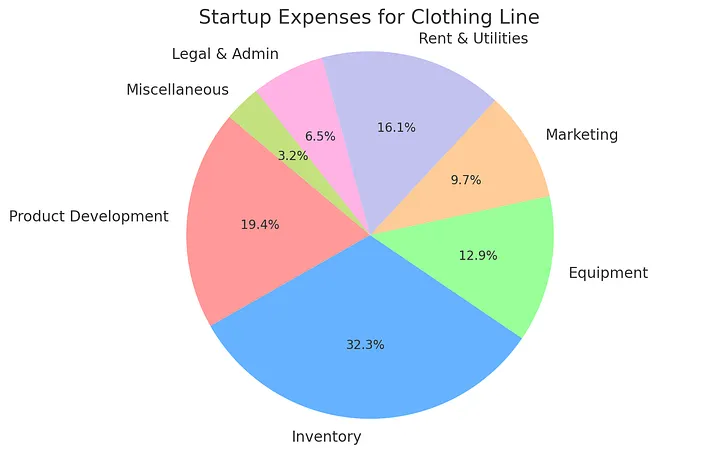
Most clothing lines require at least $10,000 to $30,000 in startup capital, but costs vary widely based on your manufacturing and distribution model. Work with your bank to obtain a small business loan or line of credit. Create financial projections in your business plan to determine funding requirements.
What are the major ongoing costs for a clothing brand?
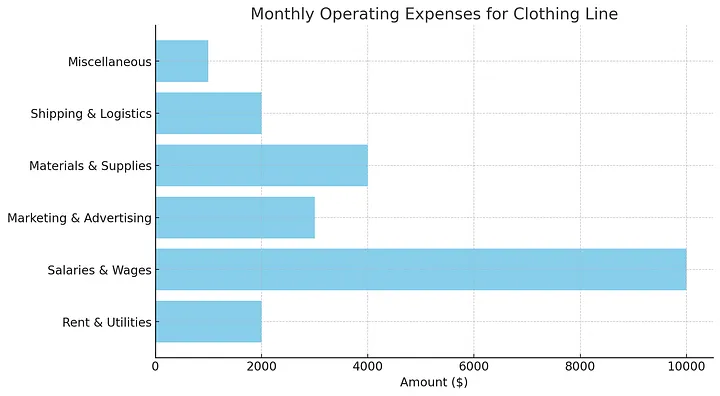
Ongoing costs include manufacturing, materials, inventory, storage, marketing, payroll, software subscriptions, legal/accounting, and other overhead. Budget for an average of 30–50% profit margin on wholesale accounts and 60–80% margin on direct retail sales.
How long does it take to launch a clothing line?
From business planning to securing manufacturing, expect 12–18 months before officially launching. Design and sampling can take 6 months. Place production orders 4 months prior to your target launch date. Market rollout takes 2–3 months for brand photography, PR, digital promotion, and pre-orders.
What’s better for a start-up brand: wholesale or direct-to-consumer?
Many start-ups find a hybrid model works best. An ecommerce store gives you higher margins but wholesale helps scale growth. Start with your own online shop then slowly expand into select boutiques and retailers. Control your brand experience through direct retail while leveraging partners’ distribution.
How important is social media marketing for clothing brands?
Extremely important! Social platforms like Instagram and TikTok are essential for establishing your brand aesthetic and reaching your target audience. Share your story, designer inspiration, manufacturing process, and campaign imagery. Partner with relevant influencers and stylists to drive credibility.
What mistakes should fashion entrepreneurs avoid?
Don’t spread yourself too thin with too many products or categories too fast. Start targeted with a tight collection of versatile core styles. Don’t compromise on poor quality materials or manufacturing. Protect profit margins to build a sustainable business. Stay focused on your niche and distinct brand DNA rather than chasing trends