
15 Minutes Read
Creating A Winning Business Model
We see many entrepreneurs come to us with brilliant ideas an inventions, but the business model is lacking in some…


Last Updated: 12/17/2023
Starting a college planning business is a great idea for 2023. More high schoolers than ever are thinking about college, and their parents want to help them make the best choice. But the world of college admissions can be confusing and stressful for families. This presents an exciting opportunity for you to start a business guiding students to their perfect school.
Who will be your ideal customers? Most likely parents of high school juniors and seniors who are lost in the college prep process. Do some research to learn about families in your local area. What are their common worries when it comes to college? How can your services help them?
Also look at any other college advising businesses around you. What do they offer? What are their weaknesses where you could excel? Finding a niche is key.
Need a College Planning Business Plan?
Create a custom business plan with financial projections and market research in minutes with ProAI’s business plan generator.
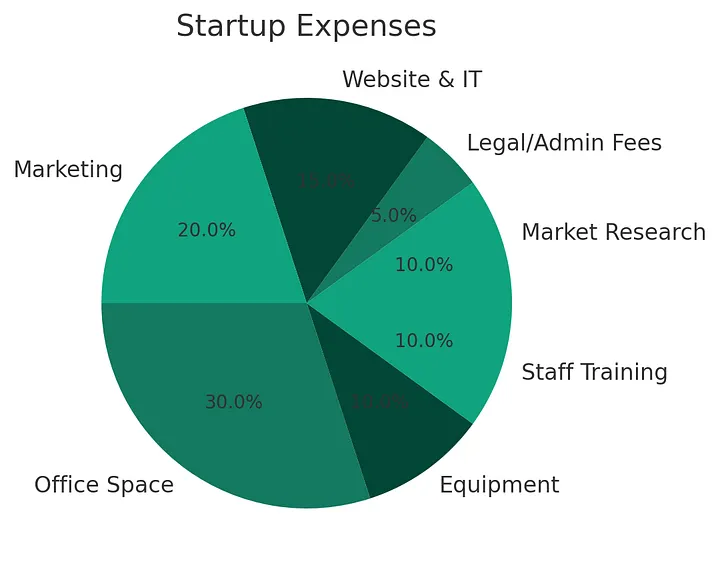
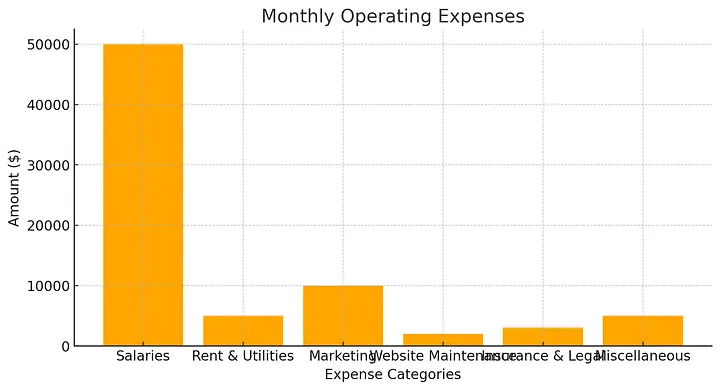
Map out your goals and plan for achieving them. Outline your intended services, pricing, startup costs, etc. Figure out what office supplies or software you’ll need. Make detailed financial projections. Having this business roadmap will prepare you to hit the ground running.
You’ll probably want to be a limited liability company (LLC). This gives you protection if any legal issues arise down the road. Check your state’s requirements for forming an official business entity.
Look into earning certifications from places like the National Institute of Certified College Planners. This will build credibility with parents. Ongoing training is a must too, since college admissions changes each year.
Think about all the ways you can help families: college searches, applications, essays, test prep, advice on academics and activities. Financial aid assistance is huge too. Pick the areas you’re most confident in and start there. Avoid expanding too fast.
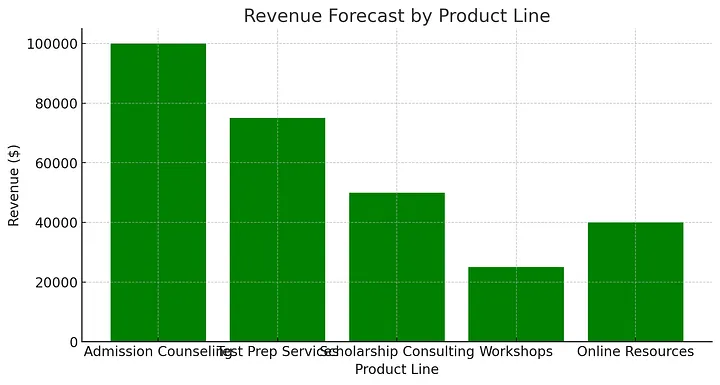
Research other local advisors to stay competitive. Fees around $100 per hour or packages $2,000+ are typical. You could also sell test guides or software at a markup. Offer free initial meetings so parents can learn more.
Come up with a professional business name and logo. Be consistent in all your materials and messaging. Tout your expertise in finding the perfect college match. Share success stories from happy students you’ve helped.
Invest in a website that sells families on working with you. Make it easy to navigate with all the info they need. Let them contact you and schedule meetings. Offer free tools like cost calculators too.
Get your name out there! Network with school counselors who can refer students. Hold seminars for parents. Attend college fairs and community events. Run local ads. Ask satisfied customers to recommend you.
With proper planning and dedication, you can start a rewarding business helping students achieve their dreams. There are so many families who need guidance from a college planning pro like you! By following this roadmap, you’ll be ready to launch and grow a successful firm.
Need a College Planning Business Plan?
Create a custom business plan with financial projections and market research in minutes with ProAI’s business plan generator.
What qualifications do I need to start a college planning business?
There are no formal educational requirements, but earning certifications demonstrates your expertise. Relevant experience working in college admissions or high school counseling is extremely helpful. Ongoing training in areas like standardized testing, financial aid, and learning disabilities benefits clients. Strong interpersonal skills are essential.
Do I need an office to meet with students and parents?
A physical office space isn’t essential. Many independent counselors work remotely and meet with local families at coffee shops or their homes. But an office adds legitimacy and provides a professional setting for consultations.
What legal compliance is required?
College planning businesses need to comply with the same laws as other service companies like obtaining a business license and filing taxes. FERPA compliance is crucial to protect student privacy. Joining professional associations provides guidance on best practices and ethics.
How much can I earn running my own college planning firm?
Earnings potential varies based on your experience, location, and how many clients you serve. Most independent counselors charge around $125 per hour. It’s realistic to earn $50,000 — $100,000 annually within your first few years of operating. Larger firms with multiple counselors can earn significantly more.
What software tools do I need?
A CRM system to organize client information is essential. You’ll also need standard software like Microsoft Office for documents, accounting software, and a web hosting platform. Some counselors invest in college search tools, but free resources from government sites work fine when starting out.
Can I help students apply to colleges abroad?
U.S. counselors typically focus on domestic institutions. Helping students apply internationally requires extensive knowledge of separate educational systems and admission processes country by country. Partner with a counselor based overseas or refer these students to specialists.
How can I ensure students select the right college?
It’s impossible to guarantee any admissions outcomes due to the competitive nature of colleges today. But you can equip students and parents with the insights needed to identify great college fits based on academics, social life, costs, and other factors important to the family.