FAQ
What are the typical startup costs for a duckpin bowling alley?
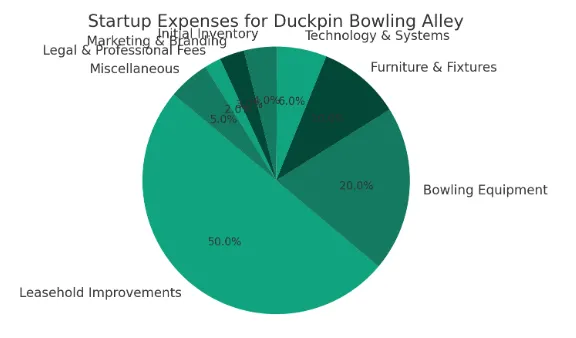
You’ll need around $250,000 — $500,000 to cover the lanes, pinsetters, scoring systems, building renovations, inventory, permits, marketing costs and operating expenses for the first few months until revenue picks up. Leasing equipment can reduce initial capital needed.
How much space do you need for a duckpin bowling alley?
Plan for at least 5,000 square feet for 4–8 lanes. This allows room for seating areas, cafe/bar space, arcade games, etc. You may be able to open with as little as 2,500 square feet for just 2–4 lanes.
What should you look for in a good location?
High visibility and foot traffic, proximity to colleges, hotels, restaurants and family entertainment. Easy highway access and ample parking are big pluses. Scout for a vacant space that meets zoning and can get a liquor license.
How many staff members will you need?
Plan for 1–2 managers, 2–3 front desk/staff per shift, 1–2 bartenders per shift, 1–2 cafe staff during peak times, plus janitorial staff. Start small as you ramp up.
What licenses and permits are required?
A state tax ID, local business license, building permits, liquor license if applicable, insurance, health department certification and zoning approval for entertainment facility.
How do you choose the right bowling equipment?
Work with established vendors like QubicaAMF or Brunswick to select quality new or used lanes, pinsetters, balls, seating. Get multi-year parts/service warranties.
What are effective ways to market a new alley?
Social media, website, search engine ads, print/radio promotions, press releases, flyers, direct mail, coupons at hotels, partnerships with colleges and companies for events.
How much can a duckpin bowling alley make?
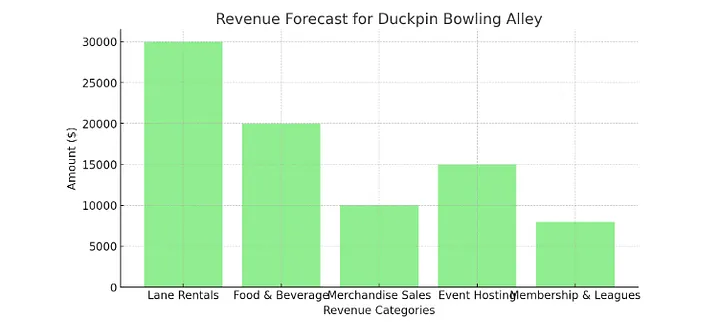
Revenue can range widely, but a well-run small alley with a cafe and 4–6 lanes can generate $150,000-$250,000 or more per year. More lanes and larger footprint locations earn higher revenue.
What are tips for success?
Offer online/app booking, loyalty programs, leagues, corporate events, birthday parties, tournaments, food/drink specials. Provide excellent customer service and keep equipment in top shape. Promote heavily on social media and build community partnerships. Stay involved in the bowling industry network.