15 Minutes Read
Creating A Winning Business Model
We see many entrepreneurs come to us with brilliant ideas an inventions, but the business model is lacking in some…

Last Updated: 12/17/2023
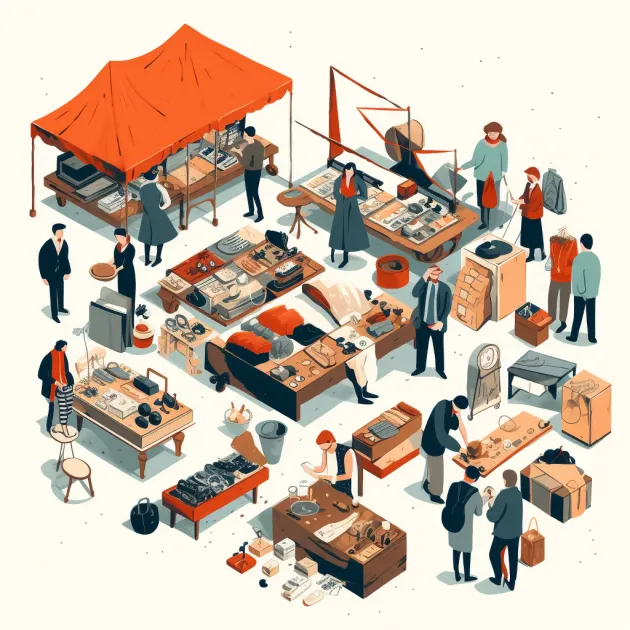
Have you ever wandered through a flea market on a sunny weekend morning, sipping coffee and browsing stalls filled with hidden treasures? The thrill of uncovering a unique vintage find or handmade work of art is part of what makes flea markets so enjoyable. If you love seeking out one-of-a-kind items and curating eclectic collections, starting your own flea market business could be an incredibly rewarding venture.
Running a successful flea market booth takes passion, dedication, and some strategic planning. Here are some key steps to get your small business up and running:
With so many items on offer, it helps to focus your booth around a specialty. Play to your strengths and interests by featuring a specific category like jewelry, antique furniture, retro toys, vinyl records, or handmade crafts. Become known as the go-to booth for your niche.
Need a Flea Market Business Plan?
Create a custom business plan with financial projections and market research in minutes with ProAI’s business plan generator.
Scour estate sales, thrift stores, online auctions, and specialty wholesale sites to find unique goods to resell. Look for items that fit your niche and are in good condition. Build relationships with suppliers who can provide you with consistent merchandise. Take time to clean and polish items so they shine in your booth.
Create an eye-catching booth that draws people in and encourages them to linger. Use tables, shelves, racks, and other display pieces to showcase items attractively. Incorporate signage, decor touches, and solid color backdrops to pull the space together. A clean, uncluttered layout makes it easy for shoppers to explore.
Research comparable items to set fair, competitive prices. Factor in your product costs, booth fees, and other expenses. Allow room for negotiation, but don’t undervalue handpicked wares. Price items clearly with tags or signage. Offer bundles and deals to move stagnant inventory.
Let people know about your booth through social media, flyers, partnerships with other vendors, and word-of-mouth referrals. Share behind-the-scenes sneak peeks, new arrivals, and sales promotions to generate buzz. Encourage happy customers to follow you on Instagram or Facebook.
Greet everyone with a smile and make conversational connections. Share background on your more unique pieces. Be approachable and willing to negotiate. Customers will remember the passion and care you bring to your booth. Send thank you notes or discounts to loyal regulars.
By combining knowledge of your specialty, an inviting setup, fair pricing, and outstanding customer service, you’ll be on your way to flea market success. Let your flair for curating one-of-a-kind items shine through. Stay flexible, have fun, and you could turn your booth into a thriving small business!
Need a Flea Market Business Plan?
Create a custom business plan with financial projections and market research in minutes with ProAI’s business plan generator.
Q: What is a flea market, and how is it different from other markets?
A flea market is a type of marketplace where vendors gather to sell a wide array of secondhand, vintage, handmade, and unique items. Unlike traditional retail stores, flea markets typically take place in open-air spaces or indoor halls, showcasing an eclectic mix of products. These markets offer a treasure trove of hidden gems and one-of-a-kind finds, making them a favorite destination for collectors, bargain hunters, and anyone looking for something special.
Q: How do I decide on a niche for my flea market business?
Choosing a niche for your flea market business is essential as it helps you stand out and attract a specific customer base. To decide on a niche, consider your passions, expertise, and the availability of products in your area. Are you passionate about vintage clothing, retro home decor, handmade crafts, or antique furniture? Identifying a niche that aligns with your interests will not only keep you motivated but also make it easier to curate a unique and appealing collection.
Q: How can I source products for my flea market business?
Sourcing products is a vital aspect of running a successful flea market business. Start by scouring local thrift stores, estate sales, garage sales, and online platforms to find unique items. Build connections with wholesalers or local artisans who can supply you with a steady stream of merchandise. Keep an eye out for auctions and flea market-specific trade events to discover hidden gems for your booth.
Q: What legal considerations do I need to address before starting my flea market business?
Before launching your flea market business, make sure you handle the legal aspects properly. Register your business and obtain any required permits or licenses, depending on your local regulations. Check with your city or county authorities about zoning laws and other restrictions related to operating a flea market booth. Additionally, consider liability insurance to protect yourself and your inventory from unforeseen events.
Q: How do I create an attractive booth setup that appeals to customers?
Designing an inviting and visually appealing booth is crucial for attracting customers. Invest in display shelves, racks, and tables that complement your products and showcase them effectively. Incorporate eye-catching signage and add decorative elements to create a cohesive and attractive display. A well-organized and aesthetically pleasing booth will draw customers in and encourage them to explore your unique offerings.
Q: How should I price my products for optimal sales without undervaluing my inventory?
Finding the right pricing balance can be tricky. Research the market value of similar products to ensure your prices remain competitive. Consider the cost of acquiring the items, including any refurbishing or cleaning expenses, and factor in a reasonable profit margin. Be open to negotiation with customers while staying firm on prices that reflect the value of your curated collection.
Q: What are some effective marketing strategies for promoting my flea market business?
Leverage the power of social media to showcase your products and engage with potential customers. Use platforms like Instagram, Facebook, and Pinterest to post high-quality images and interact with followers. Distribute flyers and business cards at local events and community gatherings to increase your booth’s visibility. Additionally, collaborate with other vendors and participate in flea market communities to extend your reach and build a network of potential customers.
Q: How can I build strong customer relationships and encourage repeat business?
Engaging with customers and offering personalized assistance can go a long way in building lasting relationships. Share stories about your products, offer insights and recommendations, and be approachable and friendly. Encourage customers to sign up for a newsletter or follow your social media accounts to stay updated on new arrivals and special promotions. Providing excellent customer service and a memorable shopping experience will increase the likelihood of repeat business and word-of-mouth referrals.