
Frequently Asked Questions
If you’re considering starting your own nonprofit pet shelter, you likely have some questions about the process and operations. Here are answers to some of the most common FAQs:
How much does it cost to start a pet shelter?
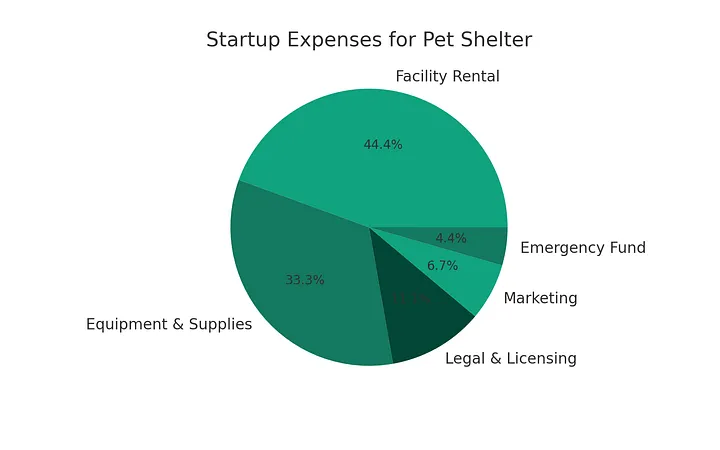
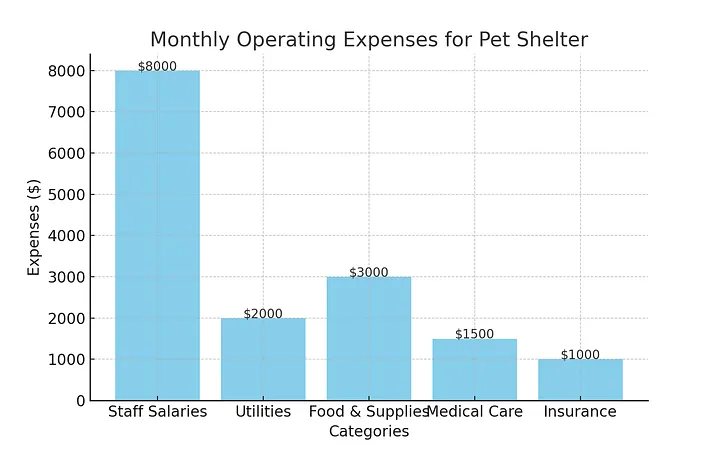
Starting a pet shelter requires significant upfront costs, including expenses for land, constructing or renovating a facility, supplies and equipment, permits and licenses, staffing, veterinary care, etc. The ASPCA estimates it can cost between $850,000 to $3.2 million to start up a basic animal shelter. Operating costs are also high, so sufficient fundraising is critical.
What are the basic steps to start a shelter?
The key steps include choosing a shelter model, forming a legal business, obtaining licenses and permits, establishing a location, hiring staff, raising funds, partnering with vets/rescues, creating policies and procedures, marketing your services, and networking within the local animal welfare community.
How long does it take to get a shelter up and running?
If you already have a building and property, it can take 6 months to a year to get fully licensed, developed and operational. If you need to find a location and construct a new building, the timeframe can easily extend to a few years before opening your doors. Patience and persistence is key.
What kind of staffing is needed?
At minimum, you’ll need kennel staff to care for animals, veterinary staff to provide medical care, management/administrative staff, and adoption counselors or customer service staff. Volunteers can assist with many tasks as well.
What are some ways to fundraise for a shelter?
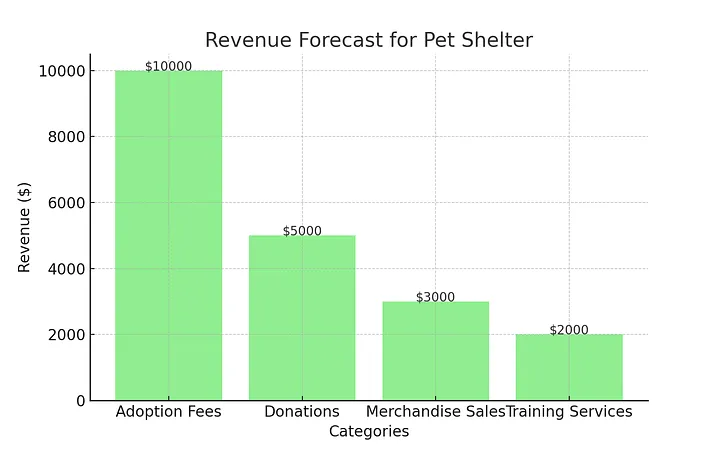
Grants, donations from individuals and corporations, sponsorships, annual giving campaigns, planned giving, legacy donations, fundraising events, adoption fees, retail sales of merchandise, and partnerships with local businesses and donors are all essential funding streams.
Do I need any special education or experience?
While a background in animal welfare, business management or nonprofit management is extremely helpful, the most important qualifications are passion and commitment to the mission. Taking courses in nonprofit management and fundraising best practices can give you additional skills.
How can I network and get support from the local community?
Reach out to rescues, vet clinics, pet supply stores, schools, your chamber of commerce and more. Attend conferences and events for animal welfare groups and shelters. Partner on projects and recruit volunteers, ambassadors and fosters. Get the word out on social media. The broader your outreach, the stronger your support system will be.
What are some top tips for success?
Stay organized, find mentors, pace yourself for the long haul, take advantage of resources from established shelters, focus on sustainable practices, care for your staff/volunteers, keep detailed records, be transparent, don’t forget the human-animal bond, and above all — let your passion for helping animals in need shine through.