
15 Minutes Read
Creating A Winning Business Model
We see many entrepreneurs come to us with brilliant ideas an inventions, but the business model is lacking in some…


Last Updated: 12/17/2023
If you’re an animal lover looking for a fulfilling career change, opening your own pet-sitting service can be incredibly rewarding. Who wouldn’t want to spend their days caring for adorable furry friends? With pet ownership on the rise, demand is booming for qualified sitters to provide reliable in-home care when owners are out of town.
I launched my own pet-sitting business a few years ago and it was one of the best decisions I’ve ever made. Yes, it involved effort and planning, but I absolutely love the flexibility and satisfaction my business provides. If you want to say goodbye to a boring desk job and hello to pups and purrs, then this guide covers everything you need to get started.
As with any new venture, your first step is drafting a detailed business plan — trust me, this part is crucial! Outline your services, ideal clients, startup costs, pricing, marketing strategy, and first year goals. Defining these key details early allows you to set strategic direction and manage challenges down the road.
I spent a full weekend mapping out every aspect of my business on paper before taking any action. While not the most exciting process, having this information to refer back to has helped immensely. Include the basics like an overview of your experience and qualifications. But also dive into niche offerings that set you apart, like administering medication or training assistance.
Need a Pet-sitting Business Plan?
Create a custom business plan with financial projections and market research in minutes with ProAI’s business plan generator.
Some vital legal boxes to check before accepting your first client:
– Register your business structure whether it’s a sole proprietorship or an LLC.
– Obtain pet sitter insurance to protect yourself — totally worth the peace of mind.
– Have clients sign contracts covering services, fees, policies, keys, etc.
I know dealing with paperwork isn’t glamorous, but properly setting up the backbone of your business will save major headaches later on! Don’t worry, your furry clients are coming soon.
While no fancy certificate is needed for pet sitting, education and hands-on practice are musts. I invested in a pet first aid course early on, which came in handy more than once! Additionally, volunteer or work part-time at kennels, shelters, groomers or vets to gain real experience caring for animals.
Build knowledge of pet nutrition, illness/injury treatment, medication administration, and behavioral issues. The more qualified you are, the more professional and dependable your services will appear.
Having the proper gear to care for pets is essential. Stock up on leashes, waste bags, pet first aid supplies, cleaning products, food and water bowls, brushes, keys, and other handy tools. Organization is key — create folders or an app to keep each client’s info neatly together.
When starting out, don’t go overboard buying a bunch of equipment you may not need. Wait to hear what clients specifically request. You can always purchase more supplies down the line.
Pricing appropriately is key to running a profitable business. Research rates in your area for dog walking, pet visits, overnight stays, etc. Price competitively based on the time commitment and your qualifications. As you build experience, you can increase rates over time.
I charge $20 per 30-minute visit and $50 per night which aligns with other pet sitters in my city. Extra services like grooming or training fetch higher hourly fees. Have clear written rates ready when prospective clients inquire — you want to appear organized and professional.
Marketing is what turns your expertise and passion into a thriving business. Start by developing a brand — come up with a catchy name and logo that captures your personality. Design professional print materials to give your business polish.
Leverage social media by creating Facebook and Instagram pages showcasing your services through photos and videos. Reach out to local veterinarians, groomers, shelters, and pet stores to ask about partnering for referrals — satisfied client referrals will become your best source of new business over time.
If you’re willing to put in the legwork on the not-so-glamorous planning and prep, then you’ll be rewarded with the joy of caring for pets each day in a business you built from the ground up. Seeing those furry faces when you arrive for visits makes every ounce of effort worthwhile. So what are you waiting for? Follow this guide and your dream of owning a pet care business can become a reality!
Need a Pet-sitting Business Plan?
Create a custom business plan with financial projections and market research in minutes with ProAI’s business plan generator.
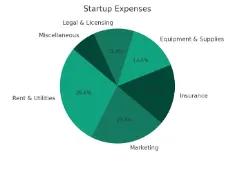


How much does it cost to start a pet-sitting business?
The start-up costs for a pet-sitting business can range from $500 to $2,000. Initial expenses will include costs for branding and advertising materials, website development, licenses and insurance, equipment like leashes and waste bags, and any pet care training courses. It’s possible to start out quite lean if you already have some of the required supplies.
Do I need any special training or certifications?
While no special certification is legally required, taking courses in pet first aid, nutrition and obedience can help boost your expertise. Many clients look for pet sitters with training credentials. Optional certifications are available from the National Association of Professional Pet Sitters (NAPPS) and Pet Sitters International (PSI).
How much can pet-sitters earn?
Most pet sitters charge between $15 — $30 per 30-minute visit or $20 — $50 per night. You can expect to make $200 — $1,000 per week when first starting out, with the potential to earn up to $4,000 per week once established. Income often depends on the number of clients and services offered.
How do I market my pet-sitting services?
Some key marketing strategies include creating a website, advertising on neighborhood forums/listservs, partnering with groomers and vets for referrals, and boosting your visibility on sites like Yelp. Focus on developing a strong online presence along with printed flyers, business cards and word-of-mouth referrals.
What types of insurance do I need?
Liability insurance is essential to protect yourself from any injuries, damages or accidents that occur while pet-sitting. Policies start around $200/year. Optional insurances include accident/illness coverage and bonding insurance for protection against theft.