
15 Minutes Read
Creating A Winning Business Model
We see many entrepreneurs come to us with brilliant ideas an inventions, but the business model is lacking in some…


Last Updated: 12/17/2023
If you’ve ever felt stressed looking at the cluttered mess of your home or office, you’re not alone. But for some, seeing that chaos sparks joy rather than dread. People who love tidying up and organizing often wonder if they can turn their skills into a career. Well, good news: starting your own professional organizing business is totally doable.
The demand for organizers has grown a lot recently. Busy modern lives leave many folks wanting to outsource decluttering and getting organized. So if you enjoy order and efficiency, why not put your natural talents to use? Follow these steps to launch your own organizing biz from scratch.
First, you need an actionable business plan. Do some soul searching to clarify what services you’ll offer, who your ideal clients are, and your long-term business vision. Know your strengths as an organizer. What processes and systems do you use that make you excel? How can you stand out?
– A description of the services you’ll provide and target clientele.
– Research on the demand for pro organizers locally, plus competitor analysis.
– Details on day-to-day operations, your methods and tools, etc.
– A marketing strategy for attracting clients.
– Financial projections including start-up costs, pricing, and expected revenues.
Having this concrete plan makes it way easier to later fund, launch, and grow your company.
Need a Professional Organizing Business Plan?
Create a custom business plan with financial projections and market research in minutes with ProAI’s business plan generator.
How will your biz be set up legally? Common options:
Sole proprietorship — You use your personal name, easy to set up.
Partnership — You go into business with others.
LLC — Offers liability protection and flexible taxation.
Corporation — More complex but maximum liability protection.
For most organizing businesses, an LLC keeps things simple while protecting your assets. Consult a tax pro or lawyer for guidance on the best structure for your situation.
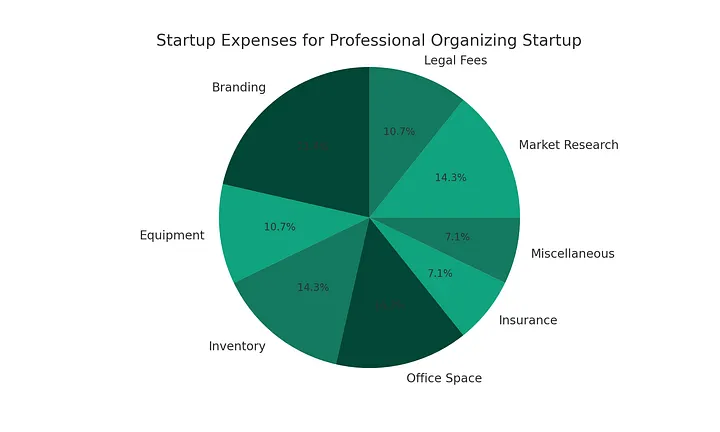
Starting any business takes some upfront investment. Budget for:
– Legal/licensing fees
– Home office furniture or rented workspace
– Tools like labeling machines, shelving, and carts
– Logo design, business cards, website, etc.
– Insurance like liability and errors & omissions
– Your own savings if costs are low.
– Small business loans/grants.
– Crowdfunding through platforms like Kickstarter.
– Business credit cards (use carefully).
– Family loans or partner investments.
Weigh the pros and cons of each approach. Combine a couple methods to cover costs without huge debt.
Now for the fun part — crafting your brand image! Be clear on the vibe you want to convey. Some suggestions:
– Pick a catchy, memorable business name.
– Work with a designer on branding like a logo, color scheme, etc.
– Set up accounts on Instagram, Facebook, etc. and post regularly.
– Have professional business cards made with all your info.
– Create a beautiful website showing your services.
– Use marketing materials that all align with your brand style.
Your brand is how you make a stellar first impression and stand out. So get your image polished before officially opening your doors.
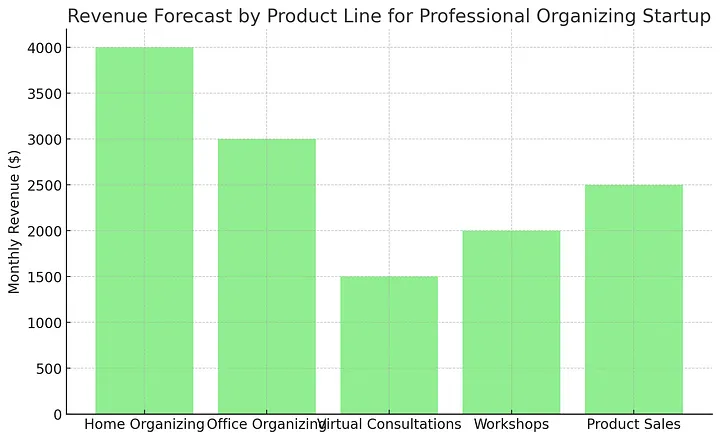
Take time to define the specific professional organizing services you’ll provide. Niches to consider include:
– Residential home decluttering and organization.
– Office and workspace file/layout organization.
– Downsizing help for moves.
– Assisting with estates after a loss.
– Closet, garage, and storage area organizing.
– Photo and memorabilia collection organizing.
– Hoarding disorder counseling and support.
Start with your favorite 1–2 services, then diversify your offerings over time. Describe and price your services attractively on your new website.
Make sure to:
– Apply for any needed business licenses and sales tax IDs.
– Get insured — general liability and errors & omissions policies first.
– Consider getting certified through NAPO, ICD or BPO to demonstrate your expertise.
Having proper credentials will make clients feel confident in hiring you.
Price Your Services Fairly Based on Your Costs
– How specialized your skills for each service are. More specialized skills warrant higher prices.
– The project length and scope. Estimate pricing by the hour or job.
– Typical rates of other organizers in your geographic area. You need to be competitive.
– Your experience level. Higher rates are fair with more years in the field.
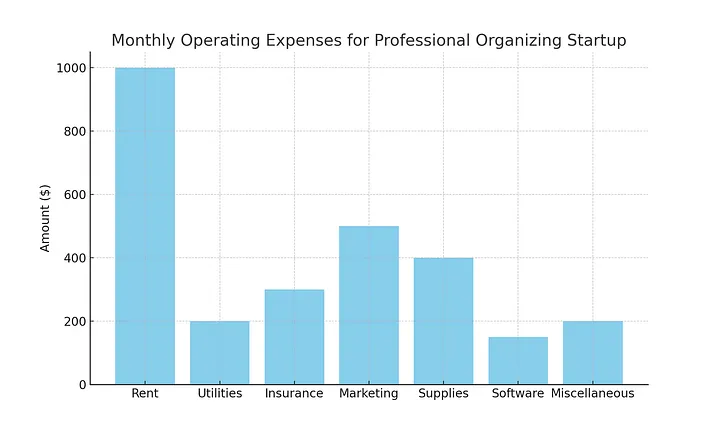
– Expenses like supplies, insurance fees, tools, mileage, etc.
– The profit margin you want — aim for around 30% when starting out.
Track your time on early projects to help refine your rates. Offer bundled packages for stuff like whole home cleanouts.
Marketing and outreach are make-or-break when launching your venture.
– Optimize your website for searches like “professional organizer near me”.
– Blog about organizing tips and share before-and-after project photos.
– Post consistently on social media and engage with your audience.
– Get listed on Yelp, Google Business Profile, etc.
– Network at local community and chamber events.
– Print brochures and ads to distribute locally.
– Offer referral bonuses to happy clients.
Consider paid ads on Facebook or Google to reach clients. Pitch press releases to local media about your new business. Team up with interior designers, realtors and other complementary service pros for referrals.
As you work with initial customers, really wow them by:
– Thoroughly assessing their needs upfront before quoting a price.
– Setting clear expectations about the process. Use service agreements.
– Taking “before” shots of messy rooms to showcase killer “after” reveals.
– Staying professional in speech, conduct, and appearance.
– Using your tools and systems efficiently. Bring all your own supplies.
– Handling clients’ stuff with care. Ask questions before discarding items.
– Customizing your solutions for each client’s unique situation.
– Providing clients with organizing tips to maintain order.
– Requesting reviews and referrals from happy customers.
By being reliable, caring, and adaptable, you’ll build a loyal client base over time.
If you love organizing, why not try turning your natural skills into a thriving business? Use this guide to strategically start your own professional organizing company. With consistent marketing and providing great service, you can do what you love while helping clients transform their lives through decluttering.
Need a Professional Organizing Business Plan?
Create a custom business plan with financial projections and market research in minutes with ProAI’s business plan generator.
What is the cost to start a professional organizing business?
Start-up costs vary widely but plan for roughly $2,000 — $5,000 to cover licenses, insurance, branding, website, basic tools/supplies, office equipment, etc. Many successful organizers bootstrap their business frugally starting out.
Do I need special training to become a professional organizer?
No specific training or education is legally required. However, taking organizing courses, getting certified and apprenticing can help you gain skills and credibility with clients.
How do I determine my rates and offerings as a professional organizer?
Study the competition to see typical organizing service packages and prices in your area. Have a mix of hourly and flat project rates. Offer tiered service levels at different price points.
What insurance do I need as a professional organizer?
At minimum, get general liability insurance. Also consider errors and omissions, workers comp if hiring employees, and business property coverage. Joining a trade group like NAPO can get you better rates.
How much can professional organizers earn?
Income varies greatly depending on your client base, rates, and how many hours/projects you take on. Many professional organizers earn $30,000 to $60,000 per year. With higher rates and more clients, six-figure incomes are possible.
Do I need a business license and permits?
Requirements vary by location. But generally you’ll need a standard business license, sales tax ID if collecting sales tax, and home business permit if based out of your home.
What is the best way to find organizer clients?
Start with your personal network. Run Facebook ads targeted locally. Get active in neighborhood Facebook groups. Ask happy clients for referrals. List your business on Google, Yelp and other directories.
How can I stand out from other professional organizers?
Offer something unique like a specialization in hoarding or photo organizing. Provide tech-based solutions. Develop a strong brand image. Focus on excellent customer service. Share before and after photos of your projects.