
15 Minutes Read
Creating A Winning Business Model
We see many entrepreneurs come to us with brilliant ideas an inventions, but the business model is lacking in some…


Last Updated: 12/17/2023
If you’re a seasoned project manager looking to go out on your own, launching a project management consulting firm can be a terrific way to capitalize on your skills. With businesses increasingly turning to external experts to ensure initiatives stay on time and on budget, demand is growing for independent pros who can provide guidance.
But before diving in, make sure you know what running your own consulting business entails. While you’ll get to focus on your passion — managing projects — you’ll also need to handle everything that comes with business ownership, from marketing yourself to doing your own accounting and administration.
One of the first steps is thinking about what services you’ll provide. Consider your areas of expertise and past experience. Will you concentrate on IT projects, construction, event planning, or something else? Get specific about the types of projects you want to tackle and industries you know best.
Initially, it’s smart to zero in on a niche so you can market yourself effectively and build a reputation in that space. As your business expands, you can broaden your offerings.
Need a Project Management Consulting Business Plan?
Create a custom business plan with financial projections and market research in minutes with ProAI’s business plan generator.
You’ll need to decide whether to structure your business as a sole proprietorship, partnership, corporation, or LLC. This decision should be based on factors like liability protection, taxes, and record-keeping needs.
Many consulting businesses opt for a limited liability company (LLC) because it provides liability protection while still allowing business income and expenses to be reported on your personal tax return, reducing paperwork. But talk to an accountant or lawyer to pick the best structure for you.
Once you choose a business structure, take the necessary steps to make it legit. If incorporating as an LLC or corporation, you’ll need to file documents with the state.
You’ll also need licenses and permits, like a sales tax permit, employer ID number (EIN) from the IRS, and any local business licenses required by your city or county. This helps give your business an aura of credibility and ensures you follow regulations.
Earning recognized credentials can attract clients and demonstrate your qualifications. Some top certifications to consider include:
– PMP: Project Management Professional from PMI
– PRINCE2: Projects in Controlled Environments from AXELOS
– CSM: Certified ScrumMaster from Scrum Alliance
– CAPM: Certified Associate in Project Management from PMI
Think about getting certified in various frameworks to appeal to more clients.
Figure out how you’ll charge for your services. Common consulting fee structures include:
– Hourly rate: $50-$500/hour
– Daily rate: $400-$5,000 per day
– Fixed fee: Quote a project price upfront
– Value-based pricing: Base fees on the value you provide
Research rates of other consultants in your geographic area and field. Bill at rates on the higher end for your level of experience so you have room to negotiate or offer discounts.
Build a professional website that educates potential clients about your services and background. Be sure to include:
– A homepage explaining what you do
– A bio summarizing your qualifications
– Case studies and testimonials
– Services page outlining your offerings
– Contact page with phone, email, and contact form
Buy your business name as a domain and use a mobile-friendly template. This gives your business an online presence.
Design marketing collateral you can provide to prospects, like service descriptions, case studies, and company brochures. Have a logo designed that represents your brand.
Ensure all materials showcase your niche, expertise, and the value you offer clients. Print business cards to hand out while networking.
Tell your network you’ve started a consulting firm. Reach out to past colleagues, clients, friends, and vendors to spread the word about your new venture.
Ask if they can refer anyone who might be interested in your services. Speaking with warm leads in your existing network is an effective way to land your first consulting gigs.
Become a member of professional groups related to project management and your niche industry. Attend local association events to connect with potential clients and partners.
For instance, join your local chapter of the Project Management Institute. Being an active participant raises your profile.
Build your credibility by creating a LinkedIn profile summarizing your consulting services, background, and recommendations. Share informative content with your network.
You can also run LinkedIn ads targeting your ideal audience and participate in relevant LinkedIn groups. In addition, look into contributing guest posts to industry blogs aligned with your niche to showcase your expertise.
Consistently seek out ways large and small to market your consulting business, from online ads to networking locally. The goal is to keep your services top of mind with potential clients.
Promote any speaking engagements, awards, new certifications and anything else that highlights your expertise. Also be sure to request referrals from happy clients. Ongoing marketing is critical for continual growth.
The best marketing is doing fantastic work for your initial clients. This allows you to leverage their great outcomes and testimonials to win future projects. Focus on providing immense value and building trusting relationships.
By focusing on a niche, branding yourself professionally, and networking relentlessly, you can build a thriving project management consulting practice. Stay dedicated to delivering for clients and your business momentum will grow.
Need a Project Management Consulting Business Plan?
Create a custom business plan with financial projections and market research in minutes with ProAI’s business plan generator.
What education or background do I need to start a project management consulting business?
Having a bachelor’s degree and professional project management experience is ideal. Earning credentials like a Project Management Professional (PMP) certification lends credibility. Hands-on experience managing projects for companies in your desired niche is hugely beneficial.
Do I need a lot of start-up funding to launch a consulting business?
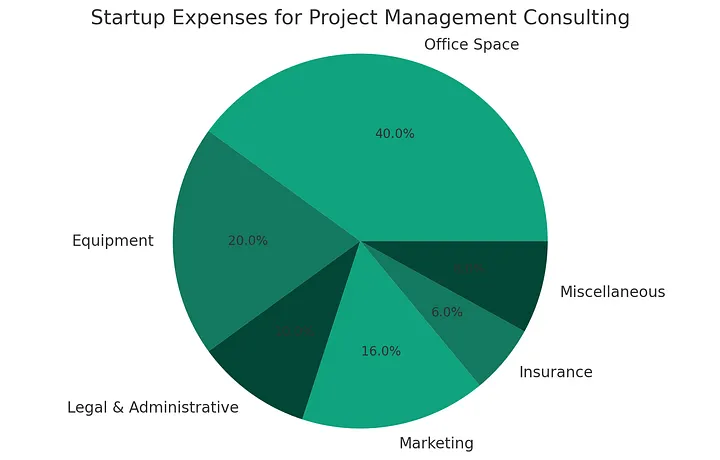
You can start a consulting business on a tight budget. Costs at launch are typically under $1,000 for basic legal/administrative expenses and marketing materials. Startup needs like an office and equipment can come later. Focus initially on tapping your network and skills.
How do I attract my first consulting clients?
Leverage your network of contacts, industry associations, and LinkedIn to find that first client. Offer discounts if needed to get your first project and build your reputation. Deliver fantastic work, then request referrals and testimonials to fuel your business.
How much should I charge as a consultant?
Examine rates of comparable consultants in your geographic area and niche to determine competitive pricing. Bill at the higher end for your experience level. Remember to factor in project overhead costs on top of your hourly rate. As you build your reputation, you can increase your rates.
Should I focus on a niche or be a generalist?
It’s smarter for new consultants to develop niche expertise rather than be generalists. Pick an area you have experience in and become known as a specialist. This allows you to better target prospects and establish your credentials. Once your consulting practice matures, you can expand your offerings.