
startup
15 Minutes Read

How to Start a Review Website Business in 2024

Last Updated: 12/17/2023 How I Started My Own Successful Review Website Business Hey everyone! My name’s Alex and in this post, I wanted to share my experience starting a review…

Last Updated: 12/17/2023

How I Started My Own Successful Review Website Business

Hey everyone! My name’s Alex and in this post, I wanted to share my experience starting a review website from scratch. This is the exact step-by-step process I used to take my site from idea to profitability within the first year.

Picking the Right Niche is Key

The first and most important decision was choosing my niche. I knew a broad “review everything” site would never get traction or stand out. So I spent time researching specific niches to find one with enough demand and online search volume, but not too much competition. For me, that niche was outdoors/hiking gear.

Once I decided on the niche, I made a list of all the related sub-categories I could review — boots, backpacks, tents, sleeping bags, etc. This helped me organize my site structure from the start.

Need a Review Website Business Plan?

Create a custom business plan with financial projections and market research in minutes with ProAI’s business plan generator.

Building the Website — Design is Crucial

Since this site relied so heavily on visual reviews, choosing the right design was crucial. I wanted clean, simple navigation that made finding reviews easy.

Here are some of the key features I included:

– 100% mobile responsive

– Logical site architecture

– Easy internal search

– User profiles so people could connect

– Streamlined review submission process

– Fast load times

There are awesome WordPress themes and developers that can help with design. I handled most of it myself using Elementor.

Creating Search-Friendly Review Content

The make or break for any review site is high-quality content. I focused on in-depth, honest reviews based on actually testing and using the gear.

For SEO and traffic, I optimized each post using keywords in the titles, headers, meta descriptions etc. This helped them rank in search engines.

I also promoted new reviews on social media and linked to related reviews where appropriate.

Community Reviews Are Gold

While my reviews were helpful, real reviews from outdoors enthusiasts in the community became the most valuable content. I made it super simple for anyone visiting the site to submit a review — just a form that asked for pros, cons, ratings, etc.

To incentivize contributors, I featured “Reviewer of the Month”, gave shoutouts on social media, and offered free gear. This built genuine user engagement.

Making Money: Affiliate Links, Ads and Sponsorships

Once the site was more established, I used a few strategies to monetize:

– Affiliate links to related gear on Amazon and REI

– Google Adsense units matched to the hiking niche

– Sponsored reviews from relevant brands (clearly disclosed)

– A Pro membership option without ads or access to bonus content

The key is providing real value first. The money will follow!

Gaining Traffic Through Promotion and SEO

Promoting my new site was critical to getting on people’s radar. Some of my top strategies were:

– Optimizing content for search engines

– Reaching out to other blogs for backlinks

– Leveraging social media

– Running paid Facebook and Instagram ads

– Guest posting on hiking and outdoor sites

– Getting sponsors for my weekly podcast

It takes consistent effort but pays off. My traffic has grown 30% month-over-month!

Final Thoughts

Building a profitable review website does take a lot of patience and work. But it’s one of the most rewarding projects I’ve taken on. By really focusing on quality over quantity, and always improving my content, I’ve been able to grow my site into a real community and business.

Need a Review Website Business Plan?

Create a custom business plan with financial projections and market research in minutes with ProAI’s business plan generator.

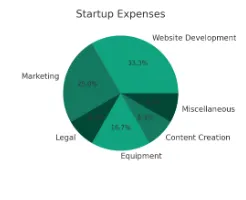
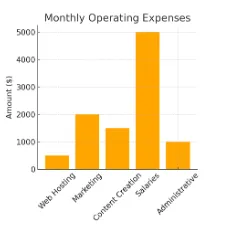
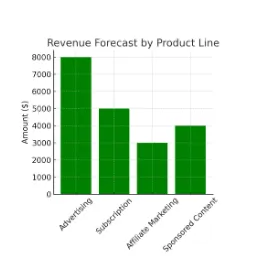
Review Website Financial Forecasts

Startup Expenses

Monthly Operating Expenses

Revenue Forecast

FAQ

What is the best platform to build a review website?

WordPress is likely the best platform for building a review website. The CMS is easy to use, has thousands of templates and plugins, and can support a user community for reviews. The WordPress platform is also optimized for SEO.

Should I build the website myself or hire a developer?

If you have some website building experience, you may be able to build the site yourself using WordPress. This will save on costs. However, hiring a developer is a good investment if you want a more complex, custom-designed site.

What is the best way to get reviews from users?

The best way is to make the review submission process as simple as possible. Have user profile creation, a basic submission form, and community features. You can also offer incentives like rewards points or contests for top reviewers.

How do I make money from my review website?

Start by adding affiliate links, display ads, and sponsored posts seamlessly into your content. As your traffic grows, you can add premium membership options, paid advertising, and find other ways to monetize your audience.

How much does it cost to start a review website?

Initial costs can range from $500 — $5,000+ depending on if you buy a template, hire developers, use paid promotion etc. Ongoing costs will be web hosting, domain renewals, software, and any paid advertising.

How long does it take to become profitable?

Most review sites take 6–12 months to start generating a consistent profit. Focus on building traffic and community for the first few months before monetizing. With consistent effort, your site can become a passive income source over time.

Should I focus on search traffic or social media marketing?

Try to leverage both channels. Optimize your content for organic search, but also share your best reviews on social media and encourage engagement. A multi-channel strategy is best for reaching the largest possible audience.

What makes a review website successful?

Delivering better, more authentic information than competitors. Focusing on a specific niche and creating in-depth, honest reviews. Building genuine community and user engagement on the site. Providing value rather than prioritizing monetization.

How is a review site different from a blog?

A review site focuses solely on providing ratings, recommendations and opinions about products or services. A blog has a wider range of content including advice, news, tips, and perspectives on a topic.

You May Also Like