startup
15 Minutes Read

How to Start a Summer Camp Business in 2023

Last Updated: 12/17/2023 Starting a Summer Camp: How to Make It Happen Opening a summer camp can be such a rewarding experience. You get to make a real difference for…

Last Updated: 12/17/2023

Starting a Summer Camp: How to Make It Happen

Opening a summer camp can be such a rewarding experience. You get to make a real difference for kids and teens during their precious summer breaks. As the owner, you help shape the lives of your campers through unforgettable activities, laughter and personal growth. But it’s also a big responsibility — you want to get things right. This guide covers the key steps, so you can start your own successful summer camp business.

Picking the Perfect Spot

One of your first big decisions will be choosing where to set up camp (pun intended). Here are some factors to think about when selecting an area:

– Is it near your target campers? Consider where most of your families will be coming from.

– What’s the outdoor space like? Lakes, trails, open fields and forests are ideal. Close to nature is best!

– What are the summers like? Mild weather is what you want. Avoid extremes of hot or cold.

– How far will staff and campers commute? Find a central, convenient location if possible.

– Are camps allowed in the area? Double check local rules and permitting.

– How expensive is real estate or rent? Will you buy or lease your facilities?

Once you’ve narrowed it down, go scout potential sites in person. Make sure it’s a place that feels like home!

Need a Summer Camp Business Plan?

Create a custom business plan with financial projections and market research in minutes with ProAI’s business plan generator.

Designing Your Programs

The activities and classes at your camp will be the highlight of each day. As you craft your programs, keep these things in mind:

– Are there different age groups? Develop tracks for younger vs older kids.

– What types of camps will you run? Focus on sports, arts, adventures — whatever matches your specialty!

– Will you accommodate all skill levels? Beginners to advanced, make activities progressive.

– How will you weave in learning? Blend educational elements into games and fun.

– Can every child participate? Include accommodations for kids with disabilities.

– Will you offer both day and overnight camps? Give families flexible options.

– What staffing will activities require? Hire qualified instructors for each program.

– Are waivers needed? Have additional policies for higher-risk activities.

– How will the schedule flow? Make sure to include meals, free time, rest periods.

Building an Amazing Staff

Your camp counselors and other staff will make or break the experience for campers. Find passionate, responsible role models who love working with children. Useful backgrounds to look for are education, recreation and coaching. Pay competitively to attract top talent. The best camp staff have:

– Energy and enthusiasm

– Endless patience

– Responsibility and leadership skills

– Problem-solving abilities

– Strong communication skills

Don’t forget staff for kitchen, maintenance, healthcare, office work and more. Thoroughly interview candidates, verify references and complete background checks. Require relevant certifications like CPR/first aid.

Outfitting Your Camp

You’ll need awesome facilities, equipment, amenities and activities for an unforgettable camp experience. Invest in things like:

– Lodging: cabins, dorms, bathrooms, dining spaces.

– Gear: sports equipment, waterfront supplies, craft materials.

– Support services: kitchen, nurse station, transportation.

– Activities galore: classes, sports, music, arts, hiking and more.

– Rainy day fun: indoor games, movies, events.

– Evening activities: campfires, dances, talent shows.

And don’t forget — make each session unique with fun themes!

Getting Licensed and Insured

Don’t skip the critical legal and insurance steps. Be sure to have:

– Necessary licenses, permits and tax IDs

– Insurance with high coverage limits

– Food service and healthcare licenses if needed

– Vehicle permits

– Safety inspections

– Signed waivers and risk plan

Spreading the Word

Marketing will be key to filling your camp! Some great ways to get the word out are:

– A website showing off your camp programs and pics

– Brochures and fliers distributed where families are

– Social media campaigns and calendar listings

– Referral rewards for campers who recruit friends

– Open houses for families to visit

– Having a presence at local events

– Press coverage and reviews

Setting Fees

Find the right balance between affordability and profitability when pricing your camp. Compare to similar camps in your area. Factor in all expenses. Offer add-ons like overnight fees to boost revenue.

Handling Logistics

Work out all the details for registration, meals, health services, transportation and more before opening day. Important items include:

– Online and paper registration with all needed forms and info.

– Drop-off/pick-up and busing if needed

– Menu planning and food services

– A nurse on-site and first aid capabilities

– Rainy day protocols

– Emergency drills for lost campers, etc.

Keep parents informed and excited with welcome packets and pre-camp communications.

If you plan thoroughly and passionately, you can create an amazing camp that makes lifelong memories. Follow these steps to turn your dream into a successful reality!

Need a Summer Camp Business Plan?

Create a custom business plan with financial projections and market research in minutes with ProAI’s business plan generator.

Summer Camp Financial Forecasts

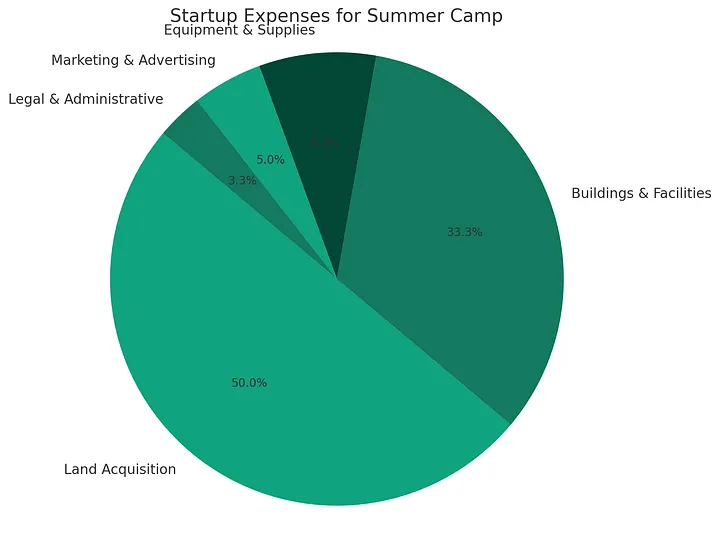
Startup Expenses

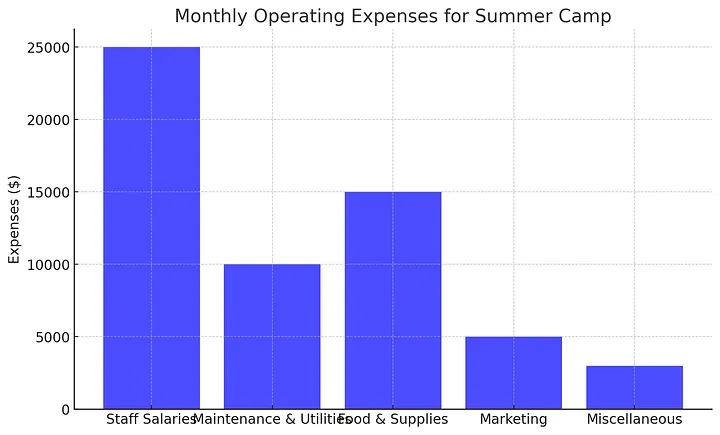
Monthly Operating Expenses

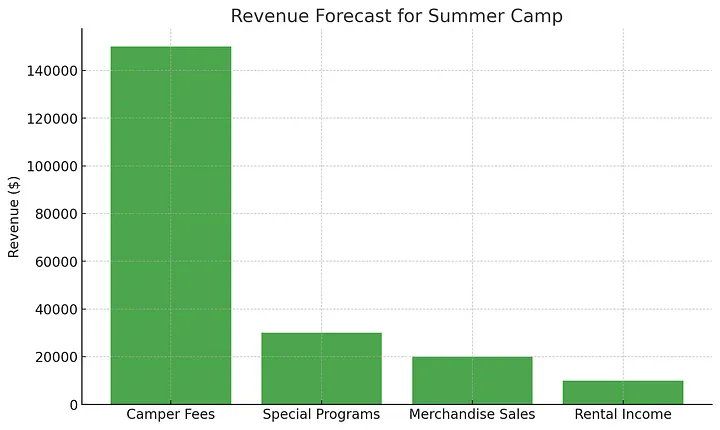
Revenue Forecast

Frequently Asked Questions

What experience is needed to start a summer camp?

Prior experience working at or directing a summer camp is extremely helpful to understand the operations. If you don’t have direct camp experience, having a background in education, childcare, recreation or business management is useful. Bring in staff who have worked at camps previously.

How much does it cost to start a summer camp?

Startup costs vary widely based on the size of your camp and programs offered. Budget at least $25,000 — $200,000 to cover expenses like insurance, licensing, marketing, staff payroll, gear and equipment. Ongoing operating costs will run $200 — $500 per camper.

What is the ideal camper to counselor ratio?

The recommended ratio is around one counselor for every six campers. Ratios are often lower for younger children and higher for teens. Check your state’s regulations. Hire additional junior counselors if needed.

How do I hire camp staff?

Begin recruiting early, as the best candidates get snapped up quickly. Post job ads on college job boards, youth organizations’ sites and online. Interview for enthusiasm and experience over formal qualifications. Run thorough background checks. Require relevant training and certifications.

What activities should be offered at summer camp?

Consider your camp’s specialty, ages of campers and location. Standard favorites include sports, watersports, arts and crafts, music, drama, hiking, games, STEM activities and more. Have rainy day backup plans and evening events too.

How do I get the word out about my new camp?

Use social media, distribute flyers at schools, advertise in local papers, attend community events, send press releases to media outlets, and ask satisfied families from early camps to provide testimonials.

What safety policies should summer camps have?

Must-haves are nurse on duty, 24/7 contact for parents, visitor sign-ins, mandatory safety training and CPR for staff, missing camper drills, secure facilities, activity waivers and background checks for all employees.

How long should a summer camp session last?

Popular options are day camps, one week sessions, multiple week sessions, or full summer sessions. Offer flexibility so parents can choose what fits their schedule. Many camps also have a teen leadership program for older campers.

What is the ideal location for a summer camp?

Look for a property that offers swimming, hiking, sports fields and other amenities on-site if possible. Proximity to parks and nature areas is great too. Easy accessibility for campers and staff is key.
You May Also Like