15 Minutes Read
Creating A Winning Business Model
We see many entrepreneurs come to us with brilliant ideas an inventions, but the business model is lacking in some…

Last Updated: 12/17/2023
Have you always dreamed about being surrounded by books, that lovely Van Gogh-esque shop smell, and doing what you love all day? Well, there’s no time like the present to turn your passion into a business! Here’s a handy guide to making your used bookstore dreams come true.
Before diving into entrepreneurship, put your researcher hat on. Get to know your local community of bookworms. What genres and topics are hot right now? Scope out potential store locations with strong book-loving foot traffic. Learn the market rates for used books in different conditions. Map out your inventory strategy. Draft up a business plan with sales projections, estimated costs, and ideas for shelf layouts. Determine how much funding you’ll need — whether through loans, personal savings or maybe even crowdfunding. The more meticulous your prep, the smoother your launch.
Finding the right book nook location is vital. Look for areas near schools, cafes, parks — wherever fellow book enthusiasts congregate. Make sure there’s sufficient space for displays, seating, events, and heck maybe even a book-themed cafe. Give your store an inviting facade and display eye-catching titles in the window to draw in curious bibliophiles.
Need a Used Book Store Business Plan?
Create a custom business plan with financial projections and market research in minutes with ProAI’s business plan generator.
Before opening up shop, take care of all the legal, tax and insurance considerations to cover your assets — and books! Register your business, obtain licenses, and look into liability insurance. Nothing less fun than paperwork, but it must be done.
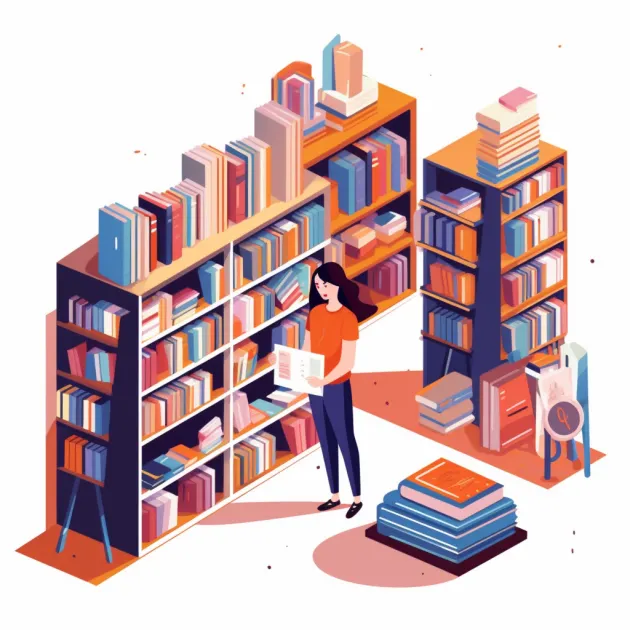
Now for the fun part — filling up those shelves with bound treasures! Scout out used books from yard sales, thrift stores, online resellers, auction sites, and your neighborhood “free box”. Go for variety — bestsellers, classics, niche topics, rare editions. Organize books by genre and arrange creatively. Refresh stock regularly to keep selection intriguing. Price competitively based on condition and demand. Consider reservable online stock.
Design your store to be as cozy and welcoming as your dream library/cafe hangout. Incorporate warm lighting, comfy seats, reading nooks. Add literary decor touches like wall quotes, bookshelf wallpaper, blackboard menus/signs. Provide warm drinks and small snacks to delight customers. You want your store to feel like a home away from home for book lovers.
Make customer service a top priority. Train staff to give thoughtful recommendations, share their own favorites, and foster an inviting atmosphere. Get to know regulars and their reading tastes so you can personally flag titles they’d enjoy. Offer a loyalty program with special member perks. Provide gift wrapping. Add little touches to make every visitor feel special.
Promote your store’s opening across all channels — social media, email newsletters, flyers around town, local newspaper ads. Highlight your diverse selection and any special services. Run weekly social media features on categories or new arrivals. Partner with nearby businesses for cross-promotion. Sponsor community events. The more buzz, the better!
Keep customers coming back by offering regular author events, book club meetings, children’s storytime, even book-related craft classes or workshops. These activities build community and give book lovers more reason to visit frequently. Ask patrons for suggestions on what special events they’d like to see.
At the end of the day, success stems from your passion. Stay nimble and keep learning as you grow. Take pride in the joy your cozy book nook brings fellow bibliophiles. Here’s wishing you smooth sailing on this exciting venture! Just take it one page at a time.
Need a Used Book Store Business Plan?
Create a custom business plan with financial projections and market research in minutes with ProAI’s business plan generator.

Q: What makes a used book store different from a regular bookstore?
A: A used book store primarily sells pre-owned books that have been previously owned and read by others. These books are often sourced from various channels, such as book sales, garage sales, and donations. Unlike regular bookstores that sell new books at retail prices, used bookstores offer more affordable options and sometimes rare or out-of-print editions that can’t be found easily in mainstream bookshops.
Q: How do I determine the right pricing for used books in my store?
A: Pricing used books involves considering factors like the book’s condition, rarity, and demand. Popular bestsellers or classic literature may command a slightly higher price, while books in excellent condition could also be priced a bit higher than those with signs of wear. Be sure to research similar books in the market and stay competitive while offering fair prices that attract customers.
Q: Is it essential to have an online presence for my used book store?
A: Yes, having an online presence is crucial in today’s digital age. An online platform, such as a website or social media page, allows you to showcase your inventory, share updates and events, and engage with your customers. This enables potential customers to browse your collection and reserve books before visiting your physical store, thereby increasing foot traffic and enhancing the overall customer experience.
Q: How can I keep my used book store engaging and bring in repeat customers?
A: Organizing events and workshops can help create a vibrant and engaging atmosphere in your store. Consider hosting book clubs, author readings, and literary workshops. Building a community around your store fosters a sense of belonging and encourages customers to return regularly. Additionally, offering excellent customer service, personalized book recommendations, and special loyalty discounts can also go a long way in building a loyal customer base.
Q: What are some effective marketing strategies for my used book store?
A: A mix of online and offline marketing strategies can work wonders. Utilize social media platforms to showcase your collection, share book recommendations, and promote events. Send out regular email newsletters to keep your customers informed about new arrivals and upcoming activities. Collaborate with local businesses for cross-promotion, and don’t forget the power of distributing flyers and posters in strategic locations to attract potential customers.
Q: How do I source books for my used book store?
A: There are various ways to source books for your store. Look for book sales or clearance events where you can find books at discounted prices. Garage sales and online marketplaces can be treasure troves for hidden gems. Additionally, don’t underestimate the value of community engagement; you can encourage book donations from locals looking to declutter their shelves.
Q: Can I run a used book store part-time or as a side business?
A: Absolutely! Running a used book store part-time or as a side business is a feasible option, especially if you have a passion for books but cannot commit to it full-time. You can start small and gradually expand as you gauge the response from your local community and assess the market’s potential.
Q: Is it necessary to be well-versed in literature to start a used book store?
A: While having a love for books and literature can certainly enhance your understanding of the market and customer preferences, it’s not an absolute necessity. You can always hire staff who are passionate about books and willing to learn about different genres. Engaging with your customers and listening to their preferences can also give you valuable insights into the books you should stock in your store.
Q: Can I sell other items along with used books in my store?
A: Yes, you can consider diversifying your store by offering related items like bookmarks, book-related merchandise, stationery, or even coffee and snacks to create a cozy reading environment. Just ensure that the additional items complement the essence of your used book store and don’t overshadow the main focus — books!