
Frequently Asked Questions
What are the most important things to consider when starting a waterpark?
Some of the key considerations include selecting the right location, creating a detailed business plan, designing a layout that maximizes guest experience, obtaining necessary permits and licenses, hiring qualified staff, investing heavily in safety, securing financing, and developing marketing strategies to attract visitors. Proper planning and preparation in all these areas is crucial for waterpark success.
How much does it cost to build a waterpark?
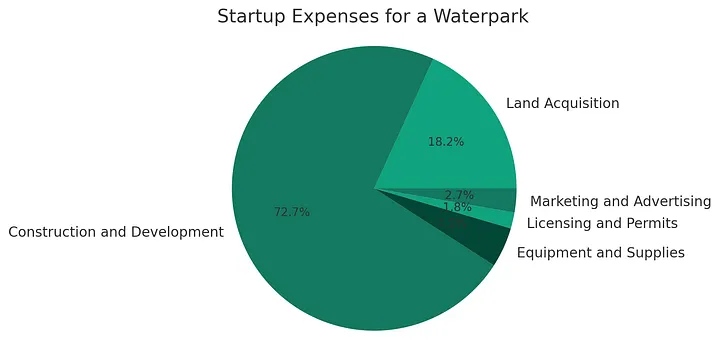
Costs can vary widely, but plan on investing millions of dollars to build a moderate-sized waterpark with multiple slides, pools, and attractions. A typical multi-acre outdoor waterpark with 40,000 square feet of facilities may cost $7-$12 million. Expenses will depend on park size, features included, construction materials, and local labor costs.
What ongoing costs will I need to budget for?
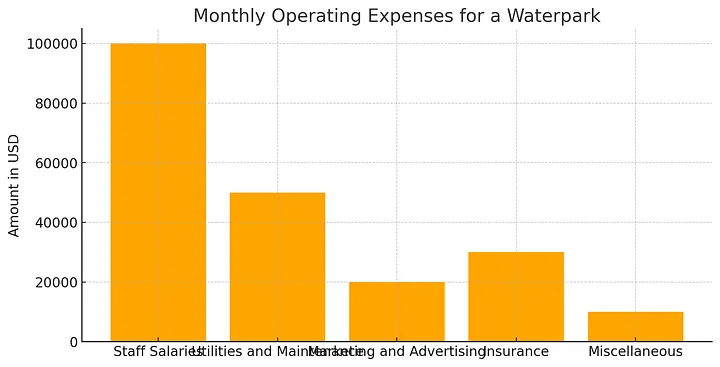
Key operating expenses include labor, utilities, water treatment chemicals, maintenance/repairs, insurance, marketing, security, supplies, and general administrative overhead. Budgeting $3-$6 in operating costs for every visitor is a good rule of thumb. Profitability relies on keeping these costs in check while maximizing attendance and ancillary revenue streams.
How much space do I need for a waterpark?
An absolute minimum of 3–5 acres is recommended for a small park. Medium parks around 10 acres can accommodate approximately 10 major slides and attractions. Larger destination waterparks of 50+ acres provide ample space for diverse amenities and recreation.
What should I pay employees as a new waterpark?
For lifeguards and ride operators, plan on $10-$15 per hour depending on experience. Supervisors and managers will earn $35,000-$60,000 or more annually. Executives at established waterparks can make well over $100,000. Adapt pay scales to match wages in your local labor market.
How do I fund the high startup costs?
Financing options include commercial loans, SBA loans, investors, crowdfunding, tapping personal assets, or partnerships with established hospitality brands. A combination of debt and equity financing is typical for new waterpark ventures. Generating strong revenue projections in your business plan will help convince lenders and investors.
What permits and approvals are needed?
Typical requirements involve land use permits, construction permits, operating licenses, safety/health inspections, fire code compliance, disability access compliance, water quality certifications, and reviews by various local and state regulating bodies. Hire consultants familiar with these processes.
How long does it take to open a new waterpark?
From site selection to opening day, expect the process to take at least 18–24 months including planning, design, approvals, construction, staff hiring, and pre-opening preparations. Securing financing can also lengthen timelines. A rushed opening increases chances of issues and delays.
What attractions appeal most to waterpark guests?
Must-haves like lazy rivers, wave pools, slides, and play structures for young children have broad appeal. Also consider thrill rides, water coasters, surf simulators, and splash areas tailored for pre-teens and adults. Family tube rides and multipassenger raft rides also rank among favorites.