15 Minutes Read
Creating A Winning Business Model
We see many entrepreneurs come to us with brilliant ideas an inventions, but the business model is lacking in some…


Last Updated: 12/17/2023
So you want to start a wine tour business? Pour yourself a glass and let’s get sipping on the details. Launching a successful wine tourism venture takes passion, planning, and a palate for great vino. Here’s a step-by-step guide to uncorking your very own wine tour company.
Who’s your dream customer? Are you looking to guide casual wine drinkers on scenic vineyards tours? Or provide master classes for true connoisseurs? Know your audience and tailor tours to their interests. Market research is key to narrow in on the demographics and preferences of potential clients.
Every pour needs a good foundation. Map out your goals, financial projections, and step-by-step strategies in a comprehensive business plan. Include nitty-gritty details like planned tour capacity, group sizes, duration, and pricing. This will serve as your roadmap for getting the business bottled up.
Need a Wine Tour Business Plan?
Create a custom business plan with financial projections and market research in minutes with ProAI’s business plan generator.
Make sure your business is legit — that means acquiring all required alcohol, transportation, and operational licenses. Rules vary by region, so research regulations and connect with local agencies. Cover your business by obtaining necessary insurance policies as well.
Choose a region bursting with wineries and stunning scenery. Partner with local vineyards to give your tour guests VIP access and personalized experiences. Location significantly impacts your ability to offer unique, exclusive opportunities.
Success is all about who you know! Use your passion for wine to network and form connections with winemakers. Attend industry events and tastings. Strong winery relationships equal insider access to tastings, tours, and tidbits to enrich your customers’ experiences.
Create distinctive, curated itineraries tailored to client interests. Offer food pairings, blending workshops, cellar tours, and more. Mix up the varieties so guests enjoy diverse flavors and perspectives on every sip-filled adventure.
Safety and comfort are paramount when clients are riding high on wine tasting. Invest in quality vehicles and develop partnerships with transportation providers. Give your guests a smooth, enjoyable ride.
Let your passion shine through an engaging website, social media, and targeted marketing materials. Share your team’s expertise, beautiful tour photos, and rave customer reviews. Spend time crafting a compelling digital presence and brand narrative.
Spread the word through collaborations, incentives, and promotions. Partner with local tourism boards, hotels, and tour companies for cross-promotional opportunities. Offer discounts for referrals and early sign-ups. A mix of digital and traditional techniques will widen your reach.
Satisfied guests make the best marketers. Invest time and resources into customer service and quality control training for staff. Manage reviews and feedback closely. Nothing speaks louder than happy clients enjoying your amazing wine tours!
By following this checklist for starting a wine tour business, you’ll be ready to bring your entrepreneurial dreams to fruition. Stay flexible, think creatively, and most importantly — have fun! Wine tourism offers an intoxicating blend of business and pleasure. Here’s to many successful vintages ahead!
Need a Wine Tour Business Plan?
Create a custom business plan with financial projections and market research in minutes with ProAI’s business plan generator.
Q: How much experience do I need in the wine industry to start a wine tour business?
A: While having some background knowledge in the wine industry can be beneficial, it’s not a strict requirement. What matters most is your passion for wine and your willingness to learn. Surround yourself with wine enthusiasts, attend tastings, and build relationships with winemakers to deepen your understanding of the industry.
Q: What are the typical operating costs for a wine tour business?
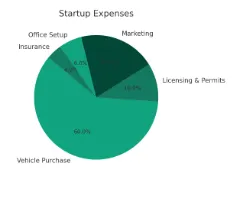
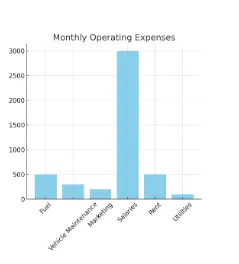
A: The operating costs can vary depending on the scale of your business and location. Some common expenses include permits and licenses, transportation costs, marketing and advertising, staff salaries, insurance, and maintenance of vehicles or equipment. Creating a comprehensive business plan will help you estimate and manage these costs effectively.
Q: How do I choose the best location for my wine tour business?
A: Research regions with thriving wine industries and diverse wineries. Consider factors like accessibility, scenic beauty, and the range of experiences offered by the wineries. Engage with local tourism boards and wineries to understand the potential for collaboration and partnership.
Q: Do I need a specific type of vehicle for wine tours?
A: While there isn’t a one-size-fits-all answer, comfortable and safe transportation is essential for wine tours. Depending on the size of your tours and budget, you may opt for vans, minibusses, or partner with established transportation companies.
Q: How can I stand out from other wine tour businesses in the area?
A: Differentiate yourself by offering unique and engaging experiences. Tailor your tours to cater to different interests, such as food pairings, blending workshops, or exclusive behind-the-scenes access at wineries. Building strong relationships with wineries and emphasizing top-notch customer service will also set you apart from the competition.
Q: Are there any legal requirements I need to be aware of when operating a wine tour business?
A: Yes, starting a wine tour business involves various legal considerations. You’ll need permits and licenses to transport passengers, serve alcohol, and operate as a business. Liability insurance and health and safety certifications may also be necessary. Research your local and regional regulations and consult with legal professionals to ensure compliance.
Q: How can I market my wine tour business effectively?
A: Develop a robust online presence through a well-designed website and active social media engagement. Collaborate with local hotels, travel agencies, and tourism boards for mutual promotions. Offer incentives like discounts and referral rewards to attract customers. Remember that word-of-mouth marketing is powerful, so prioritize customer satisfaction to generate positive reviews and recommendations.
Q: What is the ideal group size for wine tours?
A: The ideal group size can vary depending on the capacity of your transportation and the type of experience you aim to provide. Small groups of around 8 to 12 people often allow for a more personalized and intimate experience. However, larger groups can be profitable if you can maintain the quality of service.
Q: How do I handle emergencies or unexpected situations during wine tours?
A: Prioritize safety by having a well-thought-out contingency plan in place. Train your staff to handle emergencies and communicate with participants clearly. Keep emergency contacts on hand, and ensure your vehicles are equipped with necessary safety equipment.
Q: Can I offer wine tours year-round, or are there seasonal considerations?
A: The wine tourism industry may experience fluctuations based on the seasons and climate of your chosen region. Some wineries might have limited availability during certain times of the year, such as during harvest season. Plan your tour schedules accordingly and consider offering themed tours to accommodate seasonal changes.