


Frequently Asked Questions
Q: What type of insurance should I get for an art lessons business?
A: You should look into getting general liability insurance to protect against property damage, injuries, or other incidents that may happen in your studio. Also consider business property insurance to cover equipment and inventory. Workers compensation insurance is required if you have employees.
Q: Do I need a background check on instructors?
A: Yes, it is highly recommended to run background checks on any instructors you hire for children’s classes. This helps ensure you don’t hire anyone with a criminal history that could put students at risk.
Q: How much should I invest upfront in starting an art lessons business?
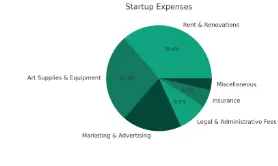
A: Plan on several thousand dollars at minimum to cover costs like licensing and permits, art supplies and studio equipment, website development, marketing materials, insurance, rent, and operating expenses for the first few months. Have savings to cover operating at a loss initially.
Q: What qualifications do I need to teach art lessons?
A: No specific qualifications are legally required, but any education or experience you have in art like formal training, an art degree, teaching certificate, or prior instruction will give you credibility. Highlight your skills and background when marketing.
Q: How long should an art lesson session last?
A: Lessons typically range from 1–3 hours depending on the type of class. Beginner sessions focusing on fundamentals can be shorter. Longer workshops are better for more advanced techniques. Also offer flexibility — some students may prefer longer or shorter lessons.
Q: Should I allow students to just drop in for classes or require advanced enrollment?
A: Requiring enrollment in a full course or series of classes is best to have committed students. However, also consider offering shorter workshops for drop-ins — this provides more flexibility for interested new students to try your lessons out.
Q: What techniques can I use to advertise an art lessons business?
A: Start with grassroots marketing by handing out flyers, speaking at schools and community centers, contacting local media, and leveraging word-of-mouth. Create a robust online presence with a website, social media, ads, and local business listings. Partner with related businesses to cross-promote.