FAQs
Q: How much does it cost to start an online store?
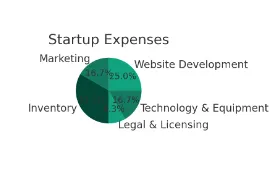
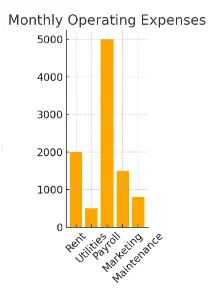
The startup costs for an ecommerce business can vary widely, but you should plan for at least $1,000 — $5,000 to cover initial expenses like your website platform, domain registration, marketing materials, product inventory, and more. Ongoing monthly costs will include your ecommerce software subscription, payment processing fees, web hosting, and advertising.
Q: Do I need to incorporate my business or form an LLC?
Forming a business entity like an LLC is recommended for ecommerce stores to protect your personal assets from any business liabilities. Speak with an accountant or lawyer to determine the best structure for your situation. As a sole proprietorship, your personal assets are at risk.
Q: How do I source products to sell in my store?
Popular methods for sourcing ecommerce product inventory include dropshipping, wholesale suppliers, manufacturers, distributors and other retailers. Ensure suppliers can provide high-quality products at wholesale pricing with reliable order fulfillment.
Q: What shipping options should I offer customers?
Offer customers affordable shipping options by integrating with major carriers like USPS, UPS, FedEx and DHL. Provide choices like ground, 2-day, next-day, and free shipping for orders over a minimum purchase amount.
Q: How important is marketing for an online store?
Marketing and promotion will be critical for driving traffic to your ecommerce store. Plan to implement strategies like SEO, email marketing, social media, online advertising, content creation, and reaching out to influencers/media.
Q: What payments should I accept on my website?
At minimum, allow customers to pay with major credit cards like Visa, Mastercard, and American Express. Also offer alternate online payment options like PayPal, Amazon Pay and Apple Pay.
Q: How do I make sure my website is secure?
Follow best practices for website security like using HTTPS, implementing reCAPTCHA, protecting admin access with strong passwords, and leveraging tools like web application firewalls.
Q: What are some tips for providing great customer service?
Respond promptly to customer emails and inquiries, ship orders quickly, send tracking info, follow up after purchases, monitor social media, offer convenient contact options like chat or phone support, post FAQs and policies on your site, and make returns/exchanges easy.