15 Minutes Read
Creating A Winning Business Model
We see many entrepreneurs come to us with brilliant ideas an inventions, but the business model is lacking in some…


Last Updated: 12/17/2023
Do you love throwing parties and have mad organizational skills? Have you always dreamed of turning your passion into a career? Well, my friend, now is the time to start that event planning business you’ve been dreaming about!
The event industry is BOOMING, expected to be worth over $500 billion by 2028. Whether you want to plan weddings, corporate shindigs, b-day bashes or charity galas, talented event planners are in major demand.
So how do you go from event planning enthusiast to boss business owner? Here’s my step-by-step guide to making that event planning business a reality:
First things first — decide what type of events light your fire. Many planners specialize in specific events like weddings, corporate functions or private dinner parties. Think about your unique skills and interests. Your niche defines your target clients and the services you offer. For instance, a wedding planner provides totally different services than a corporate event pro. So get crystal clear on your specialty from the start.
Need a Event Planning Business Plan?
Create a custom business plan with financial projections and market research in minutes with ProAI’s business plan generator.
Now it’s time to level up your event planning skills and cred. Look into classes, training programs or certifications to master your niche, whether it’s weddings, corporate events or more. Hands-on experience is clutch too — see if an established event company will let you intern and learn the ropes. Stay on top of industry trends and best practices so you become the go-to expert in your hood.
Your biz plan is the roadmap for starting and growing your empire. Map out your business goals, ideal clients, startup costs, pricing, marketing plan and profit projections. Research competitors and how you’ll stand out. Define your company mission, vision and brand vibe. Also pick the right legal structure — will you be a sole proprietorship, LLC or corporation?
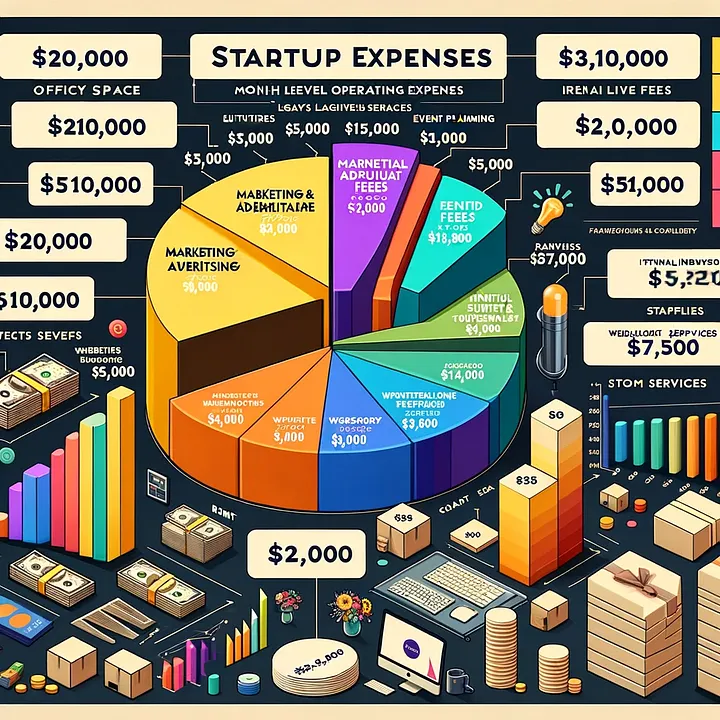
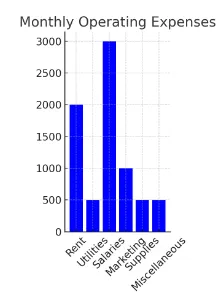
Add up those startup costs — licenses, website, equipment, marketing materials, insurance. Explore funding options like small biz loans, crowdfunding, grants, personal savings and credit cards. Many event planners bootstrap at first. Keep spend low, save up a few months of operating expenses before diving in.
Form an LLC or S-Corp to protect your personal assets. Consult a lawyer for the best legal structure for you. You’ll register your biz, get an EIN, and obtain local licenses. Take care of all the legal stuff upfront.
Now create your brand identity — name, logo, slogan, website, social media. Convey your creativity, passion, and organization skills. A polished, memorable brand hooks clients. Make your website, biz cards, proposals, and marketing materials all match your slick brand vibe.
Your website markets your biz 24/7. Buy a domain name and secure web hosting. Use WordPress or Squarespace to make an easy, gorgeous site. Showcase services, past events, testimonials, contact info. Optimize content for SEO and make that site mobile-friendly.
You’ll have to hustle at first with no reputation yet. Attend local networking events. Partner with vendors. Pitch yourself to local media. Email marketing. Social media. Promos. Provide kick-ass service and value so new clients refer you to everyone they know.
Start promoting 3–6 months pre-launch. Offer discounts or limited packages to hook those critical early clients. Reach out to your personal and professional contacts. Partner with complementary vendors. Pounce on any leads or inquiries ASAP. Ask happy new clients for reviews to build credibility. Take on smaller events at first to gain experience and portfolio pieces.
Get the best tools to plan events smoothly and professionally. Event planning software like The Events Calendar is clutch. QuickBooks for finances. Basecamp for project management. A nice camera for photos. Provide an online portal for clients. Assemble planning kits with checklists, templates, contact lists, etc.
Find ways to wow clients that competitors don’t. Get creative with venues, menus, entertainment, decor. Offer flexible custom packages. Provide hands-on support. Be meticulous with details. Follow up post-event for feedback. Identify ways to create next-level event experiences. Exceed expectations consistently.
Your success depends on understanding client needs and building trust. Have in-depth consultations to understand their vision and logistics. Communicate frequently with updates. Be responsive 24/7. Make suggestions based on your expertise but clients have final say. Set clear policies upfront regarding scope, contracts, payment, cancellations, etc. Manage expectations and deliver the dream event.
Starting the biz is just the beginning. Focus on awesome service, reinvesting profits, and improving processes. Keep up with industry changes and tech. Expand services over time. Automate and outsource what you can. Get client feedback and keep enhancing. Eventually hire team members to meet demand. Grow through partnerships and a killer reputation.
With careful planning and hustle, you CAN turn your event planning passion into a thriving biz. Bring your creative vision and mad skills to the party. Approach clients with patience, flexibility and dedication to excellence. Follow these steps and you’ll be on your way to planning success!
Need a Event Planning Business Plan?
Create a custom business plan with financial projections and market research in minutes with ProAI’s business plan generator.
How much does it cost to start an event planning business?
Startup costs vary widely but expect to spend at least $2,000-$5,000 on initial expenses like licensing, event planning software, office supplies, marketing materials, website development, and insurance. Many planners bootstrap their business from personal savings initially.
What skills and experience do I need to be an event planner?
Strong organizational abilities, project management, budgeting, negotiation, multi-tasking and problem-solving skills are essential. Experience planning events either personally or professionally is very helpful. Related education in hospitality, communications or business can prepare you as well.
Do I need an event planning certification?
No, there are no mandatory certifications required, but completing a certificate program demonstrates your knowledge and can give you a competitive edge. There are certificate programs specifically for corporate event planners, wedding planners, and other niches.
How do I choose my event planning niche?
Select the type of events you are most passionate about and skilled at coordinating, whether it be weddings, corporate functions, fundraising galas, birthday parties or other social events. Your niche defines your target audience and services.
What legal business structure should I form?
Most planners structure their businesses as sole proprietorships, LLCs or S corporations. Consult an attorney to determine the best option based on your situation. You’ll need to register your business and obtain required licenses.
How much can event planners earn?
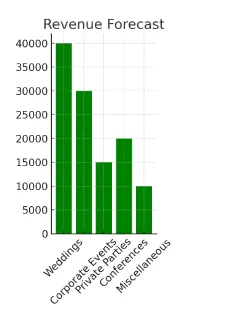
According to the Bureau of Labor Statistics, the average salary for event planners is around $51,000. Earnings vary based on your experience, location, niche and number of events handled. Established planners can make $75,000 or more.
How do I market my new event planning business?
Strategies like networking, partnering with vendors, social media marketing, SEO, email campaigns, promotions and word-of-mouth referrals are effective. Delivering exceptional service is the best long-term strategy.
What resources and tools should I invest in?
Event planning software, photography equipment, vendor contact lists, project management tools, an online client portal, forms, checklists and templates will optimize your operations.
How can I stand out from the competition?
Go above and beyond for clients with unique venues, customized packages, hands-on support, creative touches and post-event follow up. Offer diverse services, be meticulous in your execution, and leverage positive reviews.