
startup
15 Minutes Read

How to Start an Illustration Business in 2023

Last Updated: 12/17/2023 Starting an Illustration Business: The Complete Guide If you want to turn your artistic talents into a career, starting your own illustration business is an exciting option!…

Last Updated: 12/17/2023

Starting an Illustration Business: The Complete Guide

If you want to turn your artistic talents into a career, starting your own illustration business is an exciting option! But before you dive in, you’ll need to do some planning to set yourself up for success.

One of the first big decisions is picking a business structure. For illustration businesses, most people go with either a sole proprietorship, partnership, LLC or S-corp. I’d suggest talking to an accountant or lawyer to figure out the best choice for your situation. The paperwork and legal requirements vary quite a bit between them.

Registering Your New Business

Once you’ve settled on a structure, it’s time to make it official by registering your business. The steps depend on where you live, but you’ll probably need to choose a business name, file some documents, and get necessary licenses. Don’t forget to register for state and local taxes too! It might seem tedious, but this process makes sure everything’s by the book before you open for business.

Need a Illustration Business Plan?

Create a custom business plan with financial projections and market research in minutes with ProAI’s business plan generator.

Creating a Brand Identity

Standing out is crucial for attracting illustration clients in a competitive industry. Start by designing a logo that represents your personal artistic style. Then build out other branded elements like your website, business cards, letterhead, and social media to create a cohesive look across all platforms. Don’t forget an “about me” page — this is a great spot to connect with potential clients by explaining your approach and vision.

Setting Up Your Studio

For optimal creativity and productivity, set up a dedicated studio space if possible. Look for a spot with great natural light and room to spread out. Invest in key equipment like a drawing tablet, design programs, a comfy chair, and a spacious desk. Staying organized is also super important — have storage for supplies and filing systems for paperwork.

Building Your Portfolio

An amazing portfolio that shows off your illustration skills will be crucial for getting work. Curate your 15–20 best pieces in different styles and mediums. Display them prominently on your website and social media. Print some for in-person meetings too. If you’re just starting out, offer to do free samples for family, friends or local businesses to build your portfolio.

Defining Your Niche

Figure out what illustration services you want to offer based on your talents, interests and ideal clients. Book illustrations, advertising, entertainment concept art, scientific illustrations — there are so many options! It’s smart to specialize at first as you build a reputation in one or two areas. Then you can expand your offerings later on.

Pricing Your Work

Do some research to set competitive rates based on industry averages, your experience, and location. Newer illustrators often charge $25–50 per hour, while highly skilled pros can get $100+. Consider package pricing for common projects like children’s books. Don’t undervalue yourself, but you can adjust prices later when demand goes up. Post rates clearly on your website too.

Get Organized

Running any business involves a mix of creative work and administrative tasks. Stay on top of everything by creating templates for contracts, invoices, accounting, project management, etc. Use calendars, schedules and apps like Trello or Asana to stick to deadlines. And be sure to block out regular studio time in your schedule!

Marketing Your Business

Once your business basics are covered, it’s go time for getting the word out! Attend industry events and network online and in-person to connect with potential clients. Promote yourself through your website, social media, local art fairs, galleries, and targeted ads. Consider offering discounted intro packages or free samples to build your portfolio and get referrals.

Continuing to Improve

As an illustrator, it’s important to always keep growing your skills. Make time to regularly practice and take on personal projects. Set goals to learn new styles and mediums so you keep expanding as an artist. Take classes and workshops when possible. Studying the fundamentals will strengthen your core illustration abilities.

The illustration world is constantly changing, so staying curious and improving your craft is key for continued success. But if you combine your artistic talents with smart business practices, you can absolutely thrive as an illustration entrepreneur. Here’s to making a profitable and fulfilling career out of your passion!

Need a Illustration Business Plan?

Create a custom business plan with financial projections and market research in minutes with ProAI’s business plan generator.

Illustration Financial Forecasts

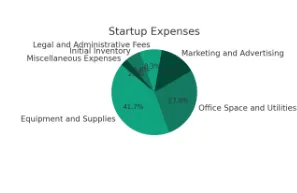
Startup Expenses

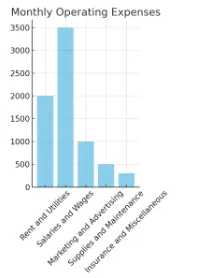
Monthly Operating Expenses

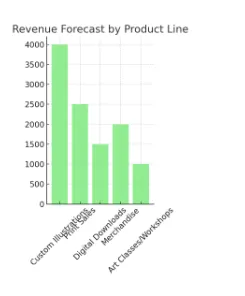
Revenue Forecast

FAQ

What legal steps do I need to take to start an illustration business?

You’ll need to choose a business structure, register your business with the proper government agencies, apply for any necessary licenses and permits, and set up accounting and tax registration. Most illustration businesses operate as sole proprietorships, LLCs, or S-corps. Consult a lawyer or accountant to determine the best option.

Do I need insurance as an illustration business?

Yes, it’s highly recommended to have business insurance. General liability insurance protects against property damage or bodily injuries. Professional liability insurance (errors & omissions) covers damages if you make a mistake. Other options are cyber insurance, equipment coverage, and business interruption insurance.

How much money do I need to start an illustration business?

You can launch an illustration business for less than $1,000 if you already have basic equipment and work from home. Budget around $5,000-$10,000 to cover branding, website, legal/accounting fees, insurance, studio furnishings, art supplies, marketing, and 6 months operating costs.

What’s the best way to find illustration clients?

Leverage your website, social media, portfolio, and online directories to get found by potential clients. Attend networking events and industry conferences. Do pro bono or discounted work to build your portfolio and get referrals. Partner with complementary creatives like graphic designers or copywriters.

Should I specialize or offer a range of illustration services?

It’s best to start by specializing in one or two areas while building your reputation. For example, focus on book illustrations or product renderings based on your interests and strengths. As you become established, you can diversify your services. Make sure your website showcases your specialty.

How can I make my illustration business stand out?

Showcase your unique artistic style through consistent branding. Provide exceptional customer service and communication. Go above and beyond on projects to encourage referrals. Stay on top of trends and continue expanding your skills. Consider offering additional value like workshops or tutorials.

What software and equipment do I need?

Essential tools are a computer, drawing tablet, Adobe Creative Cloud, reliable internet, office supplies, and art/drawing materials. Look into project management, accounting, and contract templates or software. Your studio should have great lighting and workspace plus storage for supplies.

You May Also Like