
15 Minutes Read
Creating A Winning Business Model
We see many entrepreneurs come to us with brilliant ideas an inventions, but the business model is lacking in some…


Last Updated: 12/17/2023
Are you looking to start a limousine taxi business? The limousine taxi industry is booming, and now is the perfect time to capitalize on this opportunity. By crafting a thoughtful business plan, you can set your business up for success and longevity. A comprehensive limousine taxi business plan provides an outline for all the key elements needed to run a successful business, including financials, marketing strategies, customer service plans, and legal requirements. Read on for what to include in your limousine taxi business plan and how to make it stand out.
A well-crafted limousine taxi business plan is essential for any new business. It provides a roadmap for success by outlining key operational details, growth strategies, target markets, and financial projections. It can also be used to attract investors and secure funding. A strong business plan helps you:
•Set realistic goals and a path for future growth.
•Stand out from competitors.
•Identify your target market and the best way to reach them.
• forecast revenues, costs, cash flow, and profitability.
•Determine if your business concept is viable and identify any potential issues.
Need a Limousine Taxi Business Plan?
Create a custom business plan with financial projections and market research in minutes with ProAI’s business plan generator.
Writing a comprehensive business plan may seem like an overwhelming task. Breaking it down into sections makes the process much more manageable. The key components to include are:
Your executive summary should provide a high-level overview of your business plan. Keep it brief, around 1–2 pages, highlighting your mission, business concept, target market, competitive advantage, business model, and key financial projections. As this is often the first part read, it’s important to make it compelling while summarizing the key details of your plan.
Describe your business in detail including business structure, location, mission and vision. Discuss your relevant experience and qualifications. State your business goals and outline a basic market summary to show your understanding of industry trends and opportunities.
Your market analysis should evaluate your industry, target market, and competitors. Assess industry trends, opportunities and risks, then identify your specific target customers. Do a competitive analysis of major competitors including their products/services, pricing, locations, and market share. Explain your competitive advantage and how you’ll capture market share. Discuss your sales funnel and strategies to attract and retain customers.
Outline all services you plan to offer and the features/options for each. Explain how your services meet customer needs and differ from competitors. Discuss add-on services and how they’ll enhance the customer experience. Price your services competitively and forecast sales for each.
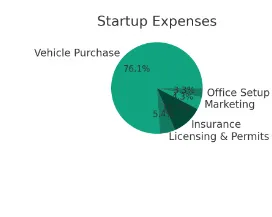
Describe the vehicles you’ll operate including make, model, year, mileage and overall condition. Ensure all vehicles meet safety standards and legal requirements. Include costs to purchase and maintain your fleet as well as any financing details. Your vehicles significantly impact customer experience and brand image, so choose wisely.
Discuss permits, licenses, zoning laws and other regulations you must comply with. Obtain required insurance policies like public liability, professional indemnity and fleet coverage. Include costs for each policy and show you’ve adequately protected your business from various risks.
Your drivers directly impact customer service, safety, and brand reputation. Outline criteria to hire professional, experienced drivers with a hospitality focus. Include screening, training, and evaluation procedures to ensure high quality. Discuss compensation and incentives to attract and retain top talent. A detailed driver plan proves you’ll provide exceptional service.
Give an overview of your market including key statistics on your target customers. Assess trends and growth opportunities as well as potential threats. Discuss how your business is well-positioned to succeed in this market. Outline your marketing and sales strategies including paid advertising, social media, networking, promotions and partnerships. Forecast associated costs and the resulting impact on sales. Show how you’ll gain market share and build a loyal customer base.
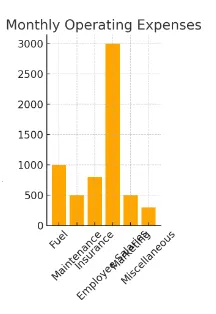
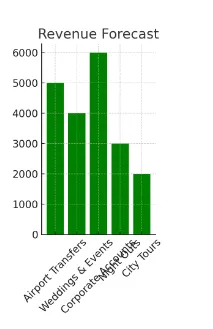
Create income statements forecasting revenues and expenses over 3–5 years. Itemize expenses including salaries, vehicles, maintenance, marketing, loans, rent, etc. Provide cash flow statements, balance sheets, target sales for each service, and key financial ratios and metrics. Conduct sensitivity analyses to account for potential risks and downturns. Include funding requirements and details on potential capital sources such as investors or lenders. Your financials prove if your business model is viable, as well as identify appropriate funding and operational needs.
Identify partners, consultants or any external resources critical for operations, growth and success. Include operational details related to vendors, facilities, equipment, systems, and customer service. Discuss general business management and roles/responsibilities. Outline priorities and action plans for each stage of growth. Consider day to day requirements to run your business more efficiently.
Need a Limousine Taxi Business Plan?
Create a custom business plan with financial projections and market research in minutes with ProAI’s business plan generator.
Why do I need insurance for my limousine taxi business?
Insurance protects your business from various liabilities and unforeseen circumstances. Required policies typically include:
•Public liability insurance — Covers injury or property damage claims from customers or third parties.
•Professional indemnity insurance — Protects from errors, negligence or malpractice claims.
•Fleet insurance — Covers vehicles, drivers and passengers in the event of an accident.
•Motor vehicle insurance — Mandatory coverage for business vehicles in most areas.
•Workers compensation — Covers lost wages and medical care for employees injured on the job.
What type of business structure should I choose?
The most common options for limousine taxi businesses are:
•Sole proprietorship — Simple but unlimited personal liability.
•Partnership — Shared ownership and unlimited liability.
•Corporation — Separate legal entity that limits personal liability but more complex to set up.
•Limited Liability Company or LLC — Limits personal liability and simpler to establish than a corporation. The most popular choice.
The structure you choose depends on your business needs and priorities as well as legal and tax implications. It’s best to consult an attorney or accountant to determine the optimal option.
How do I attract and retain the best drivers?
To attract high quality drivers:
•Offer competitive pay including basic salary with potential performance bonuses
•Provide ongoing training and opportunities for growth
•Incentivize safe driving and high customer ratings
•Give drivers a say/input in business operations and customer service
•Foster a welcoming work environment where drivers feel supported and valued
How can I fund my limousine taxi business?
Common funding options for limousine taxi businesses include:
•Personal savings and assets — Use your own funds to start or expand your business. Low risk but limits growth potential.
•Business loans — Borrow money from a bank or credit union to be repaid with interest over time. Requires good credit and collateral.
•Crowdfunding — Raise money from multiple individuals online. Easy to set up but success depends on your campaign and there is no guarantee of raising funds.
•Angel investors — Private individuals invest money in your business for an ownership stake. Beneficial for generating buzz and leveraging investor expertise but you must give up equity and control.
•Venture capital — Professional investors inject large amounts of money for equity in high-growth businesses. Only suitable for businesses with huge potential to scale but high risk.
•Grants — Money that does not need to be paid back. Usually highly competitive and only for specific purposes. Time-consuming to apply but worth exploring if you meet qualifications.
The best approach depends on your funding needs, business stage, risk tolerance and growth goals. Multiple options can be combined for maximum benefit. Research requirements and meet with potential funders to determine good fits for your limousine taxi business.