
15 Minutes Read
Creating A Winning Business Model
We see many entrepreneurs come to us with brilliant ideas an inventions, but the business model is lacking in some…

Last Updated: 12/17/2023
If you want to launch a successful management consulting firm, crafting a comprehensive business plan is one of the first steps you should take. A solid plan outlines your company’s goals and how you’ll achieve them. It also helps potential investors and lenders evaluate your business’s potential and understand the risks. Creating a great management consulting business plan requires extensive research, thoughtful analysis, and a deep understanding of your target market. In this guide, I’ll provide the tools and resources you need to build a business plan that will set you up for success.
Writing a management consulting business plan is crucial for anyone starting a consulting firm. Without a proper plan, you risk investing significant time and money into a venture doomed to fail. A well-crafted plan will help you stand out and attract potential investors. It will also provide a roadmap to guide your success and help you measure progress. By clearly outlining your goals, objectives, and strategies, you’ll have the information to make informed decisions and build a successful business.
Need a Management Consulting Business Plan?
Create a custom business plan with financial projections and market research in minutes with ProAI’s business plan generator.
A comprehensive management consulting business plan is essential for any business that wants to succeed in this competitive industry. To help you get started, I’ve identified the key elements to include in your plan. You can adjust the order to reflect priority for your audience.
A management consulting business plan should always start with an executive summary. An executive summary acts as both an introduction and a high-level overview of your entire plan. Its main goal is to draw the reader in and encourage them to read the full plan.
Common executive summary elements include:
•Your mission statement
•Your proposed concept
•Your execution strategy
•A brief look at potential costs
•Expected return on investment
•Client needs analysis
•Services provided
•Unique selling points
An executive summary is critical if you want investors to fund your business. Rather than combing through the entire plan, they can review the summary to get the key highlights.
This section should provide an overview of your management consulting company. Start by outlining your mission, vision, and values. Also include details on your services, management team experience, and how you stand out from competitors.
The second part of this section should focus on your target market. Include information on market size, client types, and other relevant data. Also analyze your competition and how you’ll differentiate yourself. Finally, discuss your goals and objectives for 2023 and beyond.
What’s the current state of the management consulting industry? Research current trends and explain to investors why your business will be competitive. Highlight areas where you’ll have an edge over competitors.
Who’s your target market? What demographics will you target? Explain to investors who your ideal customers are and why they’ll choose you over others.
What other management consulting firms operate locally? What services do they offer? How will you differentiate your services from theirs? Explain to investors how your business will differ and why customers will choose you instead.
How will you market your services? What strategies will you use to reach your target market? Explain to investors how you plan to build your customer base and promote your services.
Services are key to a management consulting business plan. You must clearly define the services you offer and how exactly you’ll help businesses.
Start by outlining your service packages. Research the market to determine what clients want and need. Include how you’ll market and attract clients.
Provide a pricing structure for each service. Also include plans to offer additional services in the future. This shows investors you aim to expand.
Finally, outline policies and procedures to ensure service quality. This helps potential clients understand what they can expect.
Employees are the backbone of any successful business. As a management consultant, your team will be key to providing value to clients. Your staffing plan should include enough employees to handle the workload while controlling costs.
Describe your current team and plans to hire more. Include qualifications, job titles, responsibilities, salary, and benefits.
Outline your onboarding, training, and performance management plans. Management consulting requires specialized knowledge, so you must ensure your team stays up-to-date with the latest strategies.
Success in management consulting depends on acquiring clients. Without clients, you’ll have no business. To show investors you have a viable client acquisition plan, include strategies in your business plan.
Start by creating an ideal customer profile to focus on target clients. Consider company size, industry, and other criteria relevant to your services.
Next, create an acquisition plan using digital or traditional marketing based on your budget and resources.
Finally, set a goal to acquire a specific number of clients in the next year and break it into smaller, achievable goals. This shows investors your expectations and growth plan.
Location is key to success in management consulting. Carefully evaluate potential sites based on access to clients and resources, available talent, and cost of doing business.
Consider how your location will impact your brand and reputation. Are there local regulations or restrictions affecting your business? Existing competitors or potential partners?
Review the location’s long-term potential. Will the area grow? How might local market changes impact your business? Choosing the best location helps ensure your success.
To succeed in management consulting, understand your market. Conduct market research, a key part of your business plan. It provides insight into the current market, competitors, and their pricing/services.
Analyze market size, growth, consumer/business demographics, new entrants, and demand for your services. Consider technology trends like automation and digital transformation.
Understanding your market helps you succeed. Identify weaknesses or gaps to exploit. Gain insight into competitors’ strategies to develop your own competitive edge.
Include a detailed strategy to reach and acquire target clients through online and offline methods like networking, email campaigns, and social media.
Provide a marketing budget and outline promotions/incentives to attract new clients. If a startup, consider a referral program or partnering with other businesses to spread the word.
Highlight how you’ll engage existing clients through email newsletters, industry insights, or other content to retain them.
Add a plan to track marketing ROI so you can adjust your strategy as needed.
Enlist external help from consulting companies and professionals after finishing your management consulting business plan. Consulting companies provide valuable advice you may miss otherwise. They can also help refine your plan to ensure all pieces are in place.
Consider hiring an accountant to review financial projections. Accountants identify risks, opportunities, and assumption inaccuracies. They provide a second opinion to ensure accuracy.
Reach out to mentors, advisors, and industry professionals for advice and guidance launching your business. Their experience and expertise help you better understand the industry and gain confidence to succeed.
Financial analysis is important for any consulting business plan. Use this section to outline your financial health.
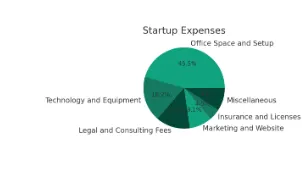
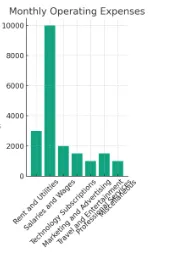
Create a detailed list of projected expenses and income including fixed costs like rent, salaries, and utilities and variable costs like supplies, travel, and marketing.
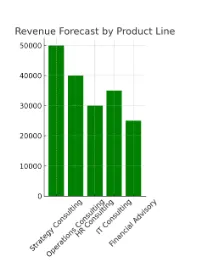
Use this information to build income statements, balance sheets, and cash flow statements showing your current state and future projections. Include a break-even analysis indicating when you’ll become profitable.
With a thorough financial analysis, investors will better understand your consulting business’s financial potential.
Need a Management Consulting Business Plan?
Create a custom business plan with financial projections and market research in minutes with ProAI’s business plan generator.
Why should I create a business plan for my management consulting firm?
A good business plan is essential for any new business. For a management consulting firm, it helps you outline how you will provide value to clients, determine key business processes, set financial goals, and attract investors. It provides a roadmap to keep your business on track for success.
What are the key sections I should include in my management consulting business plan?
The key sections in a management consulting business plan include:
•Executive Summary — A high-level overview of your business plan.
•Company Description — Details about your mission, vision, services, and competitive advantage.
•Market Analysis — Research on your industry, target market, competition, and marketing plan.
•Services — The consulting services you provide and your pricing structure.
•Employees — Your staffing, training, and performance management plans.
•Client Acquisition — Strategies for reaching and retaining clients.
•Location — Information on your business location and why it’s optimal.
•Market Overview — Insight into the current state of the market and opportunities for your business.
•Marketing — Details on how you will promote your services and engage clients.
•External Help — Plans to leverage consulting companies, accountants, mentors, and other professionals.
•Financial Analysis — Projections on expenses, income, financial statements, and break-even point.
How long should a management consulting business plan be?
A good management consulting business plan is typically 15 to 30 pages long. The exact length will depend on how much detail you need to provide given your business’s complexity.