
15 Minutes Read
Creating A Winning Business Model
We see many entrepreneurs come to us with brilliant ideas an inventions, but the business model is lacking in some…

Last Updated: 12/17/2023
The maternity clothing industry has experienced significant growth in recent years and is projected to continue expanding over the coming years. As more expectant mothers search for fashionable and comfortable clothing options to suit their changing bodies and lifestyles, now is an ideal time to launch a maternity clothing business. However, before opening your doors, you’ll need to develop a well-written business plan. A business plan outlines your business goals, strategies, and tactics to chart a course for success. In this article, we’ll provide guidance for writing a maternity clothing business plan in 2023, including key components, examples, and tips.
Owning a maternity clothing boutique can be a rewarding way to provide expectant mothers stylish and comfortable clothing during pregnancy. However, to ensure success, a carefully crafted business plan is essential. A maternity clothing business plan helps determine if your business concept is viable and how you will achieve profitability. It should include a market analysis, financial projections, and a marketing plan. An effective maternity clothing business plan also helps identify which products to sell and your target customers. Additionally, it can assist in securing financing from investors, banks, or other sources. A well-developed maternity clothing business plan is vital to the success of your business.
Need a Maternity Clothing Business Plan?
Create a custom business plan with financial projections and market research in minutes with ProAI’s business plan generator.
Writing a business plan for a maternity clothing store requires extensive research and planning. You need to consider the location and target market, develop a pricing strategy, create a marketing plan, and more. To get started, here are the key elements to include in a maternity clothing business plan:
The executive summary is the first step in writing a maternity clothing business plan. This section provides an overview of your proposed business concept, mission statement, cost projections, and return on investment (ROI).
Your mission statement succinctly describes your business and provides insight into the products you plan to sell. It should be concise yet informative, capturing the essence of your maternity clothing business.
When writing your plan, provide an overview of executing your proposed concept, including market research, competitor analysis, pricing information, and marketing strategy.
Include a high-level look at potential costs and expected returns to help potential investors understand the financial requirements and potential ROI of investing in your maternity clothing business.
A well-written executive summary draws the reader in and compels them to read further. It should be concise while providing a clear overview of your proposed concept.
This section fully introduces your company. Begin with your company name and details like location, contact information, ownership details, and owner experience.
The second part highlights your legal business structure and clearly outlines short and long-term goals. Provide a brief market study showing you understand maternity clothing market trends and why your business will succeed.
Understanding the maternity clothing industry is key to your success. Research the industry size, scope, competitors, and target customer demographics. This knowledge will help make informed decisions about pricing, products, and marketing.
Analyze competitors’ pricing, products, and marketing to determine your unique advantages and disadvantages.
Research your target market size, scope, demographics, and trends to develop effective marketing and pricing strategies.
Identifying and understanding your target market is essential for success. Research your ideal customers’ age, gender, location, lifestyle, income, and other details to create a detailed buyer persona and understand their needs. Provide products meeting those needs.
Consider market size and trends to make better product and marketing decisions.
Pricing is critical to a successful maternity clothing business plan. Decide on markups and how to price products based on market research and competitor analysis.
Consider production costs, materials, labor, discounts, promotions, pricing policies, adjustments, returns, and other customer issues.
Consider dynamic pricing, adjusting based on demand, or subscription models, a monthly fee for products. Your pricing strategy should reflect your target customer, brand image, and business goals.
Think strategically and create a plan setting you up for success.
Establish a budget for marketing, including digital marketing and social media, which are cost-effective for reaching a broad audience. Focus on one or two main channels if resources are limited, tailored to your target audience. Create content and campaigns suited to them.
Have a plan to track and measure marketing to understand what is and isn’t working and make adjustments.
The operations plan details your day-to-day procedures, including staffing, production, shipping, inventory management, customer service. It includes milestones for when components will be operational.
If making clothing, provide the process details including materials, time, and other steps. If outsourcing, include factory details and estimated production times. Include vendor information for materials and supplies with estimated shipping times.
Outline operational processes like payment and customer service systems. Include strategies to stay organized e.g., inventory management systems.
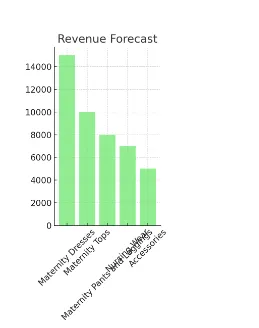
The financial plan is key and includes income statements, balance sheets, and cash flow projections for three years minimum with estimates of startup and operating costs.
Include marketing budgets, inventory, staffing costs. It shows the financial health and potential profitability, helping investors understand.
Include a financial forecast accounting for maternity clothing market and economic changes to prepare for downturns or shifts.
Understand your strengths, weaknesses, opportunities, and threats (SWOT) by researching the maternity clothing market including demographics, spending, trends, and competition.
Analyze strengths, weaknesses, opportunities, and threats. Think about what makes your business unique and where you can stand out. Consider weaknesses to address and opportunities to grow and succeed. Be aware of potential threats.
Develop an effective strategy to help your business succeed based on a thorough SWOT analysis.
Business risks exist, so create a risk management plan identifying potential risks and strategies to avoid them.
Researching the maternity clothing industry helps identify potential risks like changing fashions, competition, economic downturns.
Create a plan to manage risks with preventative measures and emergency protocols. Have a financial plan for emergencies, e.g., capital reserves or lines of credit.
A comprehensive risk management plan prepares you for potential risks when launching your business.
Starting a maternity clothing business has legal considerations. Be aware of laws and regulations in your city, state, and country affecting your business.
Register with appropriate agencies, e.g., the IRS, to obtain business licenses and permits or licenses. You may need to pay taxes like sales tax and register for employee benefits.
Be aware of regulations around manufacturing and selling maternity clothing, e.g., the Consumer Product Safety Improvement Act of 2008. Know labor laws like the Fair Labor Standards Act governing overtime, minimum wage, and other regulations.
Consult a lawyer to ensure you comply with all laws. They can help draft contracts and legal documents protecting your business and customers.
Need a Maternity Clothing Business Plan?
Create a custom business plan with financial projections and market research in minutes with ProAI’s business plan generator.
Do I need any special licenses or permits to sell maternity clothing?
You will need general business licenses and permits required to operate a retail store in your city and state. Some areas may require additional licensing for clothing retailers. Check with your city clerk’s office and state department of revenue for details.
How much money do I need to start a maternity clothing business?
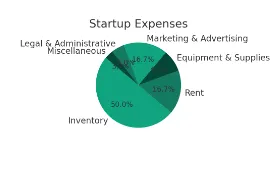
Startup costs for a maternity clothing business can range from $50,000 to $250,000 or more depending on factors like:
•Location — Rent and build-out costs will vary significantly based on your city and retail space.
•Inventory — The amount and type of maternity clothing, accessories, and other products you plan to sell. Basic inventory may start around $25,000 to $50,000.
•Employees — Additional costs for salaries, training, and benefits if you plan to have employees. Many small maternity boutiques are started as sole proprietorships or with just a few employees.
•Fixtures and equipment — Include costs for a POS system, changing rooms, display fixtures, signage, etc. Budget at least $10,000 to $30,000 for build-out and equipment.
•Marketing — allocate at least $5,000 to $10,000 for initial marketing and advertising to let expectant moms know you’re open for business.
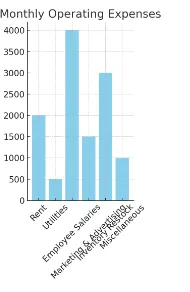
•Additional expenses — Account for expenses like utilities, insurance, accounting services, and unexpected costs. Total first-year expenses could exceed $100,000.
Having access to capital through personal funds, investors, crowdfunding, bank loans, and lines of credit is essential for a successful maternity clothing shop launch.