15 Minutes Read
Creating A Winning Business Model
We see many entrepreneurs come to us with brilliant ideas an inventions, but the business model is lacking in some…


Last Updated: 12/17/2023
Are you considering opening a microbrew bar? It’s a great business opportunity and could be your dream come true if you plan it right. But starting and running a successful business requires careful planning. This is where a microbrew bar business plan comes in. A comprehensive business plan increases your chances of success and helps make your microbrew bar dream a reality. In this article, we’ll provide an overview of what to include in a microbrew bar business plan, along with tips and examples to get you started.
A business plan is your roadmap to success. It outlines your goals, financial projections, and strategies to achieve them. It’s required to present to investors and helps anticipate challenges, develop solutions, and avoid pitfalls. Though difficult, investing in a thorough plan leads to rewards like a successful business.
Need a Microbrew Bar Business Plan?
Create a custom business plan with financial projections and market research in minutes with ProAI’s business plan generator.
Starting a microbrew bar takes more than loving craft beer. A business plan is essential. To get started, here are the key elements to include:
An executive summary introduces your plan and business idea. It should include:
– Mission statement
– Concept
– Execution strategy
– Cost estimates
– Expected return on investment
Keep it concise while conveying essential details about your microbrew bar and potential ROI. Explain the concept, unique attributes, market analysis, and financial projections.
Introduce your company, including:
– Name and location
– Owner information and experience
– Legal structure and short/long-term goals
– Brief market study showing you understand trends and will succeed
Divide into three parts:
Discuss craft beer industry trends, growth, and target markets. Explain how you’ll fit in.
Identify competitors, their offerings, and your uniqueness. Explain how you’ll differentiate in the local market.
Discuss how you’ll target customers, marketing campaigns, and build relationships. Explain your online presence and how you’ll reach the community.
Your selection should be comprehensive and diverse, including:
– Local, regional, and national brews
– Seasonal and specialty options
– Consider local tastes and trends
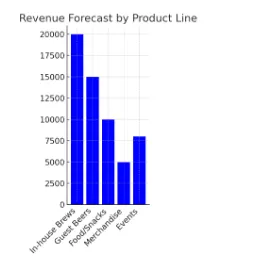
Include your list of tap/bottled beers and pricing. This shows potential investors your offerings and expected revenue.
Your staffing plan should consider:
– Types of staff and required skills
– Number of staff based on sales and size
– Costs like wages, benefits, and turnover
– How you’ll manage staff with policies, training, and reviews
A comprehensive staffing plan helps ensure success.
Consider:
– Large population of drinkers with easy access for suppliers and transport
– Compliance with zoning and liquor laws
– Competition, strengths, and weaknesses
– Detailed marketing plan to reach customers
Your location is key to reaching the right customers.
Discuss your target market, including:
– Demographics like age, gender, ethnicity and income
– Market size and share you’ll capture
– Industry trends and how you’ll leverage them
– Regulations and their impact
– Customer base, needs, preferences, and how they currently buy beer
Knowing your customers is key to success.
Discuss how you’ll:
– Identify target customers and reach them
– Create a website, social media, flyers, brochures
– Reach out to local media
– Use digital marketing like SEO, PPC, influencer marketing and loyalty programs
– Get customer feedback to improve
Marketing is critical to launching a successful microbrew bar.
You may need help from:
– Consultants: Check references, reviews, experience, agree on timelines, deliverables, payment terms.
– Partners or mentors: Do due diligence to get the best help. Ensure they understand the industry and microbrews. Establish clear agreements.
External help can offer invaluable advice and ensure your plan is sound.
Include:
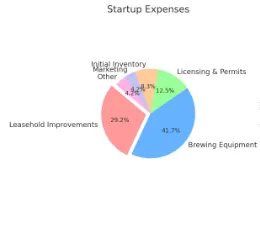
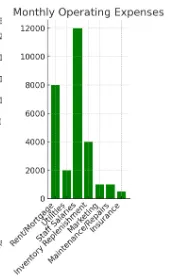
– Start-up costs, operational costs, profit estimates
– Break-even analysis, profit/loss statement, cash flow projections
– Risks/rewards assessment
Financial analysis shows how much you need to get started, potential ROI, and factors affecting success. This helps secure funding and launch your microbrew bar.
Need a Microbrew Bar Business Plan?
Create a custom business plan with financial projections and market research in minutes with ProAI’s business plan generator.
Do I need a business plan for a microbrew bar?
Yes, a comprehensive business plan is essential for opening a successful microbrew bar. It helps outline your vision, secure funding, anticipate challenges, and roadmap your path to success.
How do I write a business plan for a microbrew bar?
Refer to the sections outlined in this article. Do thorough research on your industry, competition, target market, and financials. Develop a marketing plan and consider how you’ll reach customers. Include important details about your concept, staff, location, and beer selections. See examples of other microbrew bar business plans for reference. While tedious, a carefully crafted business plan leads to rewards.
What should I include in my executive summary?
An executive summary introduces your microbrew bar business plan. Keep it concise, around 1–2 pages. Include your mission statement, business concept, key success strategies, financial estimates, and expected ROI. The executive summary should capture the reader’s interest so they want to learn more.
How important is a business plan for opening a microbrew bar?
A comprehensive business plan is critical for successfully opening a microbrew bar. It:
•Outlines your vision and roadmap to achieve it.
•Helps secure funding from investors by demonstrating a well-thought out concept.
•Anticipates challenges and helps develop solutions to overcome them.
•Estimates start-up costs, operational expenses, and potential revenue to ensure financial viability.
•Serves as an important reference document to keep you on track.
Without a solid plan, the odds of failure increase significantly. The time invested upfront in crafting your business plan leads to the reward of opening a successful microbrew bar.