FAQ
Q: How much does it cost to start a painting contractors business?
A: The cost to start a painting contractors business can vary significantly depending on factors like your location, experience level, and equipment needs. Some estimates to consider:
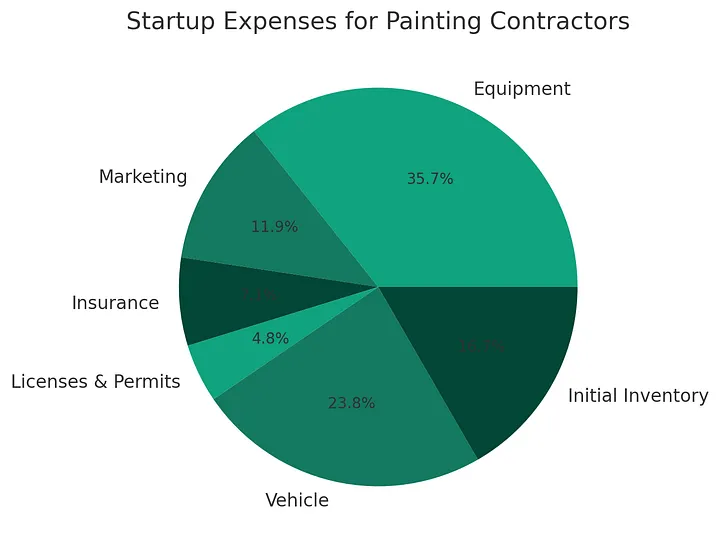
• Initial start-up costs: $10,000-$50,000. This includes licensing, insurance, marketing materials, website, accounting software, phone service, etc.
• Equipment costs: $5,000-$20,000 for essential items like brushes, rollers, drop cloths, ladders, sprayers, etc.
• Vehicle costs: $20,000-$50,000 if purchasing a work truck. Leasing a vehicle will have lower upfront costs.
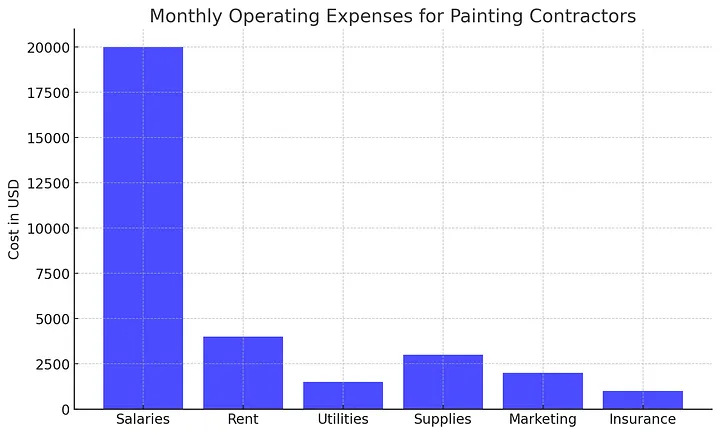
• Employee costs: At least $3,000-$5,000 per employee for wages, benefits, and payroll taxes.
In total, you can expect to invest $30,000-$100,000 or more to start a professional painting contractors business. The key is starting small and growing over time.
Q: How long does it take to start a painting contractors business?
A: The time it takes to start a painting contractors business varies depending on factors like your location and business model. However, you can expect the overall process to take 2–6 months:
1. Develop your business plan: 1–2 months. This includes market research, creating financial projections, outlining your services, marketing plan, and operational details.
2. Secure financing and determine legal requirements: 1–3 months. Apply for loans or lines of credit and obtain proper licenses, permits, insurance, and registrations.
3. Recruit and train staff: 1–3 months. Hire qualified staff and train them on your business procedures. For a small start-up, this may only be 1 or 2 employees. You can add more as needed.
4. Obtain equipment and vehicles: 1–2 months. Purchase essential equipment, tools, and work vehicles for your team.
5. Begin marketing and sales: 1–2 months. Start advertising your services, building your website, and reaching out to potential customers. Schedule initial projects.
The key is not to rush the process. Take time to establish a solid foundation for success including securing funding, permits, staffing, equipment, and your first customers. Then continue developing, improving, and growing your business over the long run.