15 Minutes Read
Creating A Winning Business Model
We see many entrepreneurs come to us with brilliant ideas an inventions, but the business model is lacking in some…


If you’re considering a career as a real estate broker, having a solid business plan is essential. A business plan helps ensure you stay on track to achieve your goals and identify risks and opportunities. For a real estate brokerage, a good business plan includes sales and marketing strategies, financial projections, a timeline, and more.
A real estate broker business plan is crucial for launching a successful brokerage. It provides a roadmap for managing finances, staffing, and increasing profits. It shows how you’ll expand and gain a competitive edge. Developing a comprehensive plan is key to succeeding as a broker.
Need a Real Estate Broker Business Plan?
Create a custom business plan with financial projections and market research in minutes with ProAI’s business plan generator.
Writing a 2023 real estate broker business plan requires understanding the market and opportunities. Here are the main sections to include:
The executive summary introduces your business plan. It should include:
– Your mission statement
– Services offered
– Marketing strategy
– Cost estimates
– Expected ROI
The executive summary is key for attracting investors. They can get the highlights without reading the entire plan.
Introduce your brokerage, including:
– The business name and location
– Contact information
– Owner details and experience
– Legal standing and short/long-term goals
– Market analysis showing you understand trends and why you’ll succeed
The market analysis section has three parts:
Target Market: Identify your target market by researching demographics, location, income, etc. Explain why they’re ideal clients.
Competition Analysis: Analyze competitors to differentiate your business. Describe strategies you’ll use.
Marketing Analysis: Explain how you’ll reach your target market through advertising, networking, establishing a reputation, etc.
Detail the services you offer, like:
– Buying and selling properties
– Leasing
– Property management
Describe how you’ll market, price, and provide customer service for each service. Include policies and procedures.
Discuss recruiting, training, and retaining high-quality agents. Explain the types of agents you want, how you’ll recruit and train them, and incentives for them to stay. Include plans to provide tools for success like lead generation software, marketing materials, and virtual tours.
Choose a location close to your target market. Consider the property types you’ll handle, local trends, demographics, costs, competition, and growth potential.
Research market conditions, trends, competition, and growth in your area and real estate niche. Use the information to anticipate changes and tailor your services and plan. Understand your target demographic to meet their needs.
Detail marketing strategies and objectives based on researching your target market. Choose channels to reach them like social media, email, advertising, direct mail, etc. Include a budget to stay on track and choose effective tactics. Some can be costly, so focus on ROI.
Discuss any external professionals helping you like lawyers, accountants, web developers. Explain how they contribute to your comprehensive plan and success. For example, lawyers review contracts, accountants handle finances, and web developers generate online leads.
Do a financial analysis with income statements, expense budgets, capital expenditures, government funding, cash flow, and profitability projections.
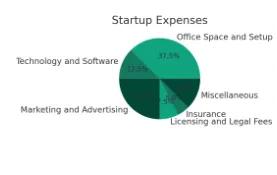
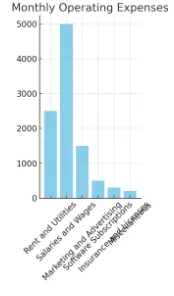
Create an expense budget including salaries, supplies, equipment, rent, utilities, etc. If hiring employees, estimate salaries and benefits. Include a capital budget for items like computers, furniture, and supplies.
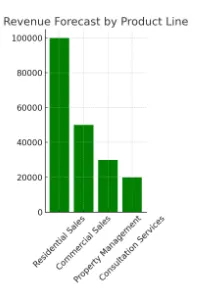
Project income from sources like commissions, leasing, and property management fees. Factor in any subsidies or incentives you’ll receive.
Calculate expected profits and create cash flow statements to show your brokerage’s financial health to investors. They want to know you’ll have enough capital to operate.
Need a Real Estate Broker Business Plan?
Create a custom business plan with financial projections and market research in minutes with ProAI’s business plan generator.