
15 Minutes Read
Creating A Winning Business Model
We see many entrepreneurs come to us with brilliant ideas an inventions, but the business model is lacking in some…


Are you considering starting your own real estate brokerage? The real estate industry offers many opportunities for entrepreneurs, but it requires careful planning and preparation. A comprehensive business plan is essential to ensuring you have the proper foundation and strategies in place to succeed. It will help you develop a clear plan for obtaining licenses, financing, marketing, and other key areas of running a business. In this article, we’ll provide everything you need to know to write a real estate brokerage business plan in 2023, including samples and helpful tips.
Creating a real estate brokerage business plan is crucial to launching your own real estate brokerage. A business plan helps define your goals and objectives while providing a roadmap to achieve them. Without a well-constructed plan, securing capital can be challenging. Additionally, a business plan allows you to create realistic financial forecasts and set reasonable goals. It serves as a reference document to track progress and make adjustments. A solid plan is essential for any entrepreneur starting a successful real estate brokerage.
Need a Real Estate Brokerage Business Plan?
Create a custom business plan with financial projections and market research in minutes with ProAI’s business plan generator.
A successful business plan considers factors like services, target market, location, and more. If you’re new, creating a plan can seem overwhelming. To get started, here are the key elements to include when writing a real estate brokerage business plan:
An executive summary introduces the plan to investors and summarizes the concept. Elements should include:
– Mission statement
– Proposed concept
– Execution plan
– Potential costs
– Expected ROI
An effective summary is concise but provides a comprehensive overview to capture attention and entice further reading. It lays out the long-term vision and what the business will look like once established. It’s a clear yet concise introduction allowing quick understanding of the idea and potential.
Introduce the brokerage name, location, contacts, owner details, and experience. Describe the legal standing, short and long-term goals, and include a brief market study showing you understand industry trends and why the brokerage will succeed.
The real estate brokerage industry is rapidly changing. Consider current trends and how they will impact your business. Provide data on the current market size and predicted growth. Include statistics helping investors understand the opportunity.
Research current brokerages in your area. What services do they offer? How do pricing and services compare? Explain how your brokerage will differ and compete.
Explain your marketing strategies for reaching potential customers. How will you differentiate from competitors? Include data and statistics demonstrating potential.
List detailed services offered, including traditional buying and selling and any specializations, e.g., luxury homes, first-time buyers, rentals. Describe how the company differs from competitors.
Explain how you will generate leads and market services. Identify the target audience and methods for reaching them. This helps investors understand potential success.
Finding the right employees is crucial. Write detailed job descriptions for each position, including duties, desired qualities, and required skills.
Use recruitment agencies, job boards, and social media to network and find candidates. Thoroughly vet candidates with interviews, reference and background checks. This ensures the best team to grow your brokerage.
Consider the geographical area, demographics, and affordability for clients. Research the market size, competition, and local economy. Ensure accessibility, public transit, and nearby businesses that could refer clients.
Research the local market, including median home prices, rental rates, vacancy rates, and trends. Are any areas expanding or oversaturated? Examine the competition, their services, marketing, and success. Consider your target customer base, how they search for properties, and expected services. This overview serves as the foundation for your plan.
Once the plan is in place, create a marketing strategy. Identify your audience, methods for reaching them, and valuable content. Include online (social, email, website) and offline (print, events) strategies with timelines and budgets. Consider partnerships and sponsorships with local businesses to reach your audience. Team up with other brokers for joint marketing campaigns. Comprehensive marketing generates leads and establishes your business as a trusted source.
Research the local industry, trends, popular home types, emerging areas, etc. Consider legal and financial advice. A lawyer helps with contracts and regulations. An accountant assists with finances and budgeting. Tap into resources for brokers like the National Association of Realtors and National Association of Real Estate Brokers for insight and networking.
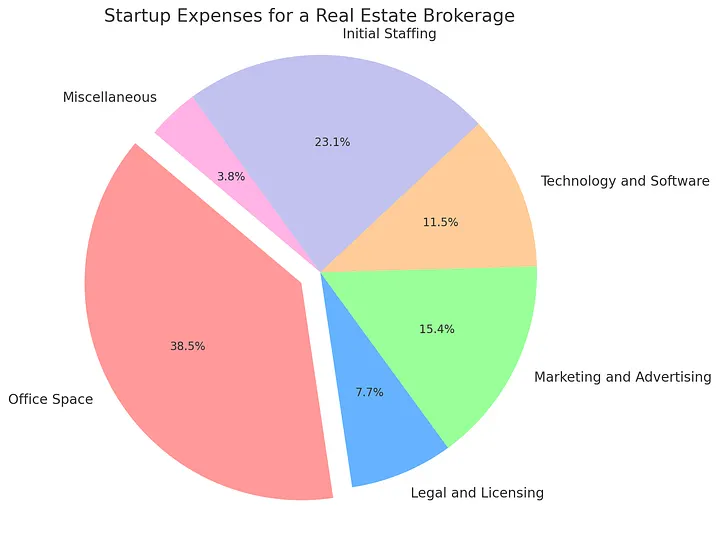
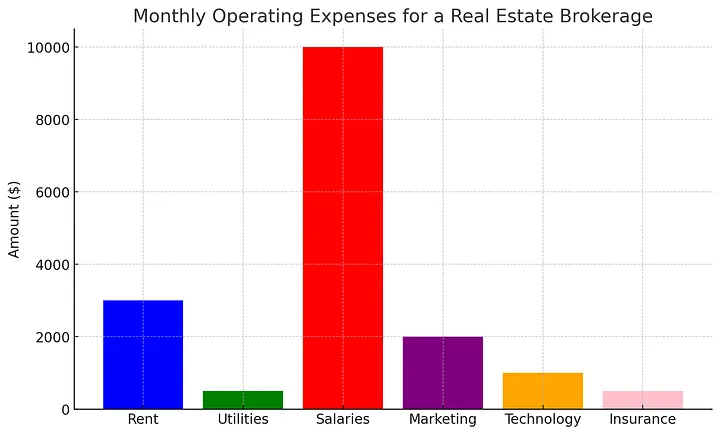
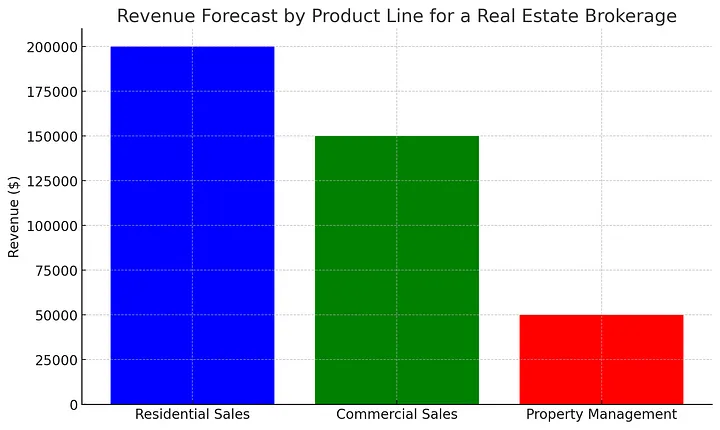
Financial projections based on research and target customers are most important. Include startup costs, expenses, revenue, and profit projections. This shows investors how much to invest and when to expect a return.
Include cash flow and debt repayment plans demonstrating liquidity and risks. Explain assumptions and why they are realistic. Investors understand the business and investment risks.
Need a Real Estate Brokerage Business Plan?
Create a custom business plan with financial projections and market research in minutes with ProAI’s business plan generator.
Q: How long should a real estate brokerage business plan be?
A: A real estate brokerage business plan should be comprehensive enough to cover all key areas of the business in detail but concise enough to keep the reader engaged. Typically 15 to 25 pages is a good target length. The executive summary should be 1 to 2 pages.
Q: How often should I review and update the business plan?
A: It is a good idea to review and update your real estate brokerage business plan at least annually or if there are any significant changes to your business model or the market. You want to make sure your business plan continues to reflect the realities of your business so you can make appropriate pivots or adjustments to your strategy.
Q: How do I create financial projections for a new real estate brokerage?
A: Creating financial projections for a new real estate brokerage requires making some estimates and assumptions. Start by estimating your startup costs and monthly operating expenses. Then estimate your potential revenue streams, such as commission from sales and property management fees. You can base revenue estimates on the performance of similar brokerages in your area or the national average. Be sure to also account for seasonality in the real estate industry. Build 3-year income statements, balance sheets, cash flow statements, and key metrics and ratios. Review and revise as needed.
Q: What key metrics and KPIs should I track for my real estate brokerage?
A: Some important key metrics and KPIs to track for a real estate brokerage include:
• Number of listings (new listings, active listings, sold listings)
• Sales volume
• Average sale price
• Number of agents
• Agent retention rate
• Commissions and fees revenue
• Profit and loss statements
• Monthly recurring revenue from property management (if offered)
• Website traffic and lead generation
• Customer acquisition costs
• Net promotor score from clients
Tracking and monitoring these KPIs will help you measure the performance and health of your real estate brokerage business. Be sure to review trends over time and make adjustments as needed to improve numbers.