15 Minutes Read
Creating A Winning Business Model
We see many entrepreneurs come to us with brilliant ideas an inventions, but the business model is lacking in some…

The urgency of tackling climate change is spurring more businesses to switch to renewable energy. This creates an opportunity for entrepreneurs with innovative solutions to convert waste into energy. To turn an idea into reality, you need a comprehensive business plan. A recycling energy conversion business plan outlines your proposed model and the steps to make it succeed. Here, we provide an overview of business plan components and tips to get started.
A recycling energy conversion business plan guides you through launching your green energy company. A well-developed plan helps secure funding to achieve your vision, identify risks, budget, and build a sustainable model to compete.
Need a Recycling Energy Conversion Business Plan?
Create a custom business plan with financial projections and market research in minutes with ProAI’s business plan generator.
While writing a business plan seems daunting, a good one provides a roadmap for starting your business and attracting investors. Here are the key elements to include:
Every plan starts with an executive summary — an overview of your concept, technology, execution, costs, and returns. As investors’ first impression, it should be compelling yet concise. Include:
– Mission statement
– Concept
– Execution
– Costs
– Return on investment
Introduce your business by providing its name, location, contact information, owners’ experience, legal standing, short- and long-term goals, market trends demonstrating success, and any intellectual property like patents.
Divide the market analysis into:
3.1 Industry Analysis: Discuss the renewable energy industry, key players, trends, and your place and potential.
3.2 Competition Analysis: Research competitors, their offerings and technology, and how you differ.
3.3 Marketing Analysis: Explain your marketing strategy, campaigns, partnerships, and promotions to reach your target market.
Describe your technology to convert waste into energy, equipment needs, processes, output, differences from existing tech, costs to purchase and maintain, risks and mitigation, timeline to operation, and energy forecast.
Detail staffing requirements, numbers, roles, qualifications, experience, compensation, benefits, training, and incentives.
Describe facilities, equipment, technology, equipment costs, installation and operation timelines, safety measures, environmental compliance, and processes. Include a facility map.
Discuss how your location offers resources for success, environmental conditions, renewable energy access, infrastructure, workforce, customer base, reach, and cost impacts.
Provide an overview of the industry’s current state, trends, key players, future outlook, target market size and demographics, and regulations and environmental issues. Explain how your plan addresses these and will remain competitive.
Discuss your target market, reach, channels (e.g., social media, advertising), messaging, differentiation strategies, campaign timelines, budgets, and metrics to track success.
Note any outside help for research, marketing, costs, benefits, partners/consultants, their services and costs, return on investment, and funding opportunities like grants you’ll pursue.
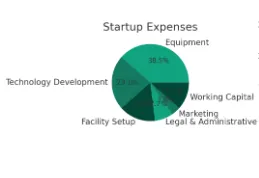
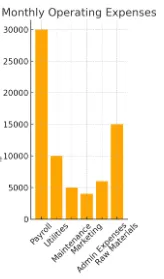
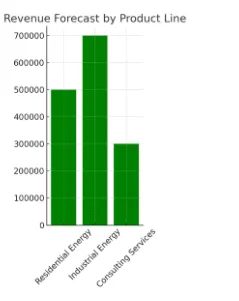
Outline your current financial situation, detailed one-year budget, five-year forecasts for revenue and expenses, break-even analysis showing viability and profitability, and risk mitigation.
Need a Recycling Energy Conversion Business Plan?
Create a custom business plan with financial projections and market research in minutes with ProAI’s business plan generator.
How much will it cost to develop a recycling energy conversion business plan?
The cost to develop a recycling energy conversion business plan can range from $5,000 to $25,000 or more, depending on the complexity of your business model and whether you hire a consultant to help create the plan. Much of the cost will depend on the amount of time required, typical rates in your area for financial and marketing professionals, and other expenses like research and analysis.
How long will it take to write a recycling energy conversion business plan?
Developing a comprehensive recycling energy conversion business plan typically takes between 3 to 6 months. The exact time will depend on factors like:
● The scope and complexity of your business model. More complex models will require more time.
● If you’re developing the plan yourself or hiring a consultant. Working with a consultant can speed up the process.
● How much research is required. Time must be spent analyzing the industry, competition, location, technology, etc.
● Revisions and edits. It usually takes several rounds of revisions before a plan is complete.
● Funding requirements. Seeking outside investment will require a more polished, professional plan and thus additional time.
Who should read and review my recycling energy conversion business plan?
It’s a good idea to get feedback on your recycling energy conversion business plan from multiple sources, including:
● Trusted business colleagues and mentors: Ask those with experience in your industry or target market to review and provide constructive criticism.
● Legal and financial professionals: If you’re seeking outside investment, have professionals review the plan to ensure you address regulatory, tax, and other financial considerations.
● Potential investors: Share the plan with investors to get their input before finalizing and using the plan to help raise capital. Be open to any suggestions for improvement.
● Local economic development organizations: Ask for a review from organizations that support local businesses and economic growth in your area. They may even provide grants or other funding if they see the plan’s merit.
● Community organizations and leaders: For a business focused on sustainability and environmental benefits, share your plan with local community organizations and leaders to build goodwill and support. Address any suggestions or concerns.
● Family and friends: Get input from people who know and support you. See if the plan makes sense to those less familiar with the technical details. Be prepared for honest but constructive feedback.
In summary, the more eyes on your recycling energy conversion business plan the better. But be selective about whose opinions you incorporate into the final plan.