15 Minutes Read
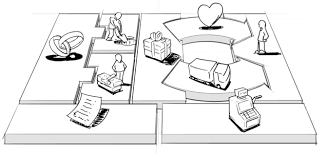
Creating A Winning Business Model
We see many entrepreneurs come to us with brilliant ideas an inventions, but the business model is lacking in some…


Are you planning to start a religious coffeeshop? If so, developing a comprehensive business plan is crucial to your success. A religious coffeeshop business plan outlines your objectives, strategies, and resources. It serves as a roadmap for your business and helps you make key decisions. In this article, we provide an overview of how to write a religious coffeeshop business plan in 2023, with helpful tips and examples.
A religious coffeeshop business plan is vital to your success. It provides a roadmap to navigate challenges and helps investors understand your potential. Your plan should include your business model, marketing strategy, financial projections, and competition analysis. It helps you stay organized, set goals, and ensure success.
Need a Religious Coffeeshop Business Plan?
Create a custom business plan with financial projections and market research in minutes with ProAI’s business plan generator.
A religious coffeeshop business plan considers your unique elements. Whether targeting a faith or creating a multi-faith space, understand your customers and their motivations.
Components of a Religious Coffeeshop Business Plan:
An executive summary introduces your plan. It highlights your mission statement, proposed concept, execution, startup costs, and return on investment.
The mission statement focuses on your religious purpose and values. The proposed concept provides your theme, menu, and target customers. The execution overview includes staff, marketing, and operations. Outline expected startup costs and return on investment.
The executive summary concisely overviews your plan to convince investors.
Introduce your company name, location, contacts, owner details, and experience. Highlight your legal standing, short and long-term goals, and market study showing you understand trends and will succeed.
Explain your industry, trends, and market size. Show how you fit in and capitalize on trends.
Research local religious coffeeshops. Compare prices, menus, hours, and marketing. Explain what sets you apart.
Explain how you will attract customers and differentiate from competitors. Detail reaching your target market and gaining a competitive advantage.
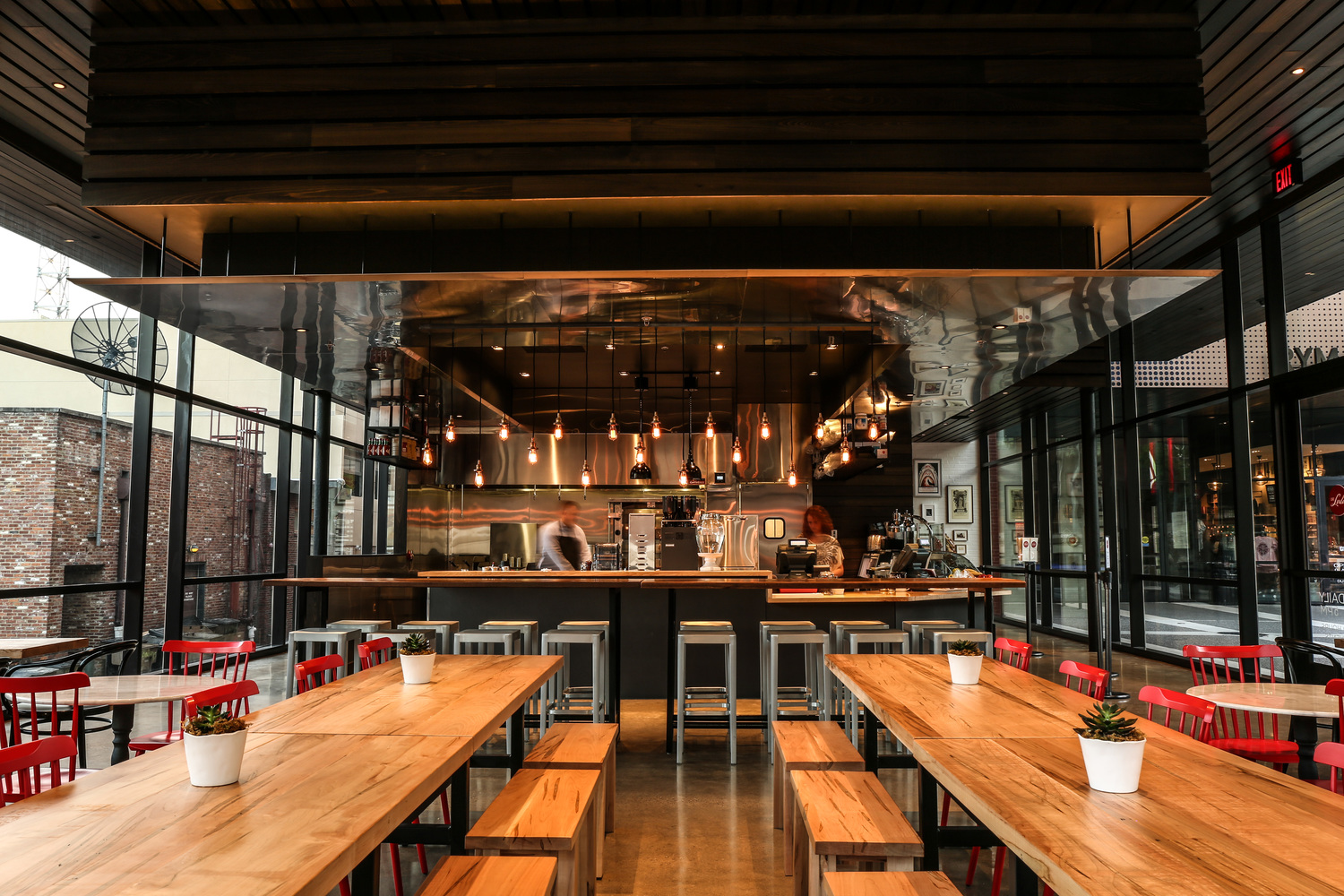
Consider music, decor, lighting, and how customers will feel. Will you provide a place for socializing, studying, retreat, relaxation, or excitement?
Include religious elements like symbols, scripture or art. Create a spiritual, peaceful ambiance reflecting your mission and goals.
Ensure employees represent your mission and values. Consider wages, benefits, and legal requirements. Use religious recruitment and local religious communities to find passionate employees.
Choose a convenient, visible location with demographics supporting your mission. Ensure local laws allow your practices and beliefs. Consider competition and costs of leasing or purchasing the space.
Include your values, beliefs, and practices. For a Christian coffeeshop, include beliefs on life, marriage, family and integration into your business. Discuss hiring and religious discussions with customers. Describe your atmosphere as a refuge, gathering place, or both.
Decide your messaging to reflect your values. Use organic search, social media, print and radio to reach your audience. Budget should focus on ROI. Strategy should explain reaching and messaging customers.
Hire legal, writing, and research professionals committed to your success. Legal advice meets community standards. Writing crafts your compelling mission narrative for investors. Research provides coffee market insights to understand customers.
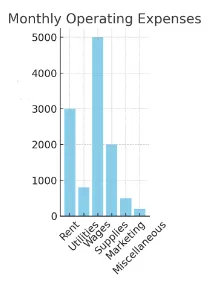
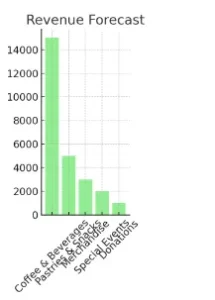
Include startup costs for equipment, supplies, permits, and licenses. Operating costs include rent, utilities, payroll, and marketing. Project future profits and losses based on sales forecasts. This shows viability to investors.
Need a Religious Coffeeshop Business Plan?
Create a custom business plan with financial projections and market research in minutes with ProAI’s business plan generator.
Q: How long should my business plan be?
A: Typically 15 to 30 pages long including visuals and appendixes. Focus on being concise while covering key elements.
Q: Do I need previous experience to start a religious coffeeshop?
A: Previous experience in business, coffeeshop operations or your faith helps but isn’t required. Many resources provide the knowledge and skills to develop a strong plan and team to overcome lack of direct experience. The most important qualities are passion for your mission and willingness to learn.
Q: How much does it cost to start a religious coffeeshop?
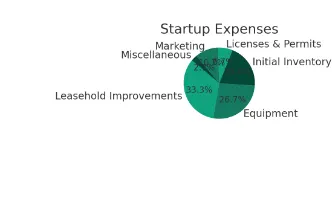
A: Costs vary but typically $50,000 to $200,000 or more. Major costs include:
● Research and business plan development: $5,000 to $20,000 or do yourself
● Space lease or purchase: $20,000 to $100,000 annually or more depending on location
● Building and space renovation: $5,000 to $50,000
● Equipment like espresso machines, registers, etc.: $15,000 to $50,000
● Initial inventory, marketing, and operating costs: $5,000 to $20,000
● Wages and employee costs: $15,000 to $50,000 annually
You’ll need funding from personal savings, investors, business loans or crowdfunding. Costs depend on factors like location, size, self-sufficiency and loans/investments.
Q: What are the key ingredients for success?
A: Key ingredients for a successful religious coffeeshop include:
● A clear mission and values shaping all areas of your business.
● High-quality coffee, food, service and ambiance reflecting your mission.
● A visible, accessible location with supportive demographics.
● Effective marketing reaching your target customers.
● Qualified, passionate staff committed to your mission.
● Adaptability to navigate challenges through knowledge, skills, and planning.
● Providing an experience that motivates customers to support your business.
With the right ingredients, plan and commitment to your mission, you can create a successful religious coffeeshop making a positive impact. Focus on quality, service and experience while adapting to overcome obstacles. Your success will depend on the value you provide to devoted customers.