15 Minutes Read
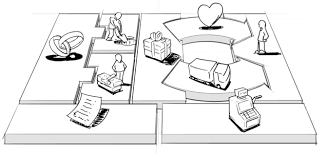
Creating A Winning Business Model
We see many entrepreneurs come to us with brilliant ideas an inventions, but the business model is lacking in some…

Are you looking to start a remodeling business? Whether you’re a seasoned contractor or a new entrepreneur just starting out, a well-crafted business plan is essential for success. A remodeling business plan outlines your vision, goals, and strategies for the future of your business. It also helps anticipate and plan for challenges, as well as identify areas for growth. In this article, we’ll provide an overview of how to write a remodeling business plan, including tips, samples, and advice to help you get your business up and running.
Remodeling businesses are popular as more people improve homes and increase property values. However, without a proper remodeling business plan, you may set yourself up for failure. A remodeling business plan determines scope, cost, and timeline. It ensures you have the skills and resources to complete the project and comply with regulations. A thorough plan increases success chances, ensures you stay on budget and schedule.
Need a Remodeling Business Plan?
Create a custom business plan with financial projections and market research in minutes with ProAI’s business plan generator.
A good business plan varies per project, considering scope, timeline, budget, materials, etc. If you’re new, creating a plan can be daunting. To help, here are key elements to include:
An executive summary overviews the entire plan, giving investors an idea of potential. It includes a mission statement, concept overview, execution summary, cost summary, and return on investment explanation.
The summary should draw the reader in and encourage reading the full plan. It provides enough information about scope and potential returns while being concise. It should provide a clear overview of the proposed business so the reader gets a sense of potential.
This section provides an overview, including name, location, contact information, and experience.
The second part outlines legal standing and short/long-term goals. A brief market study shows you understand trends in the regional remodeling industry and why the business will succeed. Include any competitive advantages like unique services or experienced staff. Summarize goals and objectives, e.g., increasing customers, growing revenue, expanding the business.
Research current economic climate and regulations in the remodeling industry. What are the current market size and expected growth trends? This section should provide current market conditions and opportunities.
Understand potential competitors and differentiate your business. What services/prices do they offer? What do they specialize in? Strengths/weaknesses? This section should overview competition comprehensively and explain how you’ll stand out.
Your strategy should match your target market and business qualities. What channels will you use to reach customers? How will you differentiate services? Promotions/discounts offered? This section should detail your marketing plan and how it will succeed.
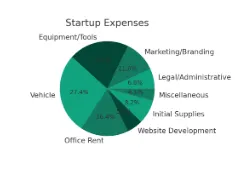
A realistic budget accounts for materials, labor, permits, and other project costs. Overestimate costs to prepare for unexpected expenses.
Include a reasonable buffer for unexpected costs to stay within budget. Speak with a professional about project cost accuracy.
Outline advertising, marketing, and promotion costs to stand out and attract new clients. Include digital marketing campaign costs like social media or search engine optimization.
Create a timeline for completing projects, including start/end dates for each task and estimated costs.
Include a list of subcontractors, architects, and suppliers for each project with estimated costs and important information.
Timeline marketing services, e.g., website creation, attending local events, social media campaigns. A clear timeline ensures marketing success and proper timing.
Understand materials needed, associated costs, and longevity. Choose quality, low-maintenance materials that save money long-term. Invest in energy-efficient materials to save on utility costs.
If renting/purchasing equipment, include costs in your budget and business plan. Calculate rental/purchase costs, fuel, and maintenance. You’ll have a comprehensive list of materials and equipment to complete the project.
The design is crucial. Consider what your customer wants and budget. Plan layout, materials, color scheme. Create a mood board to visualize the end result. Use design software to create a plan to follow. Take time with the design for the best end result.
Consider how the design affects functionality. Think about room flow and interaction. A good design is practical and beautiful.
Location is crucial. Decide on residential or commercial remodeling. For residential, choose target neighborhoods.
List potential expansion locations. Research the local market, popular remodeling projects, competition, and regulations. This helps better price and promote services.
Consider marketing to promote your business. Do it yourself or hire marketing professionals? How will you reach your target market: ads, social media, word of mouth?
Consider cost of each marketing endeavor to have a proper budget. Factor in materials, labor, and other unexpected costs. Track campaign effectiveness to understand what works and adapt accordingly. Success comes from quickly adapting to changing markets and trends.
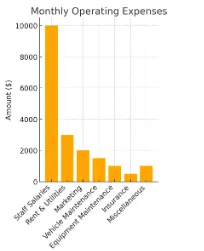
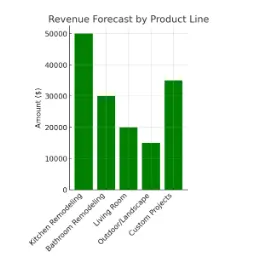
Financial analysis is the backbone of any plan. Include detailed sales and expense projections, helping investors understand your full financial picture and ensuring viability.
Start by forecasting sales via remodeling project costs. Add operating expenses like labor, materials, advertising, and running costs.
Include a cash flow statement showing monthly payments and income, demonstrating stability and showing how much you need to launch. The analysis helps investors understand the financial picture better.
Need a Remodeling Business Plan?
Create a custom business plan with financial projections and market research in minutes with ProAI’s business plan generator.