Business Planning
15 Minutes Read

Retail Discount Store Business Plan: the Ultimate Guide for 2024

Opening a retail discount store is an exciting venture. Helping customers save money on everyday items is a rewarding experience. However, careful planning is required to guarantee success. Without a…

Opening a retail discount store is an exciting venture. Helping customers save money on everyday items is a rewarding experience. However, careful planning is required to guarantee success. Without a complete business plan, you risk missing opportunities and potential profit. A retail discount store business plan is crucial not only for attracting investors but also for charting your business’s course. This article will guide you through writing a successful plan for your retail discount store in 2023. Read on to learn the key parts of a winning business plan and tips to get you started.

Why Create a Retail Discount Store Business Plan?

A retail discount store business plan is essential in today’s competitive market. A well-crafted plan helps determine if your store is viable, identifies your products’ market, and evaluates potential profitability. It also helps create an effective marketing strategy, forecast sales, and determine the best pricing approach. Without a plan, you may spend too much on inventory and too little on marketing or have the wrong product mix. A plan also helps secure financing since investors and lenders want to see you understand the market. With a solid plan, you’ll set your store up for success.

Need a Retail Discount Store Business Plan?

Create a custom business plan with financial projections and market research in minutes with ProAI’s business plan generator.

How to Write a Retail Discount Store Business Plan

A retail discount store business plan covers all aspects of your business, from goals to operations and finances. Writing a plan can be challenging yet rewarding. To help get started, here are the key elements to include. You can arrange sections based on your audience’s priorities.

Executive Summary

A retail discount store business plan begins with an executive summary. It introduces your business idea and summarizes your entire plan. Its goal is to draw readers, often investors, into the rest of your plan.

Common executive summary elements include:

– Mission statement

– Proposed concept

– Execution

– Potential costs

– Return on investment

– Location analysis

– Target market

– Unique market offering

An executive summary is critical for investors. Rather than combing through your entire plan, they can review the summary.

Company Description

This section fully introduces your company. Start with your store’s name, location, contacts, and other details. Include the owner’s experience and background. Discuss your store’s legal status, short and long-term goals. Briefly analyze the regional retail market, showing you understand trends and why your store will succeed. Identify your target market, how you’ll differentiate from competitors, and competitive advantages.

Market Analysis

Industry Analysis — Discuss the retail discount store industry’s current state, size, trends, challenges, and opportunities. Explain how the market has recently changed and evolved and how your store fits in.

Competition Analysis — Compare competitors offering similar products and services in your area in terms of pricing, customer service, amenities, etc. Explain how your store differs and why customers should choose you.

Marketing Analysis — Detail your marketing strategy, e.g., digital marketing, direct mail, traditional media, partnerships, sponsorships, etc. Explain how you’ll promote your store and why these tactics will succeed. Discuss any partnerships and sponsorships that could generate additional exposure.

Merchandise

List the categories of items you’ll sell, e.g., clothing, home decor. Provide an itemized list for each category. Discuss where you’ll source merchandise and the quality and cost. Include pricing information so investors understand potential profits.

Store Design

Your store design creates an experience to draw in customers. Select a layout maximizing space while providing an easy, convenient shopping experience. Consider color scheme, lighting, materials, and other details defining your store’s look and feel. If possible, hire a professional retail store designer to create a functional, engaging layout consistent with your business plan, including discounts, products, and target customers.

Location

Your retail discount store’s location is crucial to success. Evaluate area population density, income, competition, and zoning laws. Consider if you’ll offer delivery or online shopping as this impacts your location.

Ensure easy access, e.g., adequate parking for malls or shopping centers or foot traffic and visibility for residential areas. Include location information like demographics, zoning laws, competition, and growth potential in your plan. Provide a map and opening timeline. Discuss how you’ll market and promote to the surrounding community.

Market Overview

The retail discount store landscape has changed dramatically over the last decade. Fierce competition for customers as more shop online requires standing out. Your 2023 plan should include an in-depth market analysis assessing competition, customer base, and industry trends. Research current and future growth potential to create a growth plan and allocate resources maximizing returns. With this knowledge, you can craft a comprehensive plan successfully launching your retail discount store.

Marketing

Your plan should include online and offline marketing strategies. For online, focus on content relevant to your target audience. Use social media to reach potential customers and post useful, engaging content. Consider email marketing, Google Ads, etc., to reach the right people.

For offline, consider traditional advertising like print, radio, TV. Use promotional items like mugs, t-shirts, hats with your logo for customers. Look into local events or sponsorships to spread your store’s name.

Include a marketing budget detailing costs of advertising, promotions, sponsorships. Knowing how much you’ll spend on each tactic helps maximize your budget and reach the right people.

External Help

Don’t go it alone when creating a retail discount store business plan. There are many resources to help. Look for an experienced business consultant to help craft a plan positioning your store for success. They can advise on everything from market research and financial forecasting to legal compliance and store design.

If a consultant isn’t affordable, use other free resources. Check online articles, tutorials, templates, and examples on writing a retail discount store business plan. Reference books and websites. Use local business associations, chambers of commerce, and other organizations providing help.

Financial Analysis

Your retail discount store business plan’s financial analysis covers funding sources to start and run your business. Include expected income statements, balance sheets, cash flow statements, assumptions, and supporting data. Account for costs of goods sold, payroll, rent, utilities, and other retail discount store costs.

Project the next 3–5 years so investors see your business’s potential. Explain how you’ll use funds raised and ensure investor returns.

Need a Retail Discount Store Business Plan?

Create a custom business plan with financial projections and market research in minutes with ProAI’s business plan generator.

Retail Discount Store Financial Forecasts

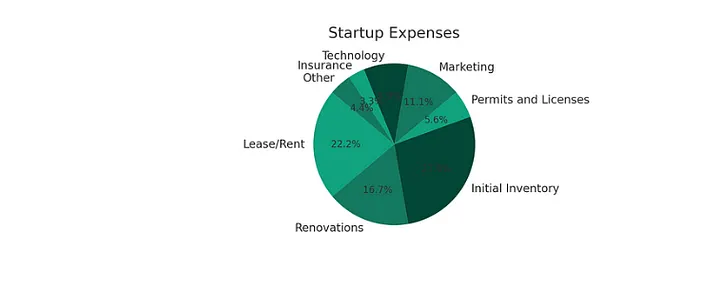
Startup Expenses

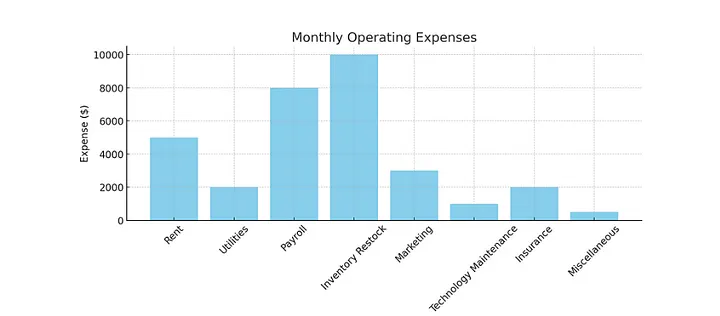
Monthly Operating Expenses

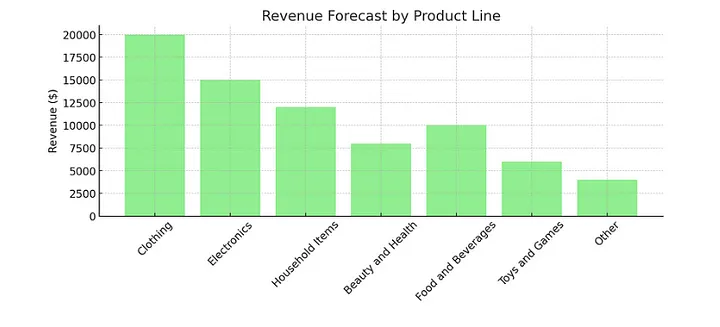
Revenue Forecast

FAQ

How long should a retail discount store business plan be?

A good retail discount store business plan is typically 15 to 30 pages long. Keep your plan concise while covering all critical areas. An executive summary of 1 to 2 pages highlights key points for readers.

What should I include in a retail discount store business plan?

Include an executive summary, company description, market analysis, marketing plan, merchandise plan, store design, location details, market overview, financial projections, and funding requirements. Discuss your mission, vision, target market, differentiation, and competitive advantages.

How often should I update my retail discount store business plan?

Review and revise your retail discount store business plan regularly, especially in the first few years of operation. A good rule of thumb is to update the plan annually or biannually. Make revisions based on changes in the market, customer base, location, merchandise, marketing, or operations. Update financial projections and reporting based on actual sales and performance. Revise the plan as needed to reflect significant events impacting your business.

Do I need professional help to create a retail discount store business plan?

Creating a retail discount store business plan requires research, analysis, writing, and financial skills. For many entrepreneurs, getting guidance from a seasoned business consultant with experience in retail is invaluable. However, if you have a background in business and experience in the retail industry, you can develop an effective plan yourself using available resources. The option you choose depends on your own skills, knowledge, available time, and budget. In any case, getting input from expert sources as you write your plan is recommended.
You May Also Like