
15 Minutes Read
Creating A Winning Business Model
We see many entrepreneurs come to us with brilliant ideas an inventions, but the business model is lacking in some…


Are you an entrepreneurial furniture maker looking to start your own retail furniture manufacturing firm? A comprehensive business plan is essential for success. It should clearly outline your mission, goals, strategies, and the resources required to achieve them. Developing a well-thought-out plan will provide you with key insights into your target market, help you plan your finances, and create a marketing strategy that differentiates you.
In this article, I’ll provide tips for writing a retail furniture manufacturer business plan for 2023, including examples and an FAQ section.
A retail furniture manufacturer business plan is crucial for any entrepreneurial furniture maker. Without a plan, it’s difficult to allocate resources efficiently or determine if your business is financially viable. A good plan helps you:
● Anticipate costs and create a realistic budget
● Set concrete goals and milestones
● Develop a marketing strategy that sets you apart
● Gain investors’ confidence by demonstrating your preparation and vision
Need a Retail Furniture Manufacturer Business Plan?
Create a custom business plan with financial projections and market research in minutes with ProAI’s business plan generator.
Writing a business plan may seem daunting, but with these tips and tricks, you can create a plan poised for success:
The executive summary is your business plan’s most important part. It should concisely convey your mission, concept, strategy, costs, and projected return on investment. Aim for an engaging and succinct summary that gives investors a quick overview and persuades them to read further.
Describe your company, including its name, location, contact information, owner’s experience, business type, and short/long-term goals. Discuss your company’s legal structure and include a brief market analysis demonstrating your understanding of industry trends and potential for success.
A market analysis is divided into three parts:
Industry Analysis: Discuss your industry’s size, scope, and potential market for your products. Explain why your target market will be interested in your furniture.
Competition Analysis: Identify your competitors, their strengths/weaknesses, and how you’ll differentiate yourself. Discuss their marketing strategies and prices.
Marketing Analysis: Explain how you’ll market your furniture and reach your target market. Discuss proposed campaigns, partnerships, tracking metrics, and other key details.
Describe your furniture in detail including materials, sizes, colors, photos/drawings, and pricing for each piece. Help investors visualize your products and understand your target price points.
Discuss employee roles/responsibilities, number of hires, salaries, training programs, benefits, and other costs. Help investors understand your staffing needs and associated expenses.
Analyze your competitors and industry trends to determine how to differentiate your business. Discuss their products, marketing strategies, strengths/weaknesses, and prices. Explain how you’ll gain a competitive advantage through innovation or other means.
Discuss how your location will facilitate success by considering:
● Local market and demographics
● Competition
● Rent and operating costs
● Accessibility for customers
● Size required for your operations
Provide an overview of your target market including its size, scope, trends, and demographic information. Discuss your competition and how you’ll stand apart. Help investors understand your potential to capture market share.
Discuss how you’ll market your furniture to reach your target market. Explain proposed campaigns, partnerships, tracking metrics, and other key details. Help investors understand your ability to gain brand awareness and customer loyalty.
Discuss suppliers, partners, subcontractors, and investors you’ll leverage to help with various functions like production, marketing, and funding. Help investors understand your ability to build a strong network of support.
Include:
● Your business model, product costs, and projected return on investment
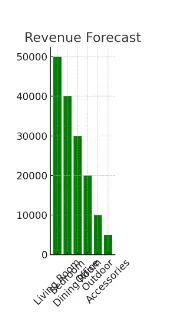
● 5-year revenue projections and expense estimates
● Marketing and operational budgets
● A timeline for turning a profit
● Potential exit strategies
Provide a comprehensive financial analysis to demonstrate your vision’s viability and gain investors’ confidence.
Need a Retail Furniture Manufacturer Business Plan?
Create a custom business plan with financial projections and market research in minutes with ProAI’s business plan generator.

Why is an executive summary so important?
The executive summary is your chance to make a great first impression. It should quickly convey the essence of your plan to capture investors’ interest and persuade them to read on.
How much detail should I include in my market analysis?
Your market analysis should be comprehensive but focused. Discuss key details about your industry, target market, competitors, and marketing strategies without being overly lengthy. Provide enough detail to demonstrate a keen understanding of critical factors that will impact your success.
What kinds of expenses should I include in my financial projections?
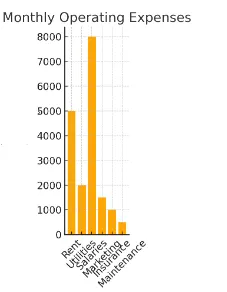
Your financial projections should include all operating expenses required to launch and sustain your business including rent, utilities, payroll, inventory, supplies, marketing, loan payments, taxes, and additional facilities/equipment as needed. It’s best to overestimate expenses to ensure you develop realistic projections.
What determines a company’s competitive advantage?
A competitive advantage is anything that makes your company’s offerings superior to competitors. This could include elements like innovative designs, high-quality materials, lower prices, unique customer experience, disruptive technology, scalable operations, strategic partnerships, or other differentiators. Determine what makes your company uniquely suited to gain market share.
Why is an exit strategy important to include?
An exit strategy explains how investors can liquidate their shares for a profit. This could include being acquired, merging with another company, becoming publicly traded, franchise expansion, or management buyout. Discussing potential exit strategies helps build investors’ confidence that there are viable paths to recoup and profit from their investment.