15 Minutes Read
Creating A Winning Business Model
We see many entrepreneurs come to us with brilliant ideas an inventions, but the business model is lacking in some…


Last Updated: 12/17/2023
Starting a steak buffet restaurant requires careful planning and hard work. A well-crafted business plan is essential to define your goals, outline key activities and resources, and ensure success. This article covers the key elements of a steak buffet restaurant business plan to help you achieve your goals in 2023.
A comprehensive business plan is critical for any new venture. It provides a roadmap for your steak buffet restaurant by outlining strategies, staffing, menu, budget, target market, and marketing plans to achieve profitability. It helps secure financing, manages risks, and guides business operations. A thorough plan is key to a successful steak buffet restaurant.
Need a Steak Buffet Restaurant Business Plan?
Create a custom business plan with financial projections and market research in minutes with ProAI’s business plan generator.
Opening a steak buffet restaurant can be rewarding if properly planned. Here are the essential elements to consider in your business plan:
The executive summary outlines your steak buffet restaurant concept. It includes:
– A description of your restaurant concept and mission statement
– Your target customer base
– An operational outline
– Cost estimates and return on investment
The summary communicates your concept to investors and entices them to read further.
Introduce your company by providing the restaurant name, location, owner details, legal standing, short and long-term goals. Discuss trends in the regional food industry and your restaurant’s competitive advantage. Describe your products and services, including steak and dish options, special features, and amenities.
Explain the steak buffet restaurant industry’s current state, trends, size, customer base, and competition to show its potential.
Research competitors to understand their strategies and advantages. Develop strategies to stand out.
Analyze your target market to determine effective marketing strategies. Explain how you will reach customers and stand out from competitors.
Create a menu mock-up with your logo and design. Include pricing reflecting your cost analysis. Menu engineering and research are essential.
Decide on staffing needs, experience, training, numbers, and pay. Create job descriptions outlining duties, expectations, and qualifications. Develop a hiring process using job boards, social media, and necessary paperwork. Employees are crucial to success, so plan carefully.
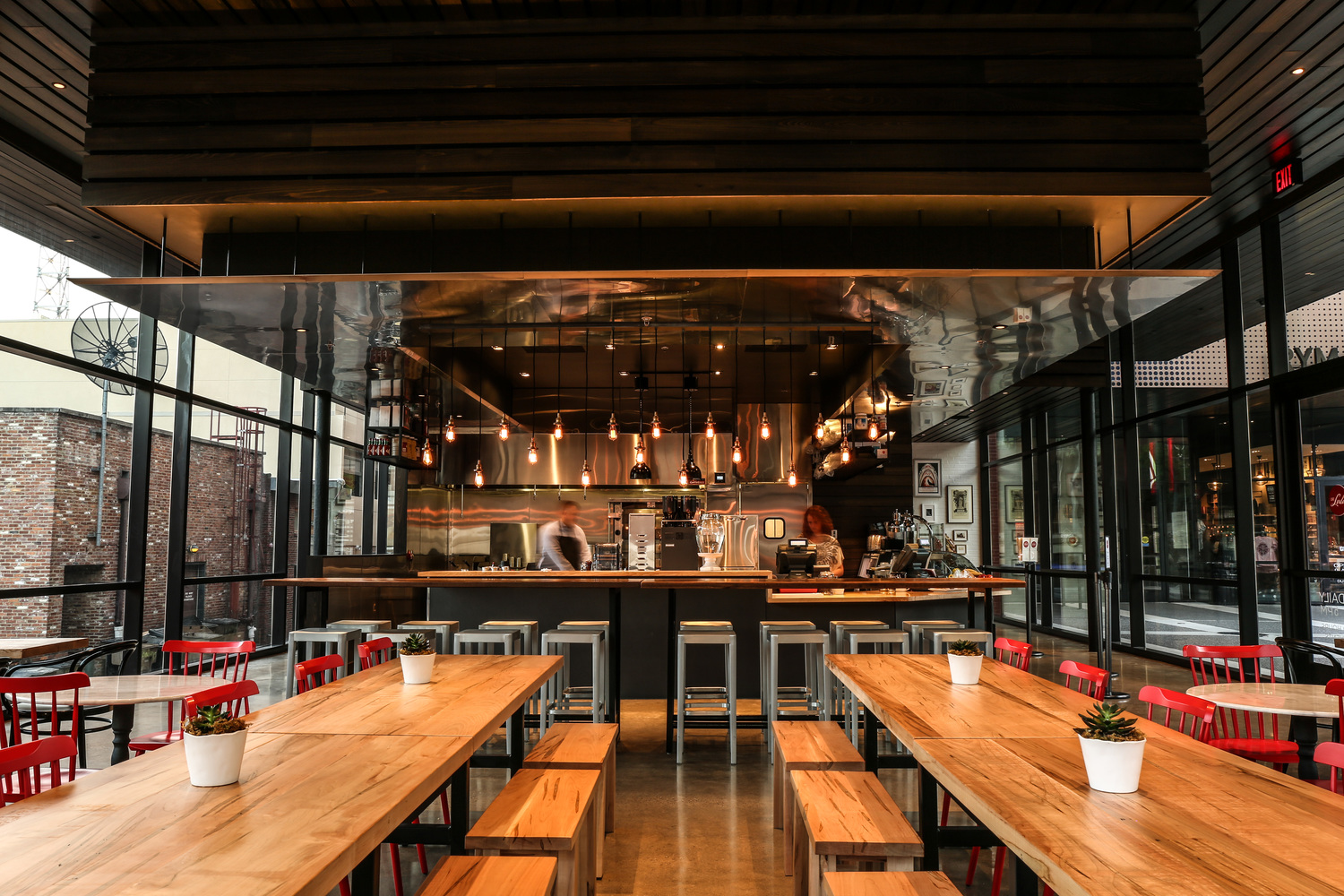
Create an inviting atmosphere considering furniture, colors, layout, theme, and decor. Select furniture for your guest numbers and atmosphere. Choose colors for the desired mood. Design an efficient layout with proper flow, buffet, and station placement. Design significantly impacts success.
Location is critical. Consider the area’s demographics, access, parking, attractions boosting foot traffic, and costs. The right location brings in customers; the wrong location threatens success.
Discuss current market conditions affecting your business. Analyze trends, competition, strengths, weaknesses, differentiation, risks like rising costs or new competitors, and any regulations. Understanding the market and risks allows for a better plan.
Detail your marketing strategies, budget, success measurements, and goals for each. Consider online marketing, email, social media, print ads, radio, direct mail, and budgets. Set goals and track progress for success. Marketing is key to building brand awareness, reaching customers, and increasing sales.
Consider consultants for financials, designers for menus and layouts, and marketers to promote your restaurant. Financial consultants help with capital acquisition, budgeting, and cash flow. Designers create attractive menus and layouts. Marketers develop comprehensive online and offline strategies to stand out. External help ensures a well-thought out plan.
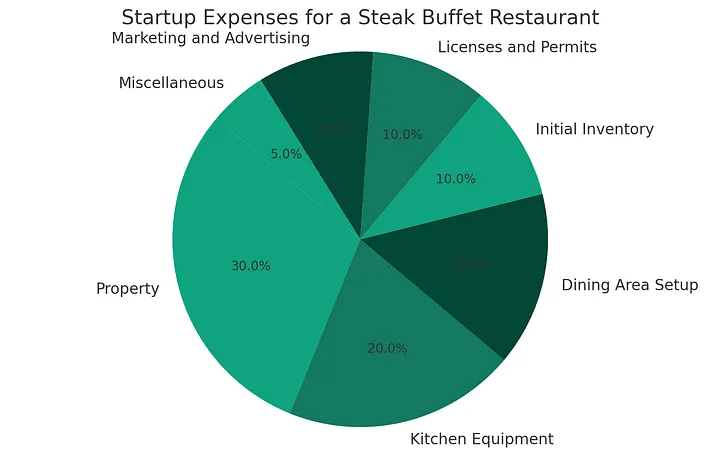
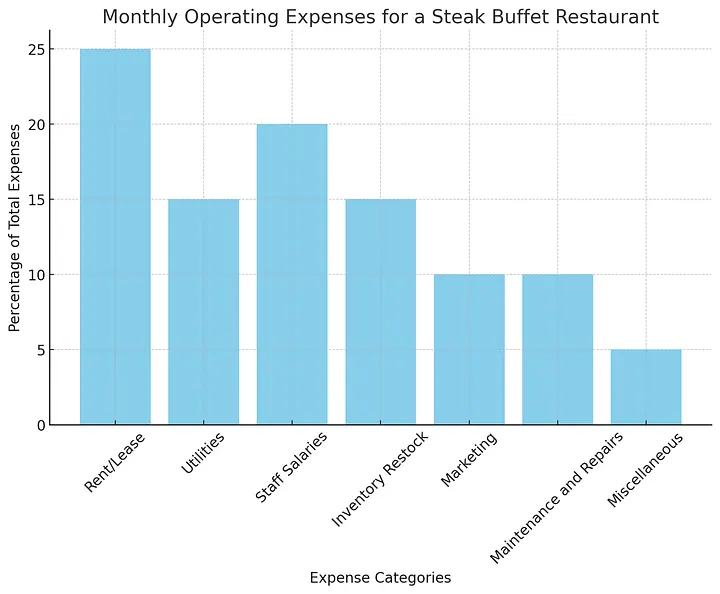
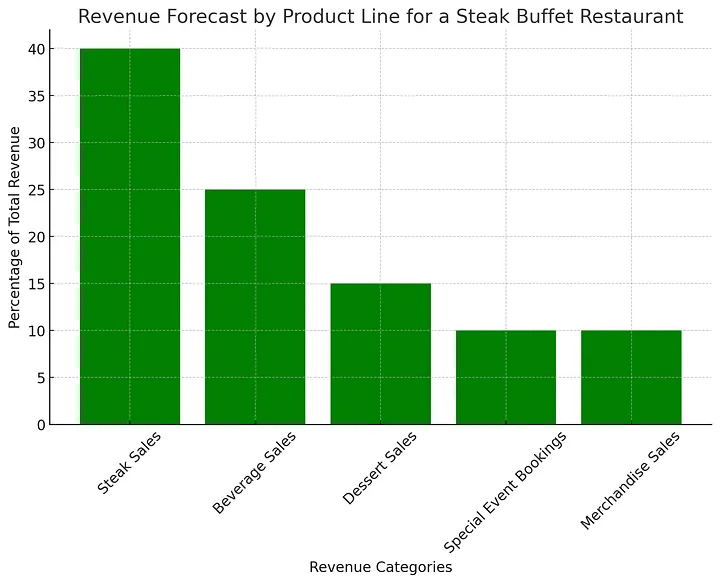
Provide financial projections, capital uses, budget with operating costs, sales and profit projections, cash flow statement, break-even analysis, and capital requirements. The financials show the viability and profit potential to investors.
List specialty items, sides, salads, beverages, and desserts. Highlight prime rib, steak, and premium cuts. Traditional and unique sides, salads, specialty drinks, and desserts should also be included. Menu options, especially specialty choices, are critical to a steak buffet restaurant’s success.
Need a Steak Buffet Restaurant Business Plan?
Create a custom business plan with financial projections and market research in minutes with ProAI’s business plan generator.