
15 Minutes Read
Creating A Winning Business Model
We see many entrepreneurs come to us with brilliant ideas an inventions, but the business model is lacking in some…


Last Updated: 12/17/2023
Have you been considering investing in the fast-growing technology industry? The potential for high returns and innovative tools can be appealing. However, without a comprehensive business plan capturing your venture’s details, you could miss key opportunities and risks. You need a technology investment business plan providing a roadmap for success, helping make strategic decisions, set goals, and track progress. Here is how to write a technology investment business plan in 2023, including tips and examples.
A technology investment business plan is critical for any entrepreneur pursuing technology-related investment. It provides an overview of your investment, defines goals and objectives, identifies risks and rewards. It serves as a roadmap, helping map the way forward and spot pitfalls and opportunities. A well-crafted plan is essential for securing funding, allowing you to demonstrate knowledge and experience to potential investors.
Need a Technology Investment Business Plan?
Create a custom business plan with financial projections and market research in minutes with ProAI’s business plan generator.
Here are the main components of a technology investment business plan:
An executive summary introduces your business plan, providing a snapshot of your company, objectives, and strategies to achieve goals. It should overview your company’s current state and objectives, strategies, and tactics to achieve them. It should include a financial snapshot, e.g. investments, costs, and returns. It should analyze the industry landscape and competitors, helping potential investors assess viability and decide to invest. A concise yet comprehensive executive summary gives potential investors what they need to make an informed investment decision.
This fully introduces your company. Begin with your company name, contacts, owner details, and experience. Highlight your legal standing, short and long-term goals. Provide a brief market study showing you understand regional investment trends and why you will succeed. Detail your technology and its advantages over competitors.
Divided into three parts:
Industry Analysis: Discuss the current technology market, recent trends and developments. Analyze market size and projected growth, helping investors understand the industry.
Competition Analysis: Discuss other companies competing for customers and investments. Analyze competitors’ strengths and weaknesses, highlighting how you stand out.
Marketing Analysis: Discuss how you will reach potential investors and customers. Detail how you will use digital marketing and advertising to promote your technology solutions.
Technology investment can be lucrative but understand the risks and rewards. Research the market and find the right opportunities.
Identify potentially lucrative future technology trends. Consider the competitive landscape and opportunities for partnerships and collaborations.
Consider the financial side, e.g., expected return on investment, needed capital, protecting investments. Answer how you will measure success and manage risks.
A portfolio is a collection of investments tailored to your goals, risk tolerance, and time frame. Portfolio management enables diversifying investments and minimizing risk. It helps track each investment’s performance and ensure they meet expectations.
Include long-term (e.g., stocks, bonds) and short-term (venture capital) investments. Long-term are typically stable with steady returns. Short-term may have higher returns but higher risk.
In your plan, outline your investments, expected returns, and risk profiles. This gives investors a clear picture of your portfolio to assess potential risks and rewards.
Explain how you will use investment to reach your goals. Explain the market opportunity and value proposition of your technology startup. Explain why you are seeking venture capital, the amount, and its use.
Explain your execution strategy including how you will market, develop and distribute your product/service. Provide a timeline for each step.
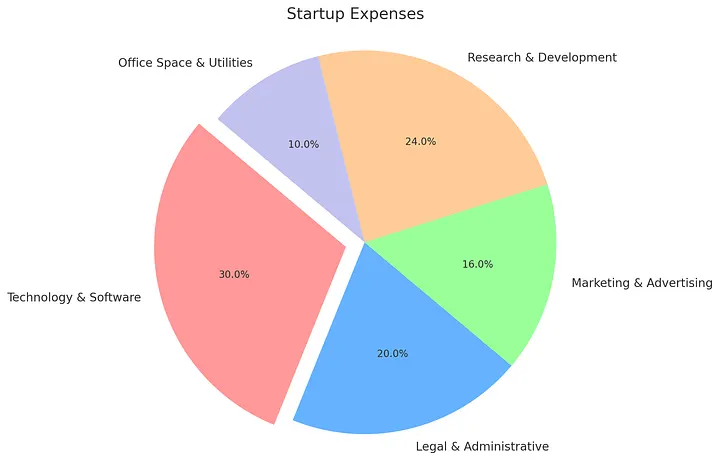
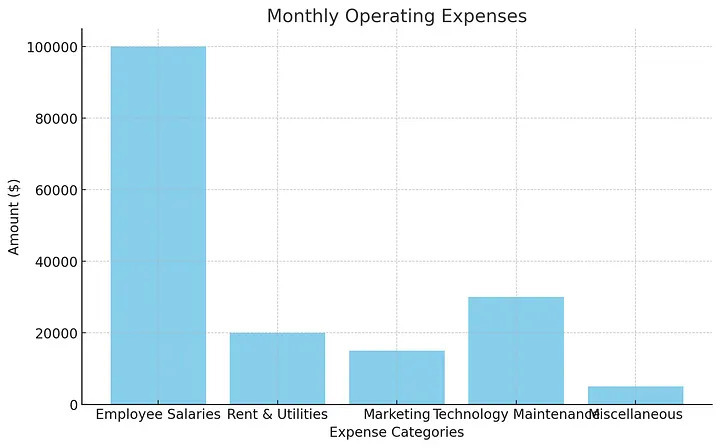
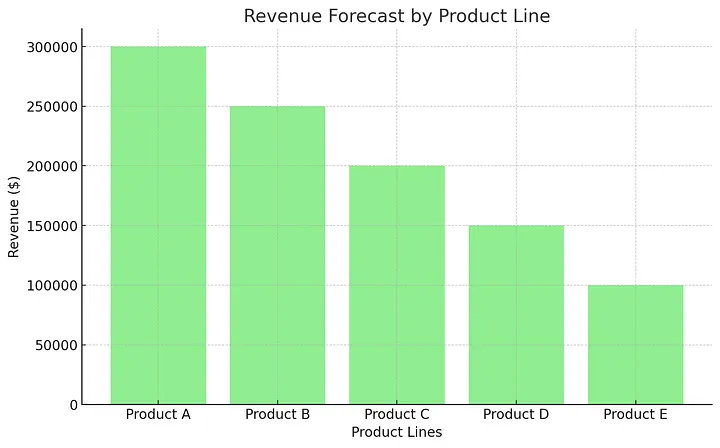
Provide 3–5 year financial projections including expenses, revenue, and profits. Include a risk assessment of the venture capital investment, helping investors understand potential risks.
Financial analysis is key. Provide 5-year revenue, expenditure, and profit projections based on current market conditions.
Include startup costs and total cost of ownership (TCO) — the total cost of a product over its lifetime including direct and indirect costs. This gives the complete picture of the money needed.
Include a risk analysis discussing potential risks associated with your technology investment and assessing severity.
Include a cash flow analysis showing expected cash inflows and outflows over time, e.g. expected break-even point and potential profit timeline.
Thorough financial analysis shows you understand the financial implications, giving investors confidence in your ability to execute your plan.
A risk analysis identifies potential threats and challenges. Analyze the industry, market, technology, and competition. Consider threats disrupting the market or impacting your product. Consider team risks e.g. experience to handle the business and necessary skills/resources. Evaluate financial risks e.g. expected returns and investment underperforming.
Provide a detailed risk analysis with your best estimate of potential outcomes. Be realistic and honest, providing an accurate and comprehensive assessment.
Explain your exit strategy to potential investors. It depends on your investment type and time in the business. E.g., venture capital exit may involve selling in a shorter time than an angel investment.
Other strategies include going public, merging, or liquidating the business. Think carefully about your realistic exit strategy. Explain it clearly and concisely in your plan.
Need a Technology Investment Business Plan?
Create a custom business plan with financial projections and market research in minutes with ProAI’s business plan generator.
Here are some frequently asked questions about technology investment business plans:
How long should a technology investment business plan be?
A good rule of thumb is 15–30 pages including visuals and graphics. Be concise yet comprehensive.
Should I include proprietary information?
Only include proprietary information, e.g. intellectual property, patents, or products in development if an investor protectively nondisclosure agreement protects your trade secrets. Otherwise, limit what you share to publicly available information.
How often should I update the plan?
You should review and update your technology investment business plan annually or if major changes occur impacting your business goals or environment. Updates show potential investors you are actively managing your business.
What technologies should I consider investing in?
Some potentially lucrative technology investments to consider include:
● Artificial intelligence and machine learning
● Augmented and virtual reality
● Blockchain and cryptocurrency
● Cloud computing
● Cybersecurity
● Internet of Things (IoT)
● Robotics
● Wireless charging
● 5G wireless networks
How do I find potential investors?
To find investors for your technology venture you can:
● Network at industry events to make valuable connections with potential investors
● Research angel investors and venture capital firms focused on technology
● Build relationships with high-net-worth individuals interested in technology investment
● Join an angel investor network or accelerator program
● Pitch your business at investor demo days or pitch events
● Engage advisory board members with connections to capital