15 Minutes Read
Creating A Winning Business Model
We see many entrepreneurs come to us with brilliant ideas an inventions, but the business model is lacking in some…

Last Updated: 12/17/2023
Are you dreaming of opening your own themed restaurant but unsure of where to start? Developing a comprehensive business plan is the first step. A solid plan helps turn your vision into reality by outlining the key components of your restaurant like the menu, staffing, design, and marketing strategy. It also identifies potential risks so you can plan ahead. In this article, I’ll explain how to craft a themed restaurant business plan for 2023, provide examples and tips to make the process easier.
A business plan is crucial for any restaurant, but especially themed restaurants looking to stand out. Without careful planning, it’s easy to miss important details or opportunities that could make or break your success. A good plan addresses operations, marketing, financials, staffing, and more — ensuring all pieces are in place before opening. It also provides a roadmap to achieve your goals and objectives. With the right plan, you can confidently move forward, giving your restaurant the best chance of success.
Need a Themed Restaurant Business Plan?
Create a custom business plan with financial projections and market research in minutes with ProAI’s business plan generator.
Writing a plan for a themed restaurant is similar to any other restaurant. Consider cuisine, target market, location, and more. A themed restaurant plan should also include a menu, staffing, design, and external help.
Here are the main sections of a themed restaurant business plan:
The executive summary introduces your plan and business. It should draw in readers (often investors) and summarize the entire concept. Elements include:
– Mission statement — Proposed theme and concept
– Execution — Cost overview
– Return on investment potential
The executive summary is key for attracting funding. Investors need to quickly understand your concept and theme to invest.
Introduce your company, including name, location, contact information, and owner details/experience. Explain your theme, concept, and legal structure. Discuss short and long-term goals, and include a brief market study showing you understand trends and why you’ll succeed. Explain how you’ll stand out and attract customers.
Industry Analysis — Discuss the themed restaurant industry, trends, and how you’ll capitalize on them.
Competition Analysis — Identify other local themed restaurants, their offerings, and how you differ.
Marketing Analysis — Outline your marketing plan, strategies to stand out and attract customers.
Your menu should reflect your theme and be consistent with your concept. Create an attractive, cost-effective menu, and include a draft in your plan along with logos/images. Include pricing for each item so investors understand your target price point and potential profits. Consider food costs and menu engineering when pricing.
Define job roles, responsibilities, hours required, and associated costs like wages, taxes, and insurance. Explain your training strategy, incentives to improve morale and productivity, and your recruitment process to find the best talent.
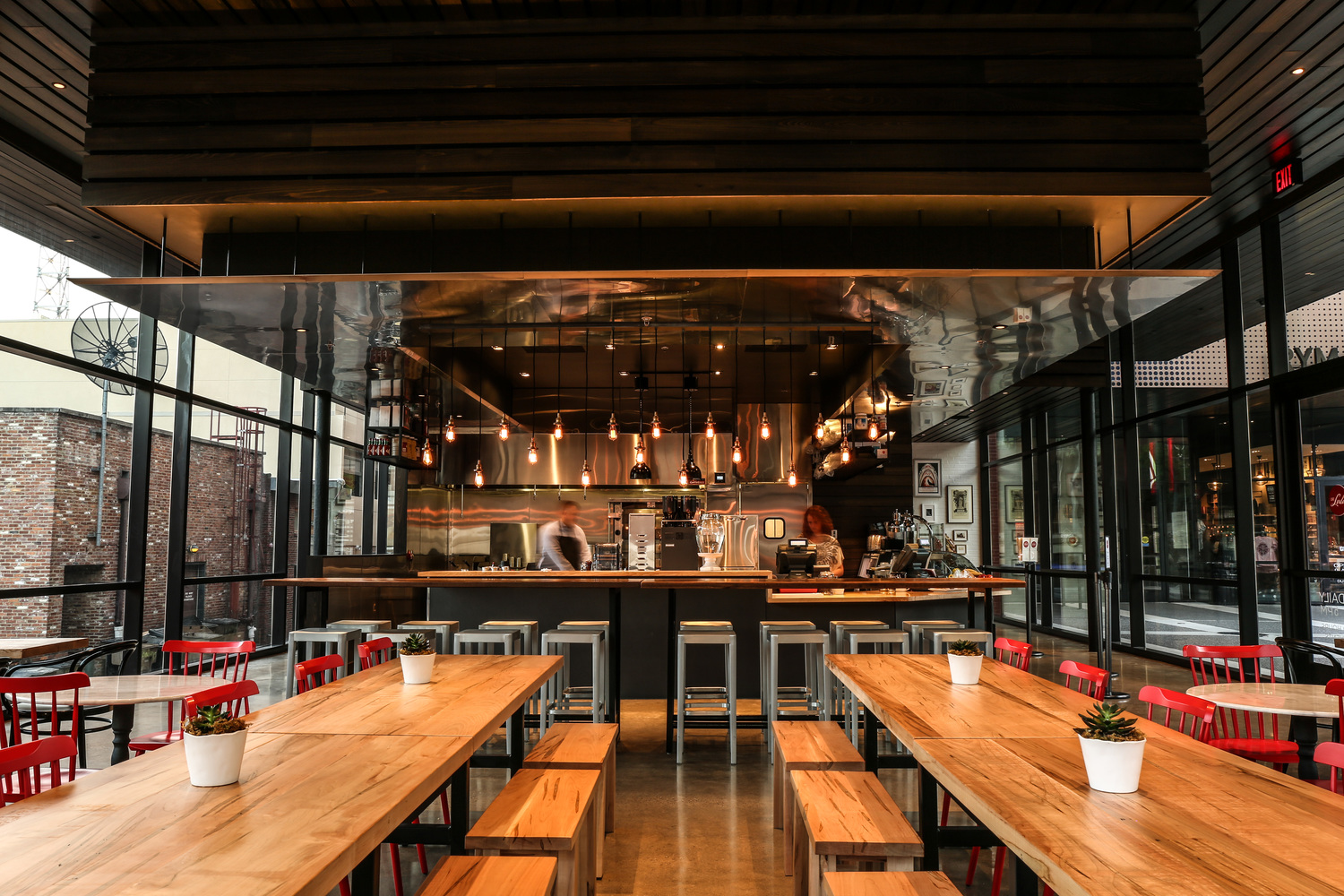
Consider your design to create the right atmosphere. Choose colors, materials, furniture, lighting, layout, and flow to facilitate your concept and theme. Your design should be inviting, comfortable, visually pleasing, and practical. Explain your vision to help investors understand the atmosphere you want to create.
Your location significantly impacts success. Research areas considering population, demographics, access, parking, competition, foot traffic, rent, and materials cost. Determine how location influences your budget, strategies, and business plan. Choose a spot accessible to your target market.
Research your competition, local trends, and demographics to determine pricing, sales projections, and marketing strategies. Consider population size and growth, area demographics, and popular restaurants. Note spending habits, favorite foods, and unique area features. A clear market understanding helps develop effective strategies for marketing, pricing, and operations. Show how you’ll fit in and stand out.
Create a clear, concise message to capture customer interest. Develop a unique tagline illustrating your restaurant type and why customers should choose you. Consider channels like social media, email, websites, and advertising to reach your audience. Include a marketing budget outlining spending on advertising, websites, and other expenses. Stay organized and on track.
Seek advice from industry experts, experienced restaurateurs, and business consultants to optimize your plan. Use free online resources with instructions for a comprehensive themed restaurant plan. Resources like \[list resources\] provide step-by-step guidance to develop an up-to-date plan.
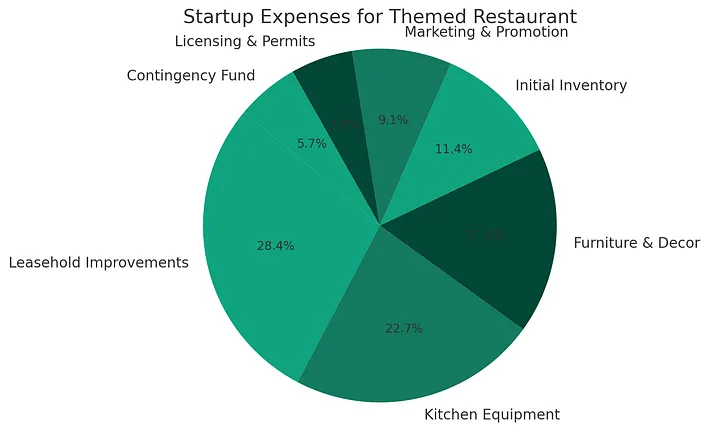
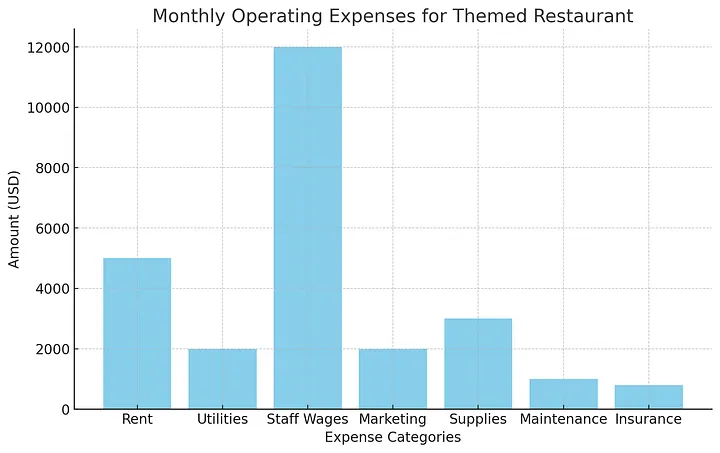
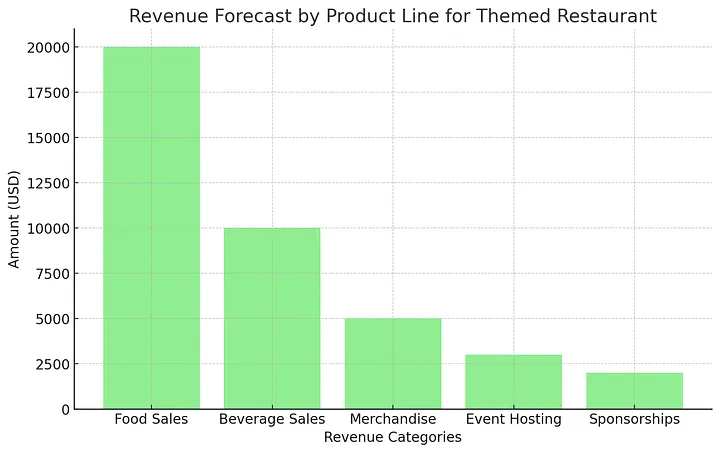
Your financial analysis shows the viability and profitability of your restaurant to you and investors. It includes a projected budget, timeline, and potential investments needed. Consider costs of labour, food, supplies, and all expenses. Do a break-even analysis costing running the restaurant versus projected income. This attracts investors and shows the financial health of your restaurant.
Need a Themed Restaurant Business Plan?
Create a custom business plan with financial projections and market research in minutes with ProAI’s business plan generator.