
15 Minutes Read
Creating A Winning Business Model
We see many entrepreneurs come to us with brilliant ideas an inventions, but the business model is lacking in some…

Last Updated: 12/17/2023
Have you thought about starting your own tobacco retail business? If so, creating a solid business plan is crucial. A good business plan serves as your roadmap, outlining your financial, operational, and marketing goals as well as how you’ll achieve them. It’s also key for securing funding from investors or lenders.
In this guide, I’ll walk you through the steps to craft a comprehensive tobacco retail business plan, including helpful examples and tips.
A well-crafted business plan is essential for any tobacco retailer looking to start or expand their business. It’s a detailed document laying out your operational and marketing objectives and how you’ll reach them. It’s also necessary for obtaining funding from investors, lenders, or sponsors.
A good plan helps you stay organized and focused when launching or growing your business, helping you avoid expensive mistakes. By creating a comprehensive business plan, you’ll set your tobacco retail business up for success and profitability.
Need a Tobacco Retail Business Plan?
Create a custom business plan with financial projections and market research in minutes with ProAI’s business plan generator.
Writing a business plan may seem daunting, but with the right information and thoughtful preparation, you can do it. Here are the main sections to include in your plan:
– Executive Summary: Briefly cover your company, goals, target market, products/services, costs, and expected ROI. This section should capture readers’ interest and encourage them to read further.
– Business Overview: Introduce your business, including name, location, contact info, owner experience, market overview, legal details, short/long-term goals. Help readers understand your purpose and potential.
– Market Analysis: Analyze industry trends, your target market, and competition. Discuss the industry, current trends, growth opportunities, your ideal customer, their location/habits, and competitors. Explain how you’ll differentiate your business.
– Products/Services: Describe in detail the products and services you offer, including pricing, seasonal/limited products, delivery, online ordering, or other value-added services. Help investors understand your business scope.
– Operations/Management: Discuss your management team, staff responsibilities, operational processes/procedures, and how you’ll manage inventory, scheduling, customer service, experience, etc. Provide insight into your business operations.
– Marketing Strategy: Explain how you’ll attract customers, reach your target market, promote products/services, set competitive pricing, run promotions/ ads, build customer loyalty, and stand out from competitors. Your plan for gaining and retaining customers.
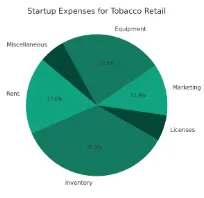
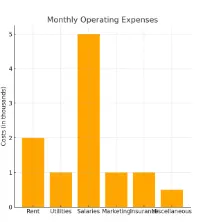
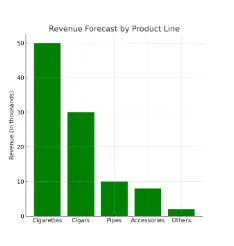
– Financial Plan: Discuss how you’ll finance your business, funding needed, how funds will be used, costs/income projections, cash flow, profit projections. Help investors understand your financial strategy and potential.
Need a Tobacco Retail Business Plan?
Create a custom business plan with financial projections and market research in minutes with ProAI’s business plan generator.
Why should I include an executive summary?
An executive summary briefly covers the key highlights of your business plan. It should capture readers’ interest and encourage them to read the full plan. It’s the first thing most investors or lenders will read, so it needs to be compelling.
How much detail should I include in the market analysis section?
Your market analysis should be comprehensive, discussing industry trends, your target customer, their habits and location, as well as analyzing your competitors. Explain how your business will succeed in this market and stand out from competitors. Provide statistics and references to support your analysis.
Do I need to include financial projections if I’m just starting out?
Yes, financial projections are essential even if you’re just launching your business. Investors and lenders want to see that you’ve carefully considered costs, income potential, cash flow, and profit projections. Your projections should be based on thorough research and reasonable assumptions. Be prepared to explain the reasoning behind your projections.
How often should I revisit and update my business plan?
You should review and revise your business plan at least annually and more often if there are significant changes to your business or industry. Update sections like your market analysis, competitive research, financials, goals, and metrics as needed based on your actual business results and performance. Your plan needs to remain a living document that reflects the reality of your current business situation.