
15 Minutes Read
Creating A Winning Business Model
We see many entrepreneurs come to us with brilliant ideas an inventions, but the business model is lacking in some…


Last Updated: 12/17/2023
Are you passionate about travel and ready to turn that passion into a business? Opening a travel agency is an exciting endeavor that allows you to help others experience the joy of travel while building a successful company. However, before getting started, you need to develop a comprehensive business plan. A solid plan is key to launching and growing a sustainable travel agency.
This article provides guidance on crafting an effective travel agency business plan for 2023. We discuss creating objectives and financial projections, analyzing the market and competition, defining your services, building operational and marketing plans, and preparing for risks and opportunities.With a well-crafted plan in place, you can confidently open your doors and start booking amazing adventures for your clients.
A good business plan is essential for any new business, especially a travel agency.It helps clarify your vision and ensure you consider important details. It’s also necessary for securing funding from investors. A plan should evaluate the market, competition, and customers. It should include financial projections, a marketing strategy, key milestones, and risk analysis. With a plan, you’ll feel ready to build a successful travel agency.
Need a Travel Agency Business Plan?
Create a custom business plan with financial projections and market research in minutes with ProAI’s business plan generator.
Developing a business plan may seem daunting, but it provides a roadmap to keep you on track. A good plan includes:
The executive summary introduces your idea, mission, costs, and return on investment. It’s critical for gaining investor interest and should be tailored for your audience. Include your travel agency’s name, location, owner details, business structure, goals, and market analysis.
Describe your travel agency in full, including services, experience, goals, and market position. Discuss the agency’s legal structure, owner qualifications, and growth plans. Identify your niche and competitive advantage.
Analyze travel industry and consumer trends to develop services that meet demand. Evaluate competitors’ offerings, prices, and clients to differentiate your agency. Discuss your target clients and how you’ll reach them.
Clearly define the services you offer, such as booking, planning, insurance, and travel advice. Describe additional services and any third-party partners. Explain each service so investors understand your business scope.
Detail your daily operations, including staff responsibilities, resources, processes, customer service, technology, and safety protocols. Discuss managing bookings, accounts, and sales to inform marketing and pricing decisions. Include insurance and security policies to ensure customer and staff safety.
Describe your funding requirements and sources, such as loans, investors, crowdfunding, or personal funds. Compare options based on rates, terms, and your needs. Create a financing plan with amounts, types, timelines, and repayment details. Research grants and incentives you may qualify for. Factor in COVID-19’s impact on travel funding and agencies.
Analyze competitors’ services, marketing, and prices. Create a chart to compare factors like cost, customer service, and unique offers. Use the analysis to differentiate your agency.
Discuss strategies to spread awareness about your agency like social media marketing, a website, blogging, advertising, and events. Detail how you’ll target clients through demographics or influencers. Include a budget, timeline, and success metrics.
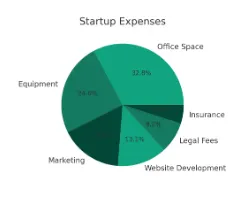
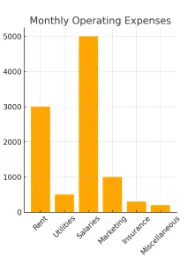
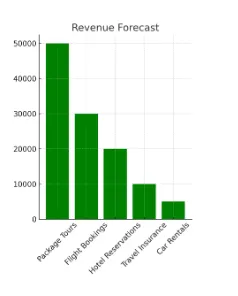
Forecast income, expenses, and capital needs. Include budgets, cash flow, break-even analysis, and sustainability risks/opportunities. Research government grants and incentives you may apply for. Factor in COVID-19’s impact on travel agencies’ finances.
Identify risks like industry changes, supply chain issues, and shifts in customer demand. Also list opportunities from technology, trends, and the economy. Evaluate risks and opportunities honestly to develop mitigation strategies and prepare for challenges. Building confidence in your plan.
Discuss how and when you may sell or close your business. Address handling debts/liabilities and tax implications. Consider how you’ll use proceeds for re-investment or retirement. Outline the timeline and process for winding down your agency or transferring ownership. Your exit strategy shows investors you’ve planned for all outcomes.
Need a Travel Agency Business Plan?
Create a custom business plan with financial projections and market research in minutes with ProAI’s business plan generator.
How long should my business plan be?
A travel agency business plan should be 15 to 30 pages long based on a standard of about 3 pages for the executive summary and 2 to 5 pages for other major sections. The exact length depends on the complexity of your business model and services. Investors prefer concise yet compelling plans.
Do I need to include sales forecasts and financial statements?
Yes, sales forecasts, income statements, cash flow statements, and balance sheets are important for understanding your travel agency’s financial outlook and attracting investors. Provide realistic projections for at least 3 to 5 years.
What if my plan needs revision due to changes in the travel industry or economy?
It’s a good idea to review and revise your travel agency business plan regularly based on significant changes. For example, you may need to adjust financials, marketing, or services due to trends in post-pandemic travel or new technology. Make revisions as needed to keep your plan up to date and useful as a guide for decision making.
Should I write the plan myself or hire a professional?
You can write a travel agency business plan yourself if you have experience developing plans or business documents. However, hiring a professional business plan writer is a good option if you lack experience or need an objective, expert perspective. Look for writers with specific experience in the travel and tourism industry.
What is the most important part of the plan?
The most critical sections of a travel agency business plan are the executive summary, company description, market analysis, and financial plan. The executive summary introduces the overall concept and should capture investor interest, while the other sections provide essential details about your business, customers, competition, and financial outlook. Ensure these parts are compelling, realistic, and highlight your strengths.