
15 Minutes Read
Creating A Winning Business Model
We see many entrepreneurs come to us with brilliant ideas an inventions, but the business model is lacking in some…


Last Updated: 12/17/2023
Are you looking to start a video production business? Now is the perfect time to take your passion and turn it into a profitable business. But before you can make any headway, you need to create a comprehensive business plan. A business plan is essential for success. Whether pitching services to a client or investor, or looking to secure financing, a comprehensive plan is key. Here’s everything you need to know about writing a video production business plan, including what to include.
A business plan is the foundation of any successful video production business. Without a proper plan, your business may fail before starting. An effective plan helps identify your target market, define goals and strategies to achieve them. It determines costs, sets financial projections, and tracks progress. A plan is invaluable when seeking investment and essential for staying organized and on top of finances. A well-crafted plan is key to success.
Need a Video Production Business Plan?
Create a custom business plan with financial projections and market research in minutes with ProAI’s business plan generator.
Writing a 2023 video production business plan is daunting but essential. Here are key components to include:
A video production business plan starts with an executive summary. An executive summary acts as an introduction and summary of the entire plan. The aim is to draw the reader into the rest of the plan.
Common elements include:
– Mission statement
– Proposed concept
– Execution
– Cost overview
– Expected return on investment
An executive summary is key for investors. Instead of combing the whole plan, they look at the summary for an overview of services, target markets, costs, and revenue generation. It should address risks and mitigation.
Introduce your company, including name, location, contacts, owner details, and experience. Highlight the legal standing, short and long-term goals. Provide a market study showing you understand trends and why you’ll succeed.
Typically divided into three parts:
What is the state of the video production industry? How will streaming impact video production? What platforms are gaining/declining traction? Provide an overview so investors understand trends and opportunities.
What other video production companies exist? Size, scope, reach, offerings, partnerships? Note the competition and explain how you’ll stand out.
Explain your marketing campaigns, strategies to reach target audiences, differentiation, and digital/social media plans to investors.
List video production services offered like promotional videos, event videography, post-production editing, voice-over work, etc. Describe each service and any pricing packages. This helps clients decide if you’re the right fit.
Include any equipment needed, especially important for video production quality.
Consider the type of video and resources/equipment/personnel needed. The process typically involves pre-production (gathering resources, preparing the scene), production (filming), and post-production (editing, color correction, sound design, etc.). Have a clear outline of the process and resources. Include legal/compliance steps.
Important roles, responsibilities, costs (salary, benefits), and hiring timelines. Hire the right skills and talents for success.
The equipment used is as important as the idea, script, and production. Invest in the right gear for the best product. Talk to industry experts for advice. Research the best deals and if renting or buying is better.
Consider how to finance through debt, equity, or both. Create a budget and projections to determine funding needs. Consider traditional (loans, venture capital) and alternative (crowdfunding, angel investors) financing.
Include a cost breakdown, associated risks, how funds will be used, and potential ROI for investors.
Define your target audience by age, content type, etc. Decide which platforms to use (social media, digital, traditional advertising). Create a content release timeline, budget, promos/discounts, and review schedule.
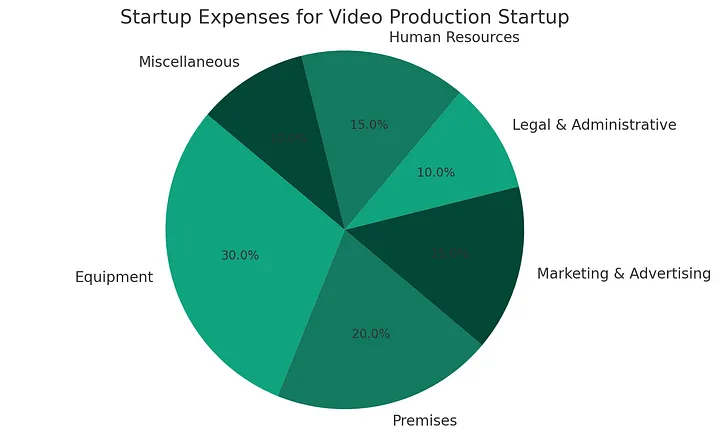
Do a financial analysis with costs, income, cash flow, assets, and liabilities. List equipment, software, and other resources needed. Note any debts impacting the business.
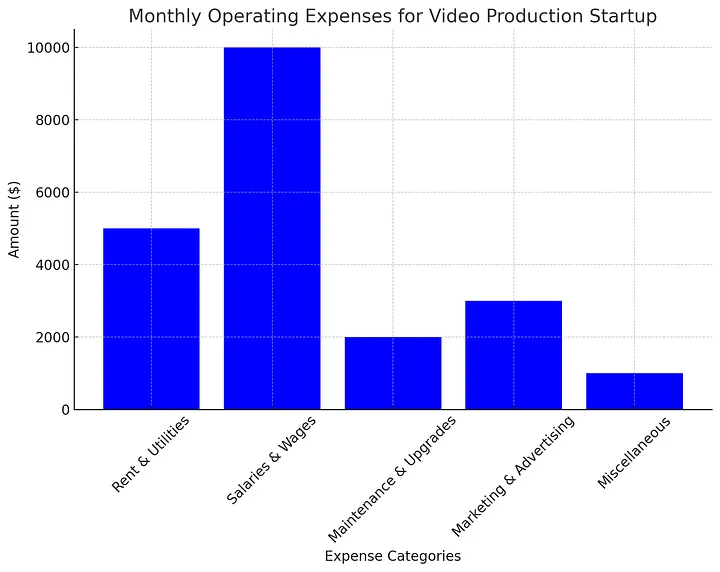
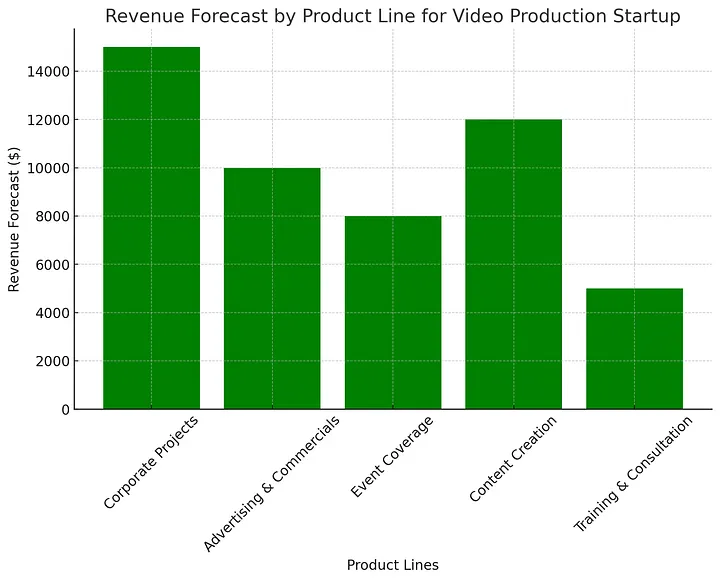
Create a realistic budget with all expected costs (equipment, software, personnel, marketing). Estimate income for the next year based on historical numbers if possible.
Review cash flow (income minus expenses) with a statement to see available money monthly. Plan for any short-term issues.
Need a Video Production Business Plan?
Create a custom business plan with financial projections and market research in minutes with ProAI’s business plan generator.
What makes a good business plan?
A good business plan is clear, concise, and realistic. It should outline your mission and keys to success. It addresses your target market, competition, and how you’ll get customers. It includes realistic financial projections, budgets, timelines, milestones, and details how you’ll finance the business.
How long should a business plan be?
A good business plan is typically 15 to 30 pages long. The length depends on your business and how much detail is needed to be comprehensive but concise. Include only relevant, high-level information. An executive summary of 1 to 2 pages highlights key points for investors or lenders to decide if they want more details.
Do I need professional help to write a business plan?
You don’t necessarily need professional help but it can be useful, especially if you lack experience. A professional can provide guidance on content and structure and ask thought-provoking questions. They can review and provide objective feedback. However, you still need to do much of the work since you know your business best. You should drive the overall creation of the plan.
What are the key parts of a business plan?
The key parts of a business plan include:
• Executive summary: Mission, concept, financial highlights
• Company description: Business overview, history, legal entity
• Market analysis: Target customers, competition, trends
• Organization and management: Leadership and key personnel
• Marketing and sales plan: Strategies to attract and retain customers
• Product or service: Description, competitive advantage, intellectual property
• Funding request: How much is needed and how it will be used
• Financial projections: Income statements, cash flow, balance sheets, key metrics and milestones
• Risks and uncertainties: Potential challenges and how they will be addressed
• Milestones and timeline: Key dates and accomplishments in the business planning process
Does this help explain what to include in a video production business plan? Let me know if you have any other questions. I’m happy to help in any way I can!