
15 Minutes Read
Creating A Winning Business Model
We see many entrepreneurs come to us with brilliant ideas an inventions, but the business model is lacking in some…

Last Updated: 12/17/2023
Are you dreaming of starting your own wedding consultant business? It’s an exciting path to pursue, but before getting started, you’ll need to create a solid business plan. A wedding consultant business plan is a complete outline of your business goals, strategies, financials, and marketing plans. It provides direction and helps anticipate problems so you can plan accordingly. Having a well-crafted plan in place is key to running a successful wedding consulting business.
In this article, I’ll walk you through all the components you’ll need to include to write an effective wedding consultant business plan for 2023. I’ll provide tips, samples, and other helpful resources to guide you in creating the perfect plan for your business.
When launching a wedding consulting business, having a well-thought-out business plan is essential. Your business plan acts as a roadmap, providing clear direction and helping you foresee potential issues so you can plan for them. A good plan gives you a framework for managing your finances, operations, marketing, and realistic growth goals. Without a plan, you risk feeling lost in the fast-changing wedding industry. A solid business plan will help you stay organized, focused, and on track for success.
Need a Wedding Consultant Business Plan?
Create a custom business plan with financial projections and market research in minutes with ProAI’s business plan generator.
Whether you’re a seasoned pro or just getting started, writing a business plan is key to running a successful wedding consulting business. Here are the essential sections you’ll need to include:
The executive summary is your chance to make a great first impression. It’s an overview of your entire business plan and should capture the reader’s attention while highlighting the key points. Your executive summary should include:
● Your business mission and vision
● A summary of your business concept and plan for executing it
● A breakdown of costs and potential return on investment
The executive summary allows potential investors to quickly understand your vision and see the potential for success. By delivering a compelling yet concise overview, you’ll capture their interest to read further.
This section fully introduces your business. Start by describing the services you offer, your target market, and any niche expertise. Also include details about the business owner and their relevant experience and qualifications.
The second part of your company description should cover your business’ legal structure and outline both short and long-term goals. You should also include a brief market analysis demonstrating your understanding of trends in the regional wedding industry and why your business will succeed.
Industry Analysis — Discuss factors like local demographics, your target customer base, and current trends impacting the wedding industry. Provide an overview of how these factors will influence your business success.
Competition Analysis — Compare your services and pricing to competitors in your area. Explain how you’ll differentiate yourself and gain a competitive advantage.
Marketing Analysis — Describe your marketing strategy, budget, campaigns, and how you’ll measure success. Include any special promotions or incentives you’ll offer.
List all the services and packages you offer to meet brides’ and grooms’ needs. Consider services like wedding planning and coordination, venue selection, vendor recommendations, budget management, design consultation, and more.
For each service, include your pricing structure and any discounts or bundle deals. Also list timelines to help clients understand required commitments. The services section shows how you’ll fulfill customers’ needs and stand apart from competitors.
For hiring, consider if you’ll manage weddings yourself or need extra help. If hiring staff, list their roles, qualifications, and pay. Include any contractors, payroll taxes, insurance, or benefits costs. Getting input from a mentor or experienced planner can help determine appropriate staffing for your business plan.
Set your pricing by researching competitors’ fees for comparable services. Factor in the cost of time and resources for the services you offer. Add a small percentage to your costs to account for overhead and unexpected expenses. The pricing in your plan should generate a profit that sustains your business.
Research locations based on your target market, nearby wedding venues, bridal businesses, foot traffic, parking, and transportation options. Consider rent or purchase costs and any renovations needed. Look into government grants or incentives to help afford your ideal location. The perfect location will attract clients and complement your brand.
Do market research on current wedding services, areas of high demand, and any opportunities in your area. See what competitors offer and their pricing to determine how to differentiate your business. Research your potential customer base and the types of weddings they want. Use your findings to shape services, advertising, and partnerships that will meet clients’ needs.
Create your brand based on your target market, services, and business message. Develop a marketing plan including paid advertising budget, platforms, and content. Build relationships with vendors and create partnerships to expand your reach.
Have a professional website and active social media presence reflecting your brand. Your online profiles are essential for showcasing your services, pricing, and contact information to potential clients.
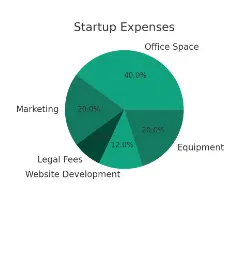
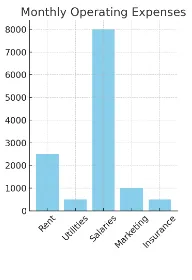
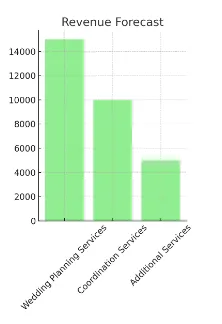
Estimate expenses like startup and operating costs, licenses and registrations, marketing, resources, materials, vendors, and services. Create 3–5 year financial projections including expected revenue, profits and losses, and funding needs. Discuss any risks to your plan and how you’ll address them. The financial analysis demonstrates your business’ financial viability to investors.
Need a Wedding Consultant Business Plan?
Create a custom business plan with financial projections and market research in minutes with ProAI’s business plan generator.
Q: What qualifications or certifications are required to become a wedding consultant?
A: There are no strictly required qualifications or certifications to become a wedding consultant. However, many wedding consultants have background experience or training in event planning, project management, business, or marketing. Optional certifications that can demonstrate your experience include becoming a Certified Wedding Planner with The Association of Certified Professional Wedding Consultants or earning the Accredited Bridal Consultant designation with the Wedding Industry Professionals Association.
Q: How much does a wedding consultant earn?
A: According to the Bureau of Labor Statistics, the median pay for meeting, convention, and event planners in the U.S. is around $50,000 per year. Wedding consultants tend to earn in the range of $45,000 to $80,000 or more, depending on experience, location, and services offered. Wedding consultants who work on high-end weddings or exclusively for luxury clients may earn $100,000 or more. Many wedding consultants charge rates ranging from $50 to $200 or more per hour. Commission from venues or vendors is also common.
Q: What are the pros and cons of hiring a wedding consultant?
Pros:
● Helps reduce stress by handling details and troubleshooting issues.
● Saves time by doing research, making calls, and setting up meetings.
● Provides expertise and advice to ensure the wedding vision is executed well.
● Often gives access to the best venues, vendors, and deals through industry connections.
● Acts as a mediator between the couple and their families during planning.
Cons:
● Can be expensive, with fees ranging from 10–20% of the total wedding cost.
● May not fully understand the couple’s vision or priorities for their wedding.
● Can face communication issues or personality clashes, creating tension.
●
● Is not responsible for duties delegated back to the couple, possibly causing extra work.
● Reliance on a consultant may mean less involvement in the planning experience.
Q: What services do wedding consultants typically offer?
A: Wedding consultants typically offer a range of services to help plan and execute weddings. Common services include:
● Wedding planning and design — Developing an overall vision and theme for the wedding. Handling logistics like budgets, schedules, and vendor contracts.
● Venue scouting and selection — Researching and touring potential wedding venues on clients’ behalf. Providing recommendations based on their needs, vision, and budget.
● Vendor recommendations and coordination — Connecting clients with reputable wedding vendors like caterers, photographers, florists, entertainment, transportation, etc. Helping oversee vendor schedules and responsibilities on the wedding day.
● Budget development and management — Creating a tailored wedding budget and timeline based on the clients’ resources and priorities. Monitoring expenses and making adjustments as needed to keep within budget.
● Guest list and invitation management — Managing RSVPs and following up with guests if needed. Ensuring all invited guests receive accommodations information, directions, etc. prior to the wedding day.
● Rehearsal coordination — Organizing and running the wedding rehearsal to ensure the ceremony runs smoothly. Providing guidance to the wedding party and family members on timing, logistics, and their responsibilities.
● Wedding day management — Overseeing the set-up, schedule, and flow of the wedding day from start to finish. Troubleshooting any issues and managing vendors and logistics to allow the couple and guests to focus on enjoying the day.
● Honeymoon planning — Helping research and book the couple’s honeymoon plans if full-service planning is offered. Providing recommendations tailored to the couple’s preferences and budget.