15 Minutes Read
Creating A Winning Business Model
We see many entrepreneurs come to us with brilliant ideas an inventions, but the business model is lacking in some…

Last Updated: 12/17/2023
Starting a youth sports nonprofit requires a solid business plan to set your organization up for success. A nonprofit business plan outlines your goals, strategies, and resources needed to achieve your mission. This guide provides an overview of how to write a comprehensive business plan for your youth sports nonprofit in 2023. With the right plan in place, you’ll be poised to make a positive impact in your community.
Need a Youth Sports Nonprofit Business Plan?
Create a custom business plan with financial projections and market research in minutes with ProAI’s business plan generator.
A nonprofit business plan is key to securing funding and support for your organization. It articulates your vision, mission, and objectives to potential donors and sponsors. It also serves as an internal roadmap to help you achieve your goals. Specifically, a business plan will:
● Communicate your mission and impact to stakeholders
● Map out key strategies and milestones
● Determine resource allocation
● Secure funding from donors and sponsors
Here are the essential components to include in your youth sports nonprofit business plan:
The executive summary is your introduction and should summarize your entire plan, including:
● Mission statement
● Proposed concept
● Execution strategy
● Funding requirements
● Expected outcomes
Keep this high-level and tailored to your target audience.
Your mission statement expresses your purpose and values. It should be:
● Concise yet compelling
● Specific to your vision and goals
● Committed to your target community
● Focused on measurable impact
Define your long-term goals, objectives, and financial targets, including:
● Number of youth reached
● Programs and locations offered
● Budget, fundraising, and sustainability
Analyze your industry, competition, and marketing opportunities:
● Current market size and growth potential
● Competitor strengths, weaknesses, and differentiators
● Marketing and outreach strategies to reach your target audience
Detail your programs, including:
● Sports, activities, schedules, and locations offered
● Staffing, qualifications, certifications, and safety policies
● Equipment, supplies, and participant requirements
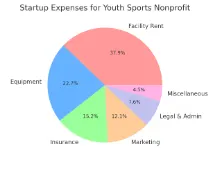
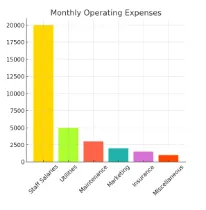
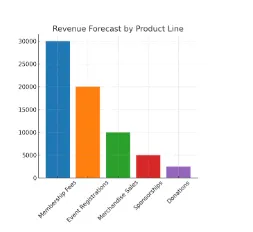
Map out your funding sources, expenses, cash flow, and projections, including:
● Income sources (donations, grants, fundraising)
● Expense categories (programs, admin, marketing)
● Cash flow analysis and projections (3–5 years)
● Contingency plans for funding shortfalls
Develop a fundraising and donor campaign, including:
● Donor target list (individuals, companies, foundations)
● Timeline for outreach and requests
● Compelling pitch highlighting your impact and donor benefits
Detail how you will spread awareness and secure support:
● Volunteer and sponsor recruitment from community organizations
● Social media, email marketing, and traditional PR campaigns
● Metrics to measure success (social followers, sponsorship dollars)
Explain your plans to evaluate impact and performance:
● Key performance indicators (KPIs) aligned to your goals
● Surveys to measure stakeholder and participant experience
● Financial audits and controls to monitor funding sources/uses
Address potential issues and risks, including:
● Financial mismanagement: audits, controls, insurance
● Health/safety: policies, waivers, insurance
● Legal issues: incorporation, liability coverage, compliance
● Environmental shifts: economic downturns, policy changes
● Outline strategies to mitigate risks.
Detail your organizational structure, human resources, and operations:
● Roles and responsibilities (staff, volunteers, board)
● Recruiting, onboarding, and retention plans
● Policies and procedures
● Budget administration and oversight
Need a Youth Sports Nonprofit Business Plan?
Create a custom business plan with financial projections and market research in minutes with ProAI’s business plan generator.
Do I need a youth sports nonprofit business plan if I’m just getting started?
Yes, a business plan is essential for launching any nonprofit organization. It will help you outline your mission, secure funding, and set strategic priorities to guide your work.
What if I’ve been operating for a while but don’t have a formal plan?
It’s never too late to develop a business plan. Doing so can help reinvigorate your mission, uncover new opportunities, address challenges, and attract new funding sources. Start by evaluating your current mission, programs, and financing to determine where a plan could add the most value.
How often should I review and update the plan?
You should review your business plan at least annually and make updates as needed. Some of the triggers for an update include:
● Changes in your mission, vision or target audience
● New programs or initiatives launched
● Shifts in your funding sources or financial position
● Competitive or market changes impacting your work
Do I need professional help to create the plan?
You can develop a business plan yourself using online guides and templates. However, for some organizations, hiring a consultant to facilitate the process can be helpful. A consultant can provide guidance on best practices, keep you accountable, and offer an objective perspective. They may also have specialized experience with youth sports nonprofits.
The decision comes down to your needs, budget, and in-house capabilities. Many resources are available if you choose to do it yourself. But don’t hesitate to seek help if needed. A strong business plan is well worth the investment.